
Bare dirt or torn plastic
If the ground under your house is bare, or the old plastic is ripped, bunched up or missing in spots, moisture from the soil moves straight up toward the floors above.
Cold floors, a musty smell or torn plastic in the crawl space? We seal a heavy liner over the ground and walls to keep moisture out.
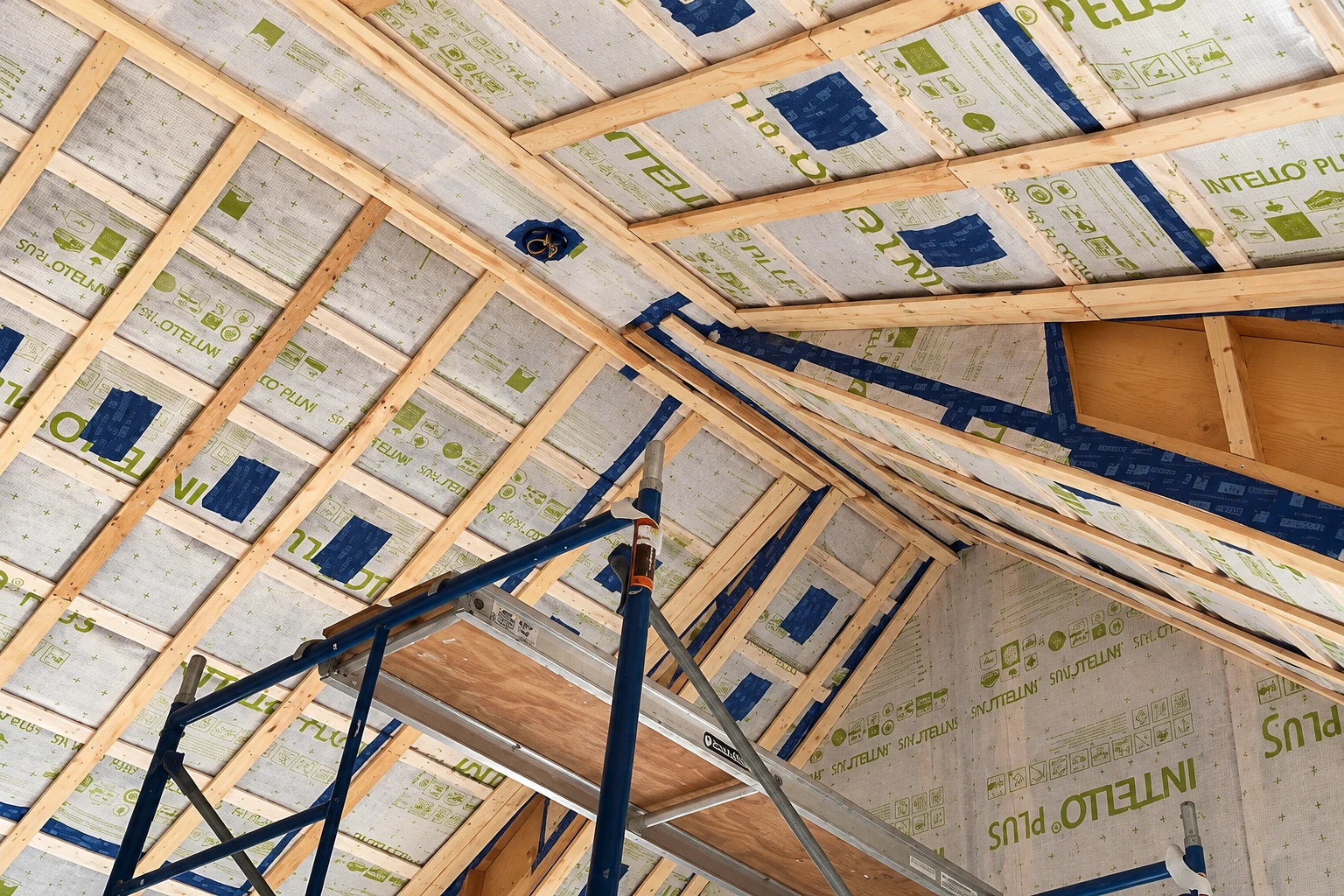
Vapor barrier installation in Bartlett, TN means laying heavy polyethylene plastic, a tough sheeting, over your crawl space floor and sealing it to the walls and piers, so water and water vapor stay out of the crawl space and soil gases have a harder time getting into your house.
Most calls start with a damp, musty crawl space or old plastic that has given out. We're based in Bartlett and work in cities across the Memphis area, including cities over the state lines in Mississippi and Arkansas. The price turns mostly on the size of the crawl space, how easy it is to get in and move around, what has to be fixed or cleared first, how tough a liner you need, and whether you want the liner alone or the whole space sealed with a dehumidifier. The schedule turns on the same things, especially on whether a repair or another trade has to come before the plastic, and the free estimate I write on site puts a figure on your house.
I come out to look at the crawl space and write the estimate, and I lead the crew that does the work, so nothing gets lost between the visit and the job.
If something under the house needs fixing first, we tell you and plan it ahead of the liner, because plastic laid over a leak or a damp spot only hides the problem.
I'd rather tell you a job isn't worth the money than sell you something your house doesn't need, so if the liner alone will do, that's what I'll recommend.
First I look the crawl space over with you and help you choose between a sealed liner on the ground by itself and sealing the whole crawl space with equipment to dry it, and I explain what each one asks of you afterward. A liner alone mostly asks that you keep it whole and keep water away from the foundation, while a sealed space has a dehumidifier or conditioned air that needs power and an occasional check. When ductwork or a furnace lives down there, I usually lean toward sealing the whole space, because the air around that equipment stays drier, and when the space is empty and the only trouble is damp ground, the liner alone is often enough. If you have a pest control service, I'll ask you to check with them before we start. Then our crew clears out debris and stored items, takes care of any repair that has to come first, rolls the plastic across the floor, overlaps and tapes the seams, and runs it up the walls and piers, where we fasten and seal it so the ground is covered edge to edge.
A crawl space is only half of how a house handles air. Many homes that need a new barrier also leak air out the top, so we often look at attic air sealing, which closes the gaps around lights, pipes and the hatch, during the same visit. In an older house, retrofit insulation adds insulation to walls and floors that are already finished, and it's best done once the crawl space below is dry.
If the ground under your house is bare, or the old plastic is ripped, bunched up or missing in spots, moisture from the soil moves straight up toward the floors above.
A musty smell inside or floors that feel cold and clammy often start in a damp crawl space, so it's worth a look underneath before anyone blames the heating or the insulation upstairs.
The ground below should be covered and dry before new insulation goes under your floors, because insulation over damp ground takes on moisture and stops doing much of its job.
Landlords and property managers call us about crawl spaces in their rentals because they want a plain answer on what the house needs and work that leaves the space tidy.
Send the form and we'll reply within one business day to set a time for me to come out, look at the crawl space and write your free estimate, with no obligation.
Let us know whether the crawl space opens from outside or through a hatch in the floor, so I come ready to get in and look around properly.
If you've seen water or mud down there, please say so, because that repair gets planned ahead of the liner and it changes what the estimate covers.
Ductwork, a furnace or stored boxes all change how the job is laid out, and anything stored will usually need to come out so the liner can cover the whole floor.
These photos show liner colors, wall heights and sealed seams you might weigh for your crawl space, as examples to talk through on site.
Here are the questions I hear most about crawl space liners, from cost and repairs to permits, answered as I would on site.
Full crawl space encapsulation with a vapor barrier and a dehumidifier usually costs about $4,500 to $8,000 per home in Tennessee. That range is for the whole sealed job, not a basic liner on the floor, and a liner alone usually costs less. I'll give you a figure for your own house at the free estimate once I've seen the space.
Yes, and federal building guidance says standing water, mold, rotten wood or hazardous materials should be dealt with before the barrier is replaced, with that repair planned as the first step. In vented crawl spaces, most of the water runs in through poor grading, missing drainage around the foundation or how the yard is watered, so I look outside the house as well as under it.
Sometimes it can. Federal guidance says an existing 6-mil barrier with open seams or loose edges may be repairable with tape and fasteners, but covering it with a new sealed layer is the more durable choice. Once I've seen your barrier, I'll tell you plainly which one it calls for.
Building scientists recommend insulated, sealed crawl spaces in humid climates, because warm outdoor air coming through the vents can condense on the cooler framing. A sealed crawl space pairs a liner on the floor and outer walls with a drying system such as a dehumidifier or conditioned air. The ground cover goes in either way, so it's the first layer whichever you choose.
Thicker, reinforced polyethylene holds up better than plain 6-mil sheeting, which needs protecting wherever someone crawls in to service equipment. If your ductwork or a furnace is down there, a tougher liner along that path is worth weighing. Whatever you pick, ask that it cover the whole floor, or as close as possible, and run up the walls, columns and footings.
Bartlett Code Enforcement reviews and permits projects in the city, and its list names heating and cooling, electrical work and siding but not vapor barriers, so call the office at 901-385-6425 to ask. We're licensed and insured, and we check with them before we start and handle any permit that's ours. Wiring or HVAC permits must be pulled by a licensed contractor, so we bring one in.
We're open from early morning until 11 PM every day, so call (901) 295-2959 or send the form whenever it suits you.