
Spray foam insulation
We spray foam where loose fill can't stop air, like the short walls around a bonus room or an attic full of ductwork. It costs more, so I'll say plainly when it's worth it.
Comfort Bartlett Insulation Company is an insulation contractor based in Bartlett, TN. In Germantown homes we add and replace insulation in attics, walls and crawl spaces, seal air leaks and lay vapor barriers under the house.
Germantown is mostly established neighborhoods of single-family homes, and the calls we get there sound a lot like the ones from Collierville and Arlington. An upstairs runs hot, nobody wants to sit in the room over the garage, the floors are cold over the crawl space and the power bill keeps climbing. Many of these houses are two stories with a good deal of attic, and over the years the insulation up there gets packed down, pushed aside during cable and service work or buried under stored boxes, so what was once an even layer is thin in places.
The price turns on the size of the attic or crawl space, how many inches are already up there and whether they're clean enough to keep, how many gaps need sealing, and whether you choose foam or loose fill. The schedule turns mostly on whether old material has to come out first and whether another trade is needed for wiring or ductwork. I'll give you your own figure after I've been up there, because in a lived-in house, what's already in the attic usually decides the job.
I check the attic or crawl space for leaks, damp spots, droppings and old wiring before I write a number, because new insulation laid over any of those only hides the problem.
We close the openings where air slips from your rooms into the attic before adding anything, because insulation slows heat but does little against a draft blowing straight through it.
Before work starts, we check with the city or county office about what your job calls for. If we find wiring, gas or heating and cooling work, a licensed contractor in that trade handles it.
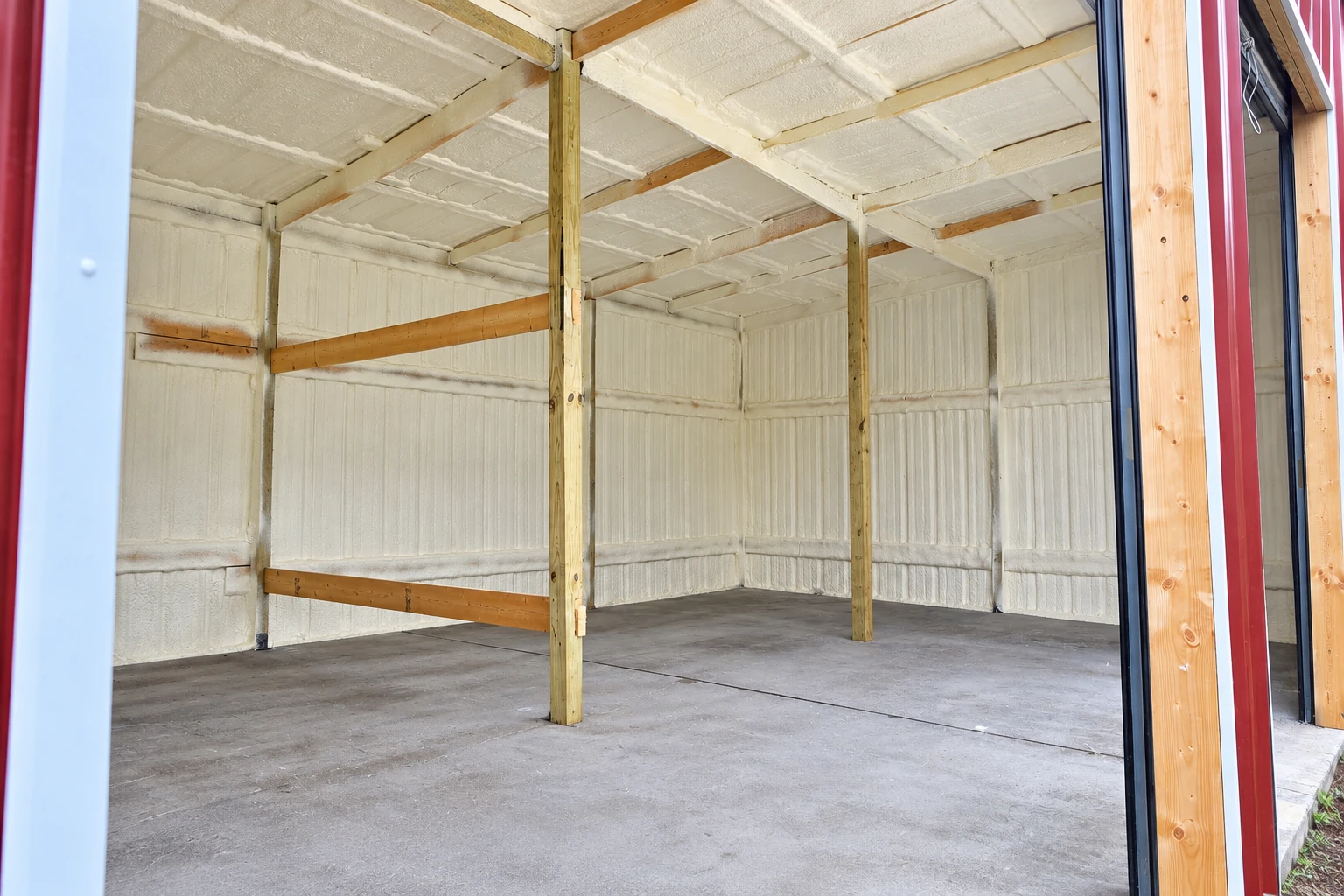
We spray foam where loose fill can't stop air, like the short walls around a bonus room or an attic full of ductwork. It costs more, so I'll say plainly when it's worth it.
Most attic calls start with an upstairs that runs hot. We measure the inches already up there, fill the thin spots at the edges and bring the whole attic floor up evenly.
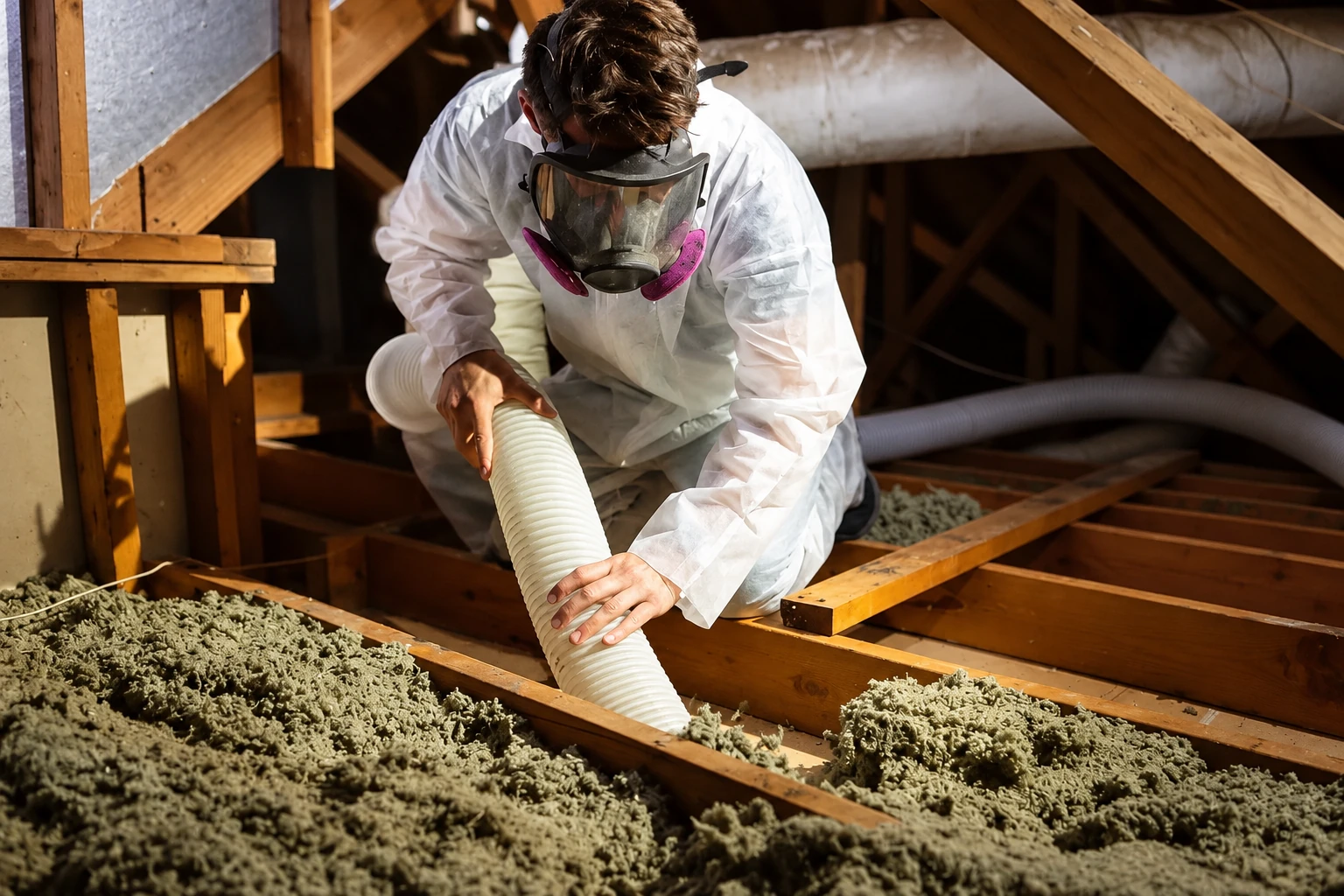
Blown-in insulation is loose fill sent through a hose, so it settles around joists and wiring where rolls leave gaps. We keep it full depth at the edges and clear of the eave vents.
When the whole house feels drafty, I go through the attic, walls and crawl space in one visit and tell you which part is worth doing first and which can wait.
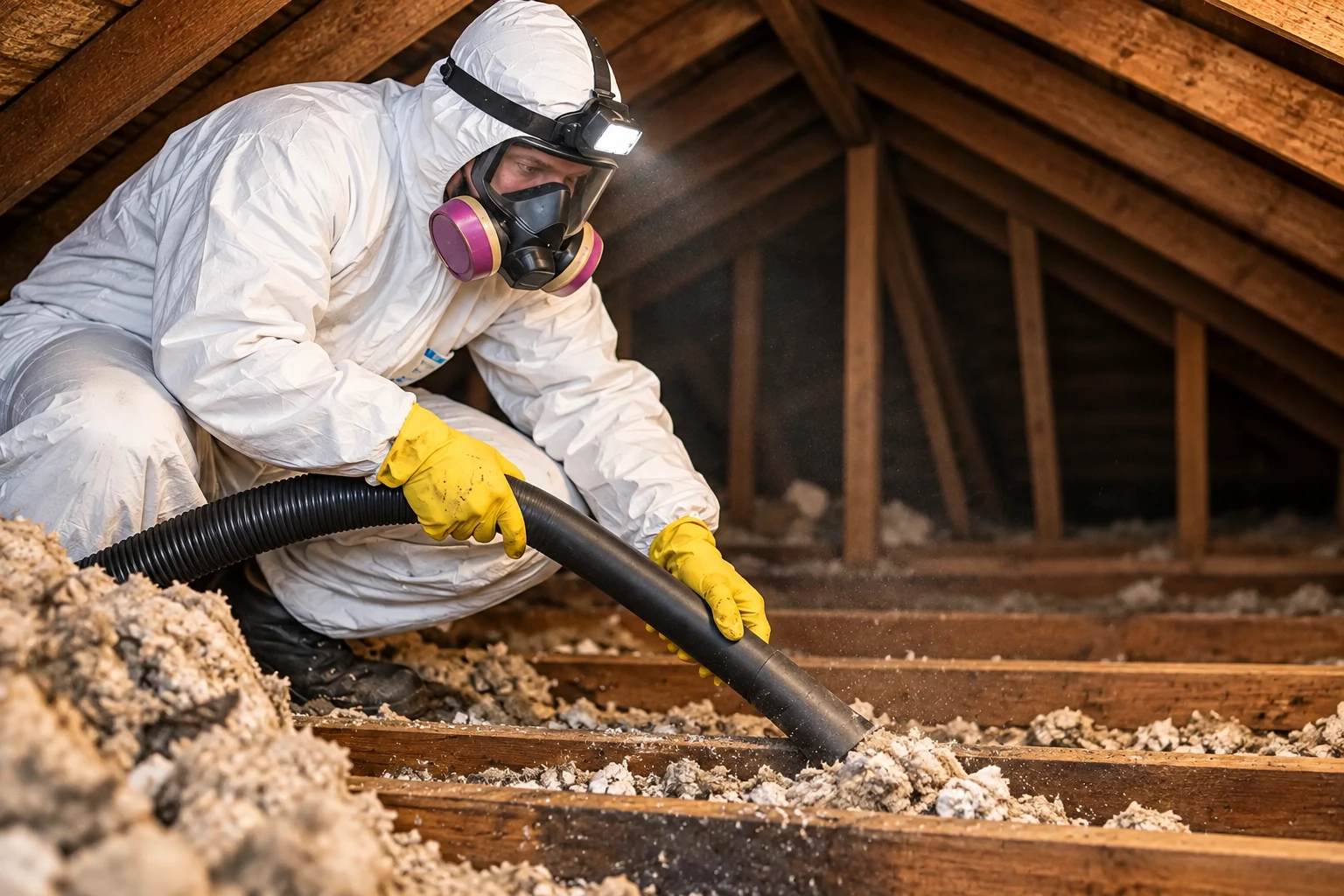
When old insulation has to go, we vacuum it out through a hose, bag it and haul it off, leaving a clean attic floor ready to seal and insulate again.
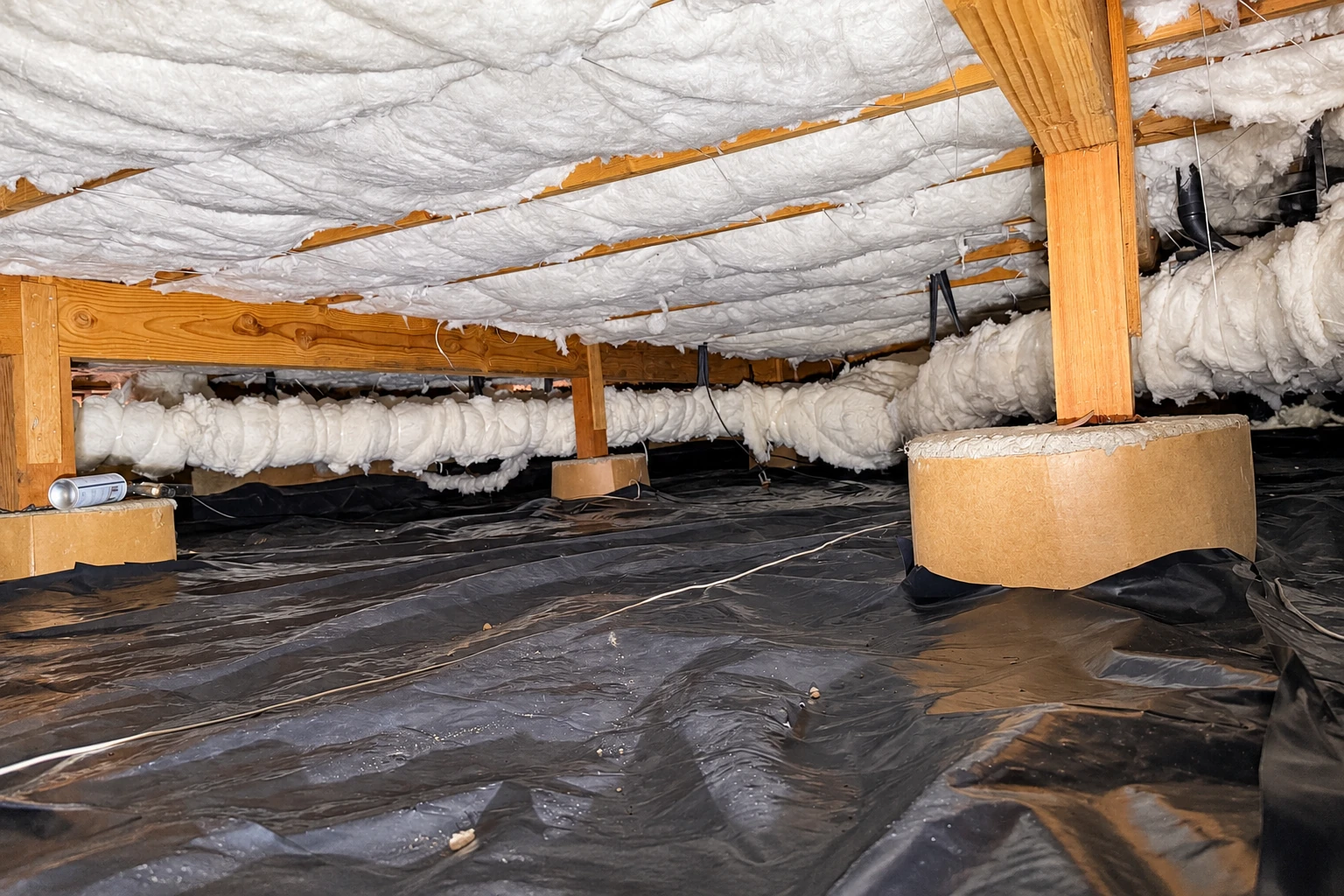
Cold floors usually point to the crawl space. We look for standing water and fallen insulation first, because new material under a damp floor won't do its job for long.
Some older exterior walls hold little or nothing. We fill them through small holes from outside or inside and patch them, so you aren't opening whole walls to get warmer rooms.
Drafts also come in around outlets, plumbing under sinks, window trim and the door to the garage, so we seal those spots through the house with foam and caulk.
In a basement we insulate the foundation walls and the top edge where the framing sits, and we check for damp first, since insulation over a wet wall traps the moisture.
Closed-cell foam is a dense foam that also blocks moisture, so we use it on crawl space walls and other spots where damp and air both get in. It's the costlier choice.
Open-cell foam is lighter and softer and fills odd shapes well, which suits the roofline over a vaulted ceiling or a bonus room. We keep it out of places that stay damp.
We also insulate small offices, shops and rental buildings, and we plan the work around your hours so tenants and customers are disturbed as little as possible.
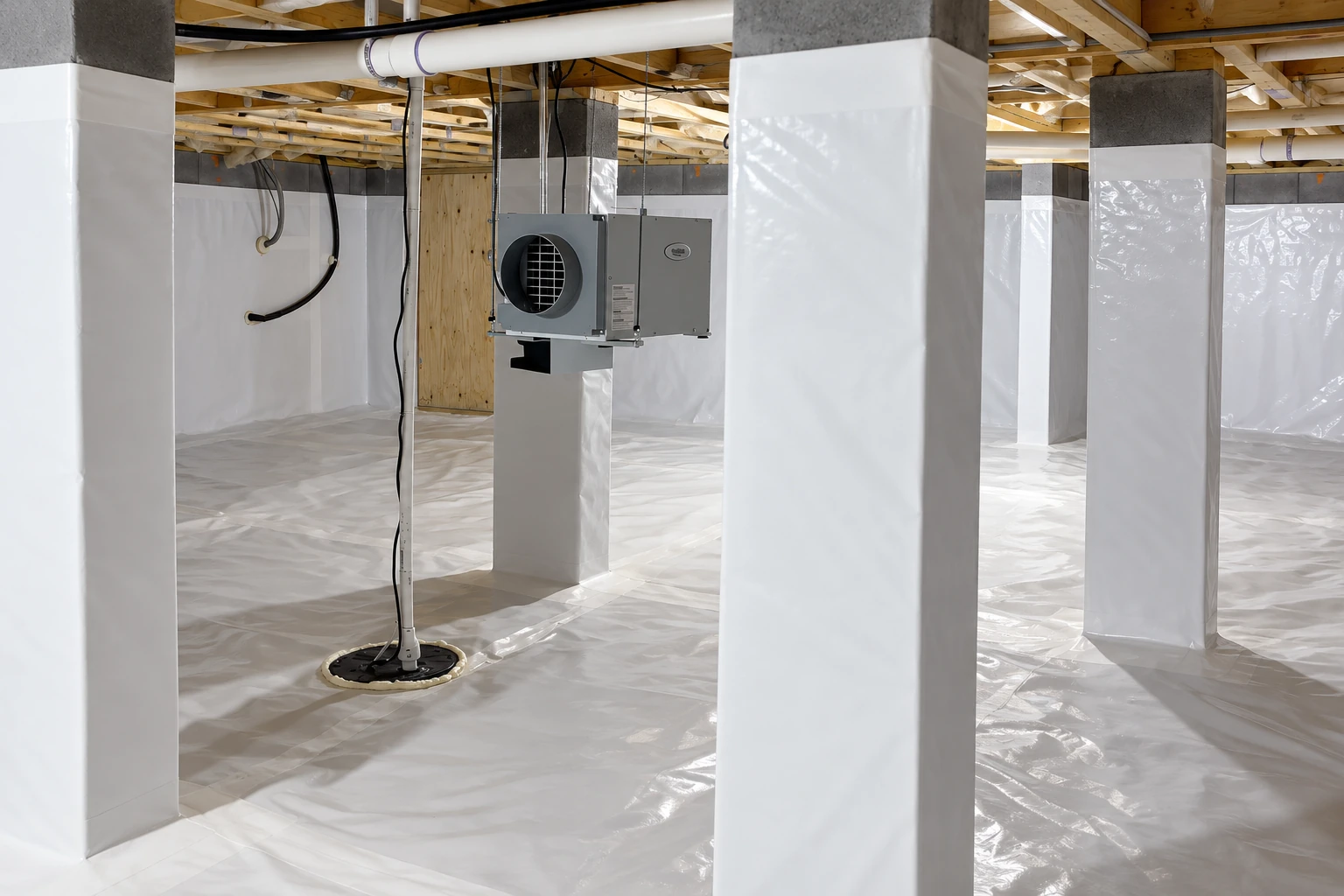
A vapor barrier is heavy plastic laid over the dirt under the house to keep ground moisture from rising into the floor. We lap and tape the seams and run it up the walls.
We also put vapor barriers behind new insulation in walls, basements and bonus rooms where the house calls for one, so moisture doesn't settle into the insulation and framing.
We pull back the old insulation and seal around can lights, pipes, wires and the hatch, then lay it back and add to it, so the new layer isn't fighting a draft.
We add insulation to finished houses without tearing them apart, working through the attic, small wall openings and the crawl space to reach the rooms that never feel right.
Send the form and we'll reply within one business day to set a time. I'll come out, look over your attic or crawl space and write your estimate on site, with no obligation.
I come out myself to look the job over, and I lead the crew that does the work, so what we agree on standing in your attic is what gets done.
If a job isn't worth the money for your house, I'll tell you so, rather than sell you foam or a top-up your attic doesn't need.
We treat every customer with courtesy, whether you're a homeowner or a landlord, and we keep the work tidy so the people living there can go about their day.
Here are plain answers to the permit, license and material questions Germantown homeowners usually ask before an insulation job.
Construction permits for Germantown projects come from the construction permit office that also serves Memphis, Arlington, Lakeland, Millington and unincorporated Shelby County, and it reviews plans and inspects new buildings and building parts. Its fee list names building, electrical, mechanical and plumbing permits, so that office is the place to ask about your job. Before we start, we check with it and handle any permit and inspection that's ours.
Usually, yes. Germantown has its own city government, and the Shelby County Clerk's Office says a business operating inside a city needs a city license separate from the county one. State guidance ties the city license to cities that have enacted the municipal business tax, for businesses with yearly receipts of $3,000 or more.
The Tennessee Board for Licensing Contractors handles new contractor licenses in the state. Each license type has its own requirements, which the board lists on its website, and applications are filed online through the state's licensing system. We're licensed and insured, and I'm glad to answer any question about it when I come out for the estimate.
For most attics, sealing the gaps and topping up blown-in insulation is the better value. Foam costs more and seals air while it insulates, so I recommend it mainly when the ductwork runs through the attic and needs that tighter seal around it. I'll tell you which one fits once I've seen your attic.
We're based in Bartlett and work in cities across the Memphis area, including some in Mississippi and Arkansas. If your city isn't listed here, call or send the form and ask.
We're open 6 AM to 11 PM weekdays and 7 AM to 11 PM weekends, so call (901) 295-2959 after work or send the form.