
Around the attic hatch
A hatch or pull-down stair is often a large gap in the ceiling, so we weatherstrip the edges and insulate the lid to stop it pulling air from the rooms below.
Hot upstairs rooms or drafts at the outlets usually mean hidden gaps. We find and seal them, starting with the ones buried in your attic.
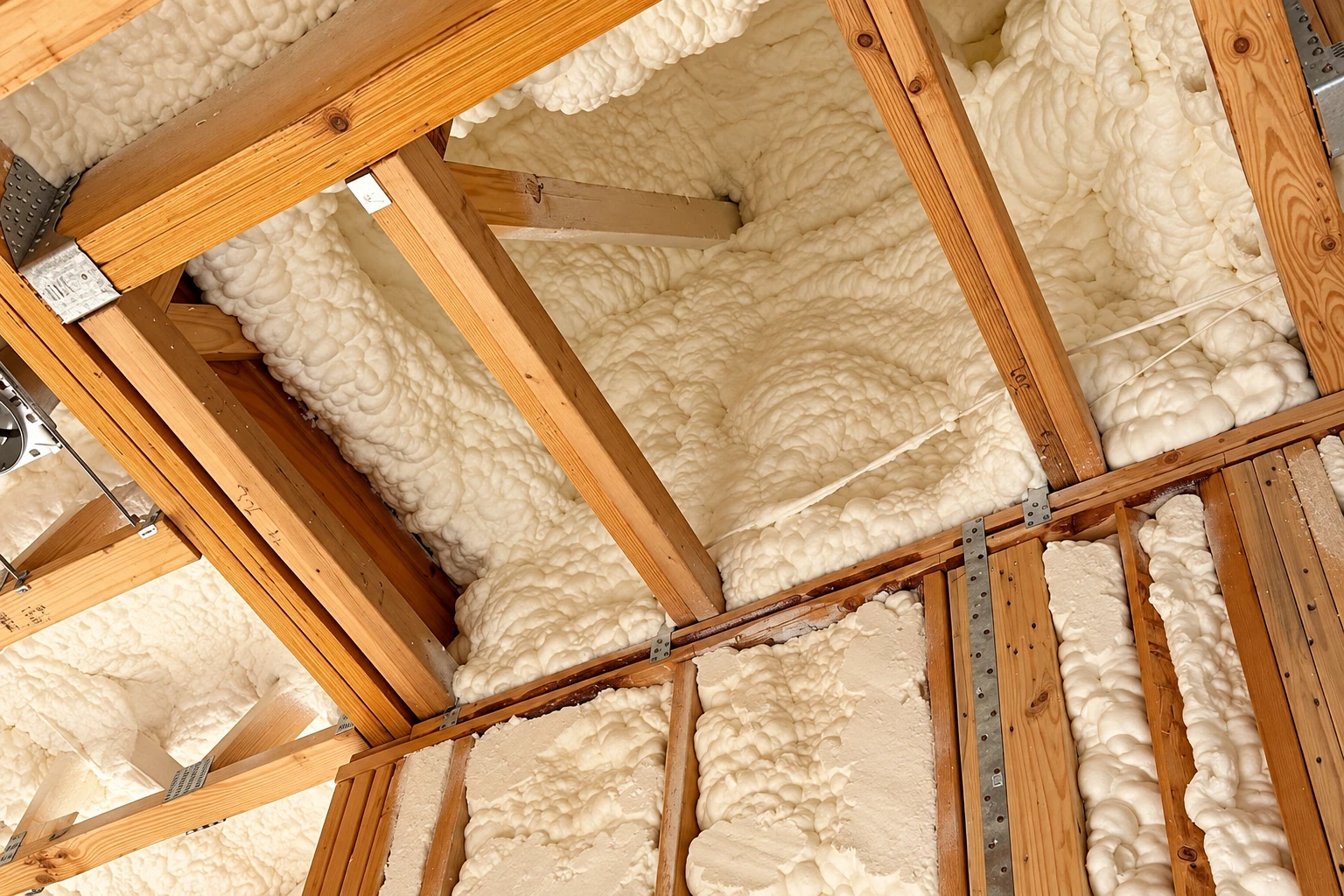
Air sealing services in Bartlett, TN close the cracks and gaps that let outside air into your house, using caulk, spray foam or other sealant, so your heating and cooling aren't working against drafts.
If the upstairs runs hot, the floors stay cold or you can feel a draft at an outlet, air is usually slipping through gaps you can't see, and most of the big ones are in the attic under the insulation. The price turns on how many of those gaps there are, how much insulation has to be moved to reach them, and whether something like old wiring or a roof leak has to be handled first. The schedule depends on the same things and on whether another trade or a permit check has to come before us, so the estimate is where you'll get your own figure.
I come out to look at your house and write the estimate, and I lead the crew that does the work, so the person who saw the problem is the one fixing it.
You'll get a direct answer to your question before I suggest anything, and I'd rather tell you a job isn't worth the money than sell you something your house doesn't need.
We're licensed and insured. Before starting this business in 2017, I spent years keeping up rental properties, which put me in more attics and crawl spaces around Bartlett than I can count.
I start by walking through the house with you and pointing out which gaps you can caulk yourself and which ones need us, and those are mostly the ones buried under the insulation in your attic. Before we tighten anything, I look at how the house gets its fresh air, because closing it up comes second to that. Then I go over the attic for old knob and tube wiring, vermiculite insulation, bathroom fans that blow into the attic instead of outside, and roof leaks, since any one of those has to be dealt with before sealing, and we bring in a licensed contractor for wiring, gas or heating and cooling work. Once the attic is clear, our crew seals each gap with caulk or spray foam, puts the insulation back and checks that the eave vents are still open so the attic can breathe.
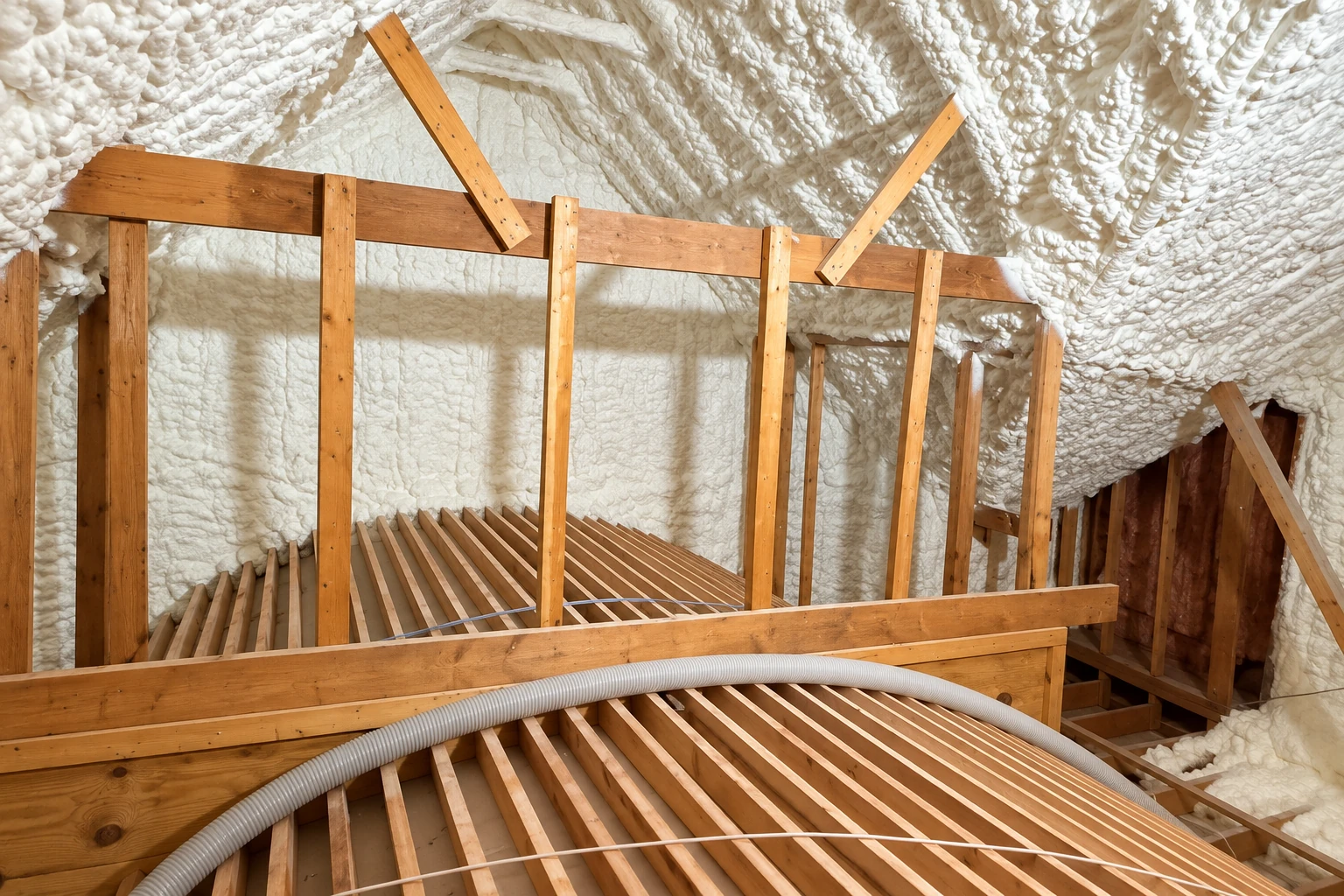
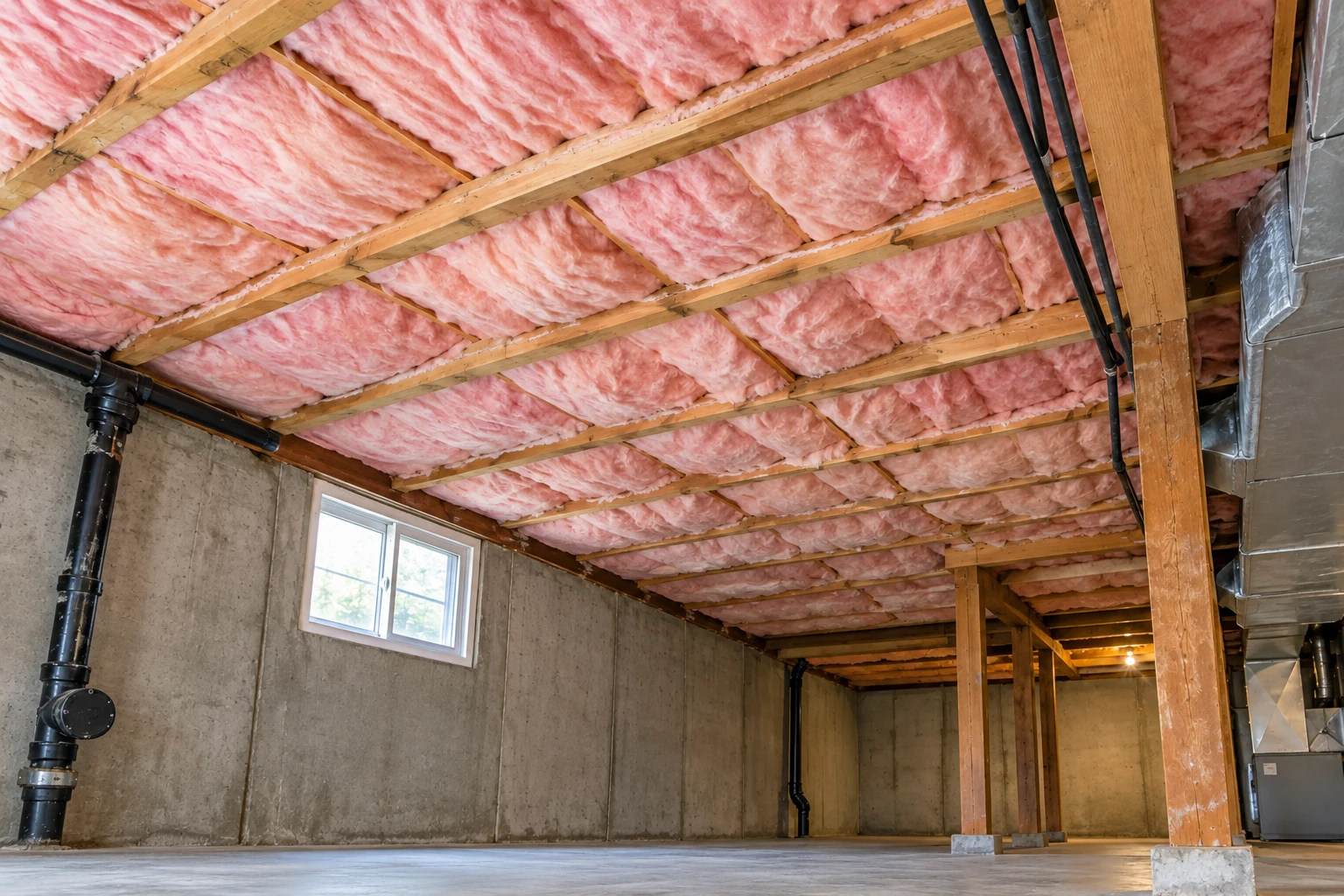
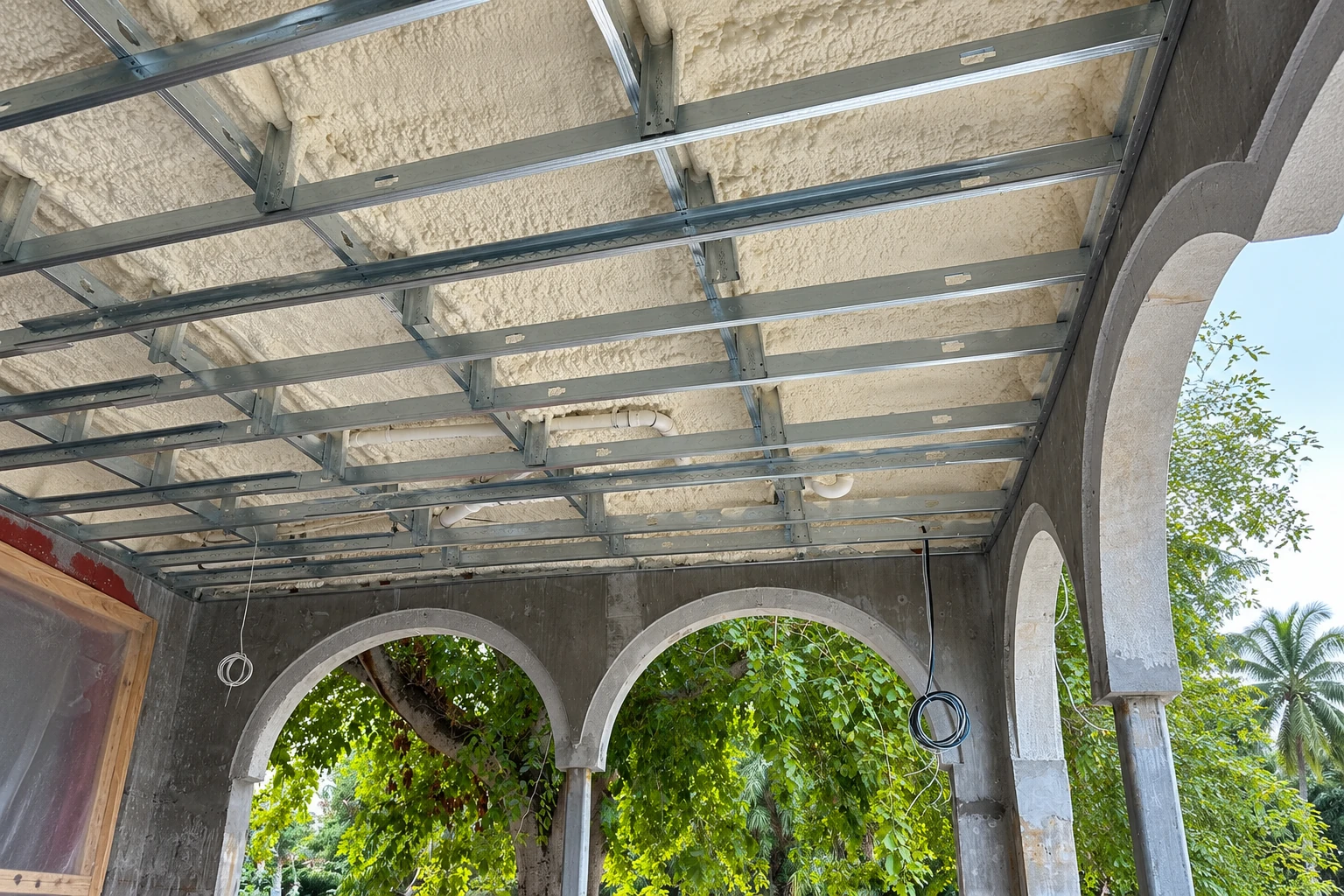
Air sealing often ties into other work. If drafts are coming up from below, we can seal the rim, the band of framing that sits on the foundation, as part of basement insulation. If your ductwork runs through the attic, closed-cell foam insulation, a dense foam that also blocks moisture, seals and insulates in one coat. It costs more, though, and for most attics sealing the gaps and topping up the loose fill is the better buy, so I'll tell you plainly which one your house calls for.
A hatch or pull-down stair is often a large gap in the ceiling, so we weatherstrip the edges and insulate the lid to stop it pulling air from the rooms below.
Recessed lights, flue pipes and duct boots all pass through the ceiling with gaps around them. We seal each one with a material suited to it, keeping safe clearance around hot flue pipes.
The tops of the walls hide under the insulation, so we pull it back to seal those seams, then lay it back evenly instead of deep in the middle and thin at the edges.
When the room over the garage runs hot or has cold floors, the pipes, wires and ducts between the two usually leave open gaps, and sealing them keeps garage air out of the house.
Send the form and we'll reply within one business day to set a time. I'll come out, look over your attic and how the house gets fresh air, and write you a free estimate with no obligation.
Tell us roughly when the house was built, because the age tells me what I'm likely to find in the attic before I climb up there.
If you know whether it's loose fill or batts and about how many inches are up there, mention it, so I can plan how much has to be moved to reach the gaps.
Let us know about a gas furnace, water heater, stove or fireplace, because those shape how carefully we work out the house's fresh air before anything gets sealed.
These pictures show the kinds of hatch covers, sealed gaps and attic layouts we can talk through when we look at your house.
Here are plain answers to what people around Bartlett usually ask before they hire anyone to seal up their house.
Yes, for the obvious ones, such as gaps around door frames and around pipes that run through outside walls. The small leaks hidden under your attic insulation are another matter, and in a house you already live in, those are the ones to plan on getting help with. A tube of caulk handles the easy gaps well.
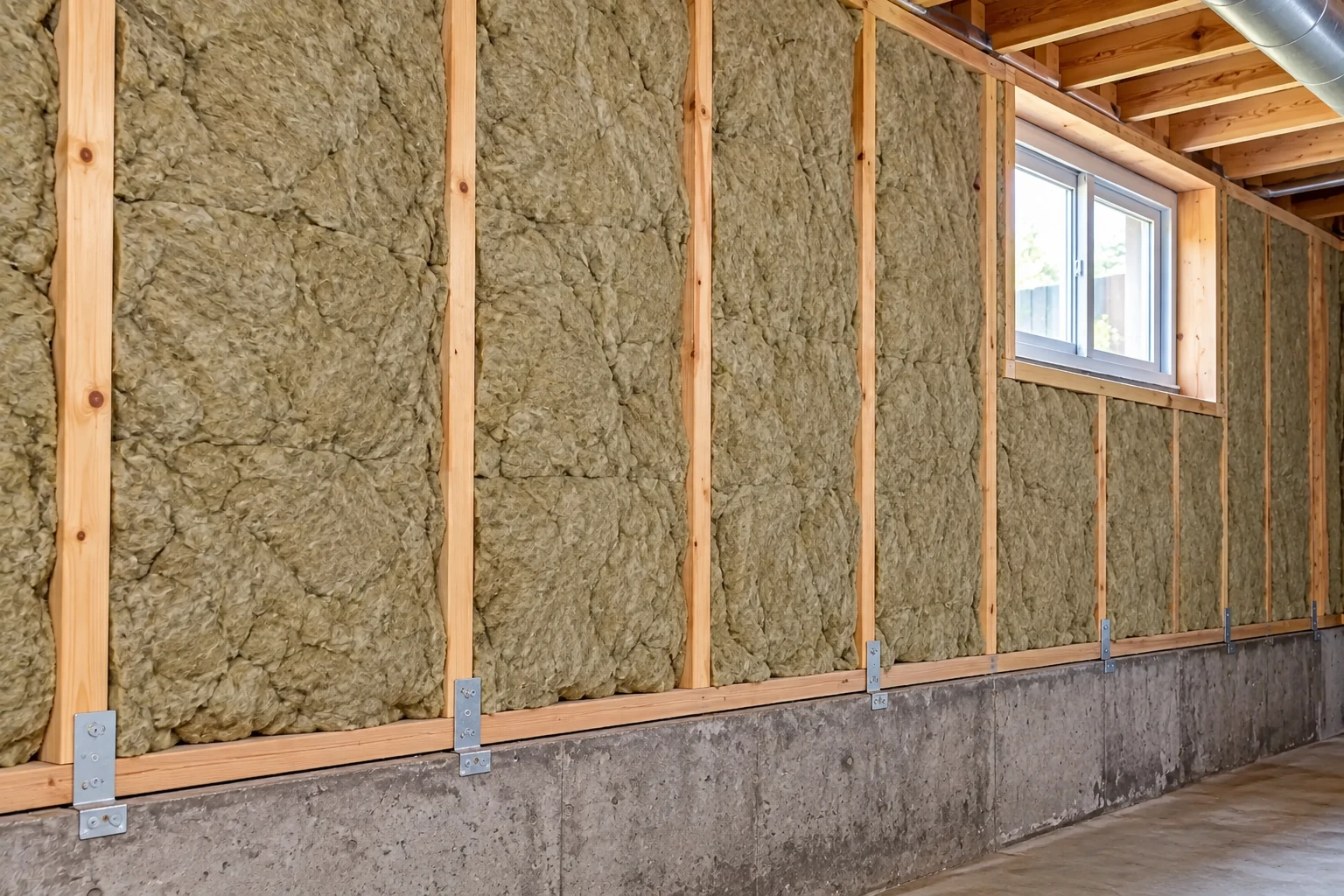
Yes, seal first. Blown-in insulation, the loose fill blown in through a hose, and batts both slow heat but leave air leaks open, so the gaps need caulk or foam before new insulation covers them. If you're adding insulation, plan the sealing as the first step of the same project, because reaching those gaps afterward means digging the new material back out.
It can, if nobody works out how much fresh air the house needs first, and that's why it's the first step. Without enough ventilation, extra moisture and harmful gases from a furnace, stove or fireplace can build up inside. That's why I ask about gas and other fuel-burning appliances before we seal anything.
Your power company may offer one, so it's worth asking. MLGW's Energy Doctor program offers a free in-home audit that checks for leaks around windows and doors, and a TVA EnergyRight Home Energy Evaluation covers air sealing, duct sealing, windows and insulation. TVA EnergyRight lists $300 in savings for air sealing the shell of a house done by a member of its Quality Contractor Network.
Bartlett Code Enforcement reviews and permits all projects in the city. Its permit list names HVAC, electrical, siding and window replacement but doesn't mention air sealing, so call 901-385-6425 to ask about your job. We check with the city before we start, handle any permit and inspection that's ours, and bring in a licensed contractor for wiring, gas or heating and cooling work.
Call (901) 295-2959 any day of the week from 7 AM to 11 PM, or send the form whenever it suits you.