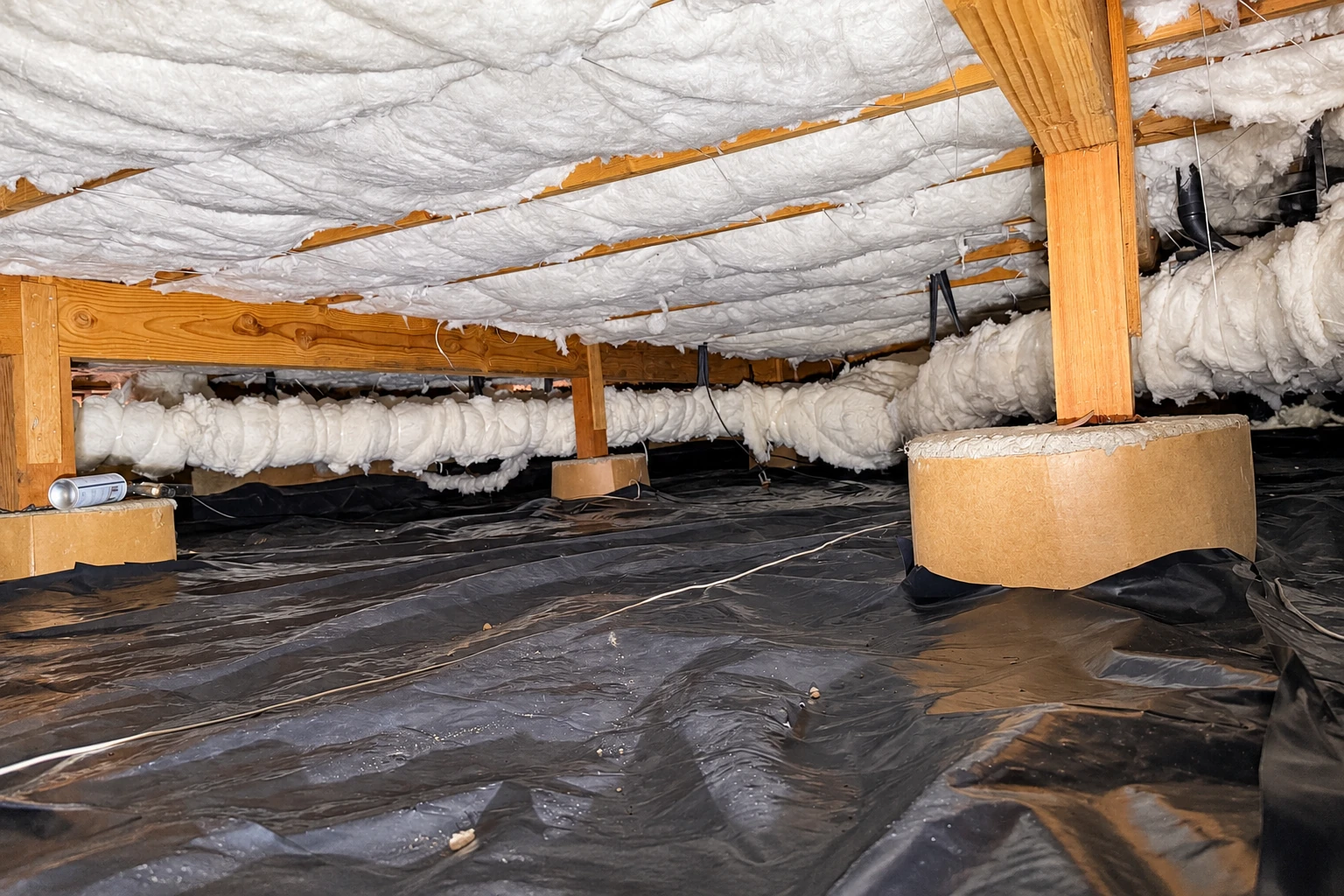
Spray foam insulation
Foam seals air and insulates in one pass, so we suggest it where ductwork runs through the attic or where the room over the garage stays hot all summer.
Comfort Bartlett Insulation Company is an insulation contractor based in Bartlett, TN. We insulate and air seal attics, walls and crawl spaces for homeowners, landlords and property managers in Millington.
Millington is a short drive from us, and we work there the same way we do in Bartlett and Germantown. Most calls come from homeowners and landlords with a hot upstairs, cold floors over the crawl space or a power bill that keeps climbing. If you're about to put money into a crawl space, the city's Office of Development & Infrastructure lists flood maps and flood risk resources that are worth checking first.
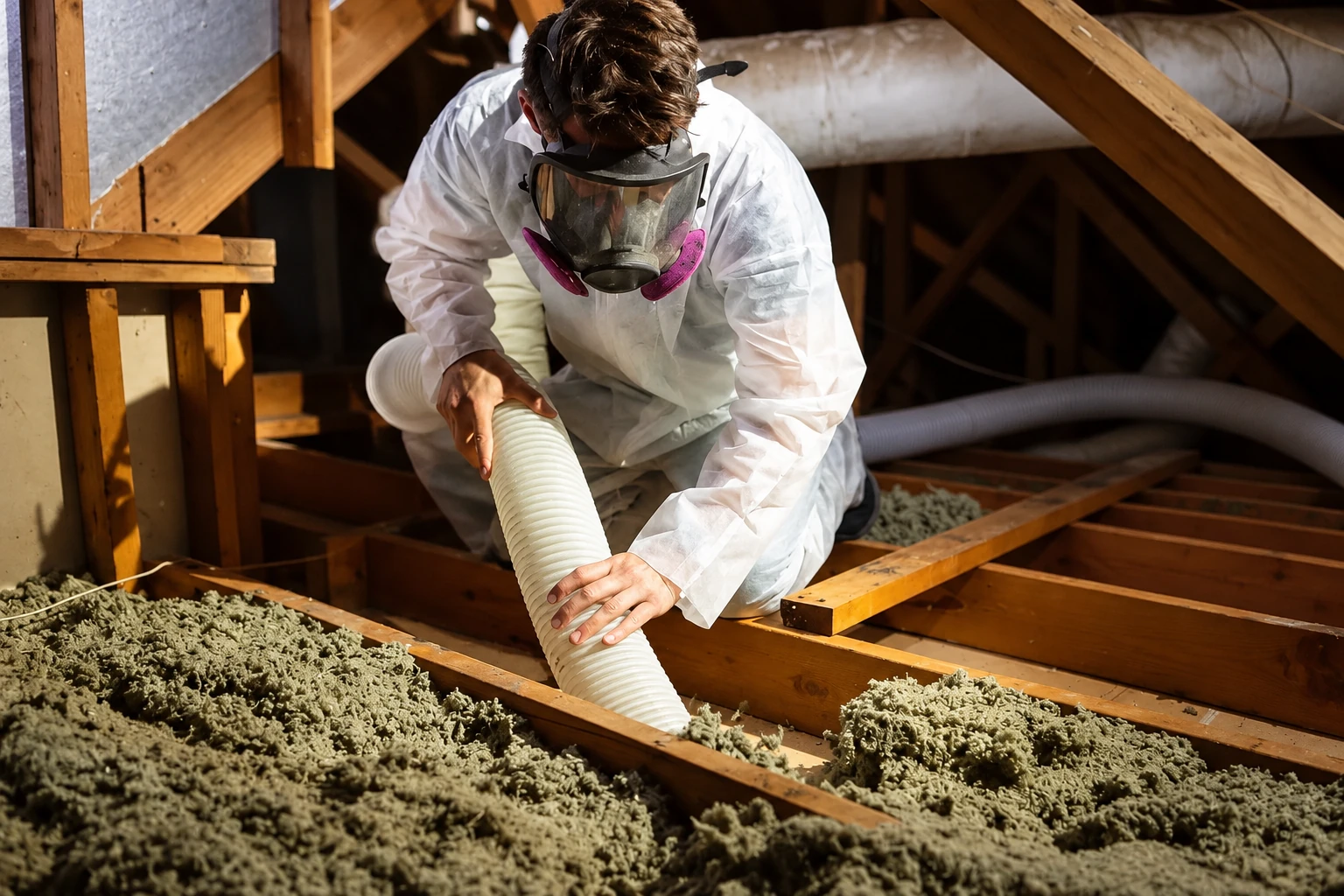
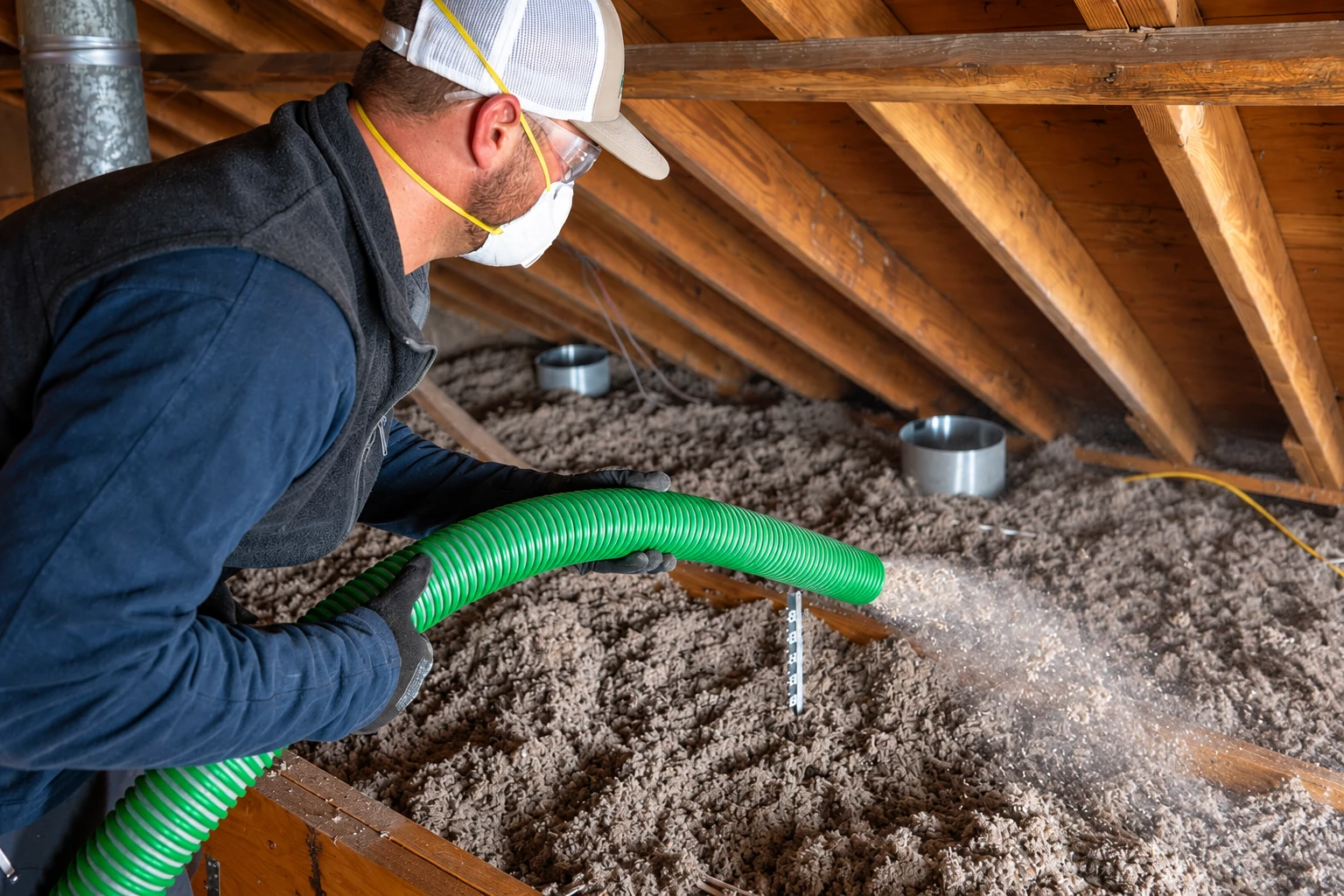
The price depends on how many inches are already in the attic, whether the old material is dry and clean or has to come out first, and how much air sealing, closing the gaps around can lights, pipes and the hatch, the house needs before anything new goes down. Foam costs more because it seals and insulates at once. I usually recommend sealing the gaps and topping up with blown-in, loose fill we blow through a hose, unless your ductwork runs through the attic. The schedule depends mostly on removal and on any wiring a licensed electrician has to fix first, and I put all of that in the estimate after I've been up there myself. In the older houses we see, the insulation has usually settled thin at the edges, so we clear the eave vents and build the edges back up rather than piling more in the middle.
Insulation laid over a roof leak, a damp spot or old wiring only hides the problem, so we look the house over first and deal with those before anything new goes in.
If your attic already has enough and the gaps are the real issue, I will tell you so, because I'd rather lose the sale than sell you something your house doesn't need.
We're licensed and insured, and we treat your home and your tenants with courtesy, so landlords and property managers get plain answers and a tidy attic when we leave.
Foam seals air and insulates in one pass, so we suggest it where ductwork runs through the attic or where the room over the garage stays hot all summer.
We measure the inches already up there, clear the eave vents and build the edges up as deep as the middle, since thin edges are where most attics fall short.
Loose fill tops up a settled attic without tearing anything out, and it's usually the best value for the money once the gaps underneath are sealed.
When the whole house feels drafty, I look at the attic, walls and crawl space together so your money goes where the heat is actually getting out.
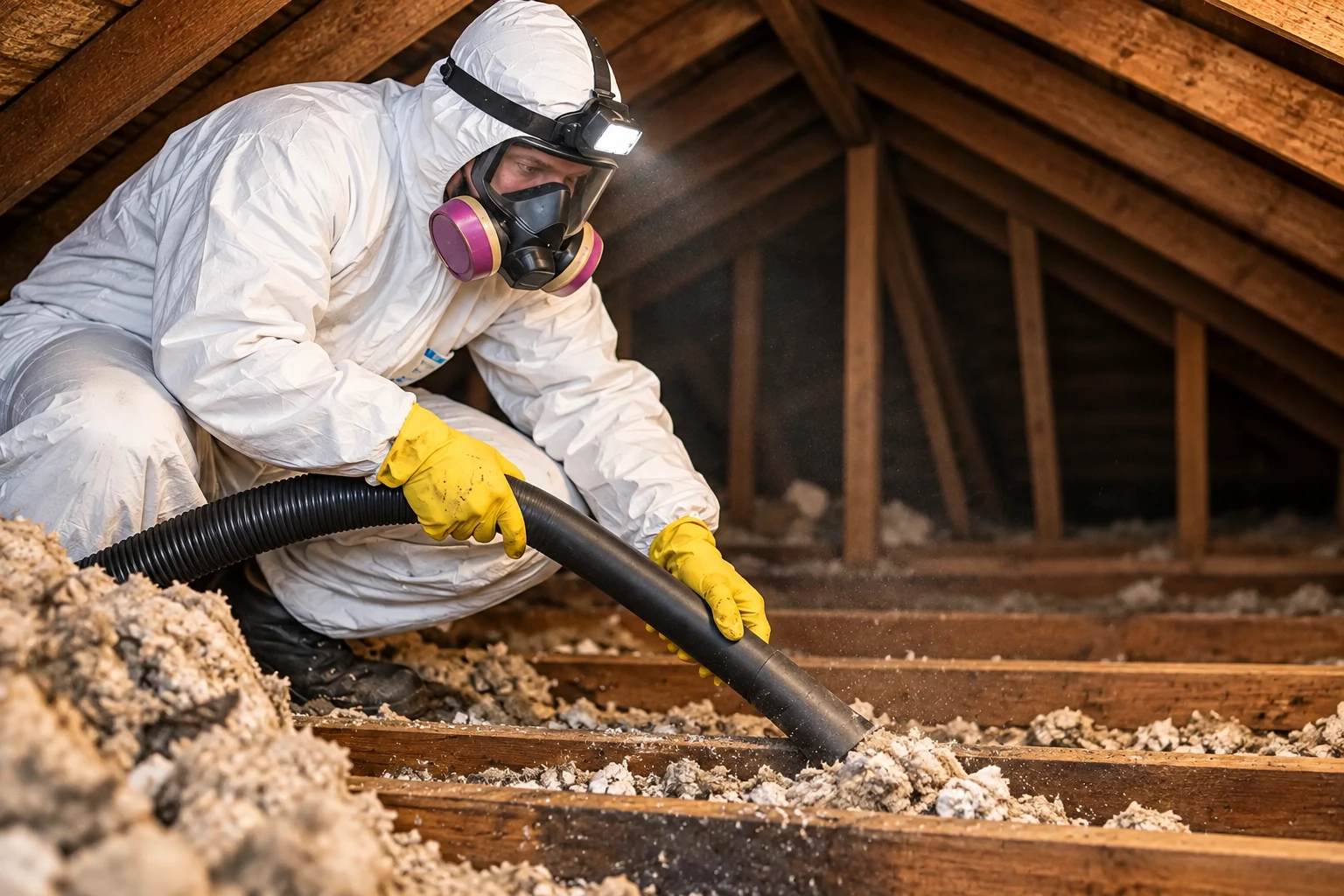
Old insulation that's been soaked or is full of droppings comes out first, because fresh material laid over it keeps the smell and the moisture in your house.
Cold floors usually trace back to the crawl space, so we check the ground below for standing water before we insulate the floor above it.
Older walls that were left empty or only half filled can be insulated through small holes that we patch afterward, so the whole wall doesn't have to be opened.
We find and close drafts through the whole house, around plumbing holes, the rim joist and the crawl space, so cold air stops before it reaches your floors.
Basement walls stay cool and can sweat, so we pick a material that won't hold moisture against the concrete and seal the rim where the floor framing sits.
Closed-cell foam, a dense foam that blocks moisture, suits crawl space walls and rim joists where damp air is the problem, though it costs more than the other options.
Open-cell foam is lighter and softer and fills odd framing well, so it suits rooflines and walls that stay dry, and it costs less than closed-cell.
We insulate offices, shops and rental buildings, working around business hours and keeping walkways clear so your tenants and customers can carry on with their day.
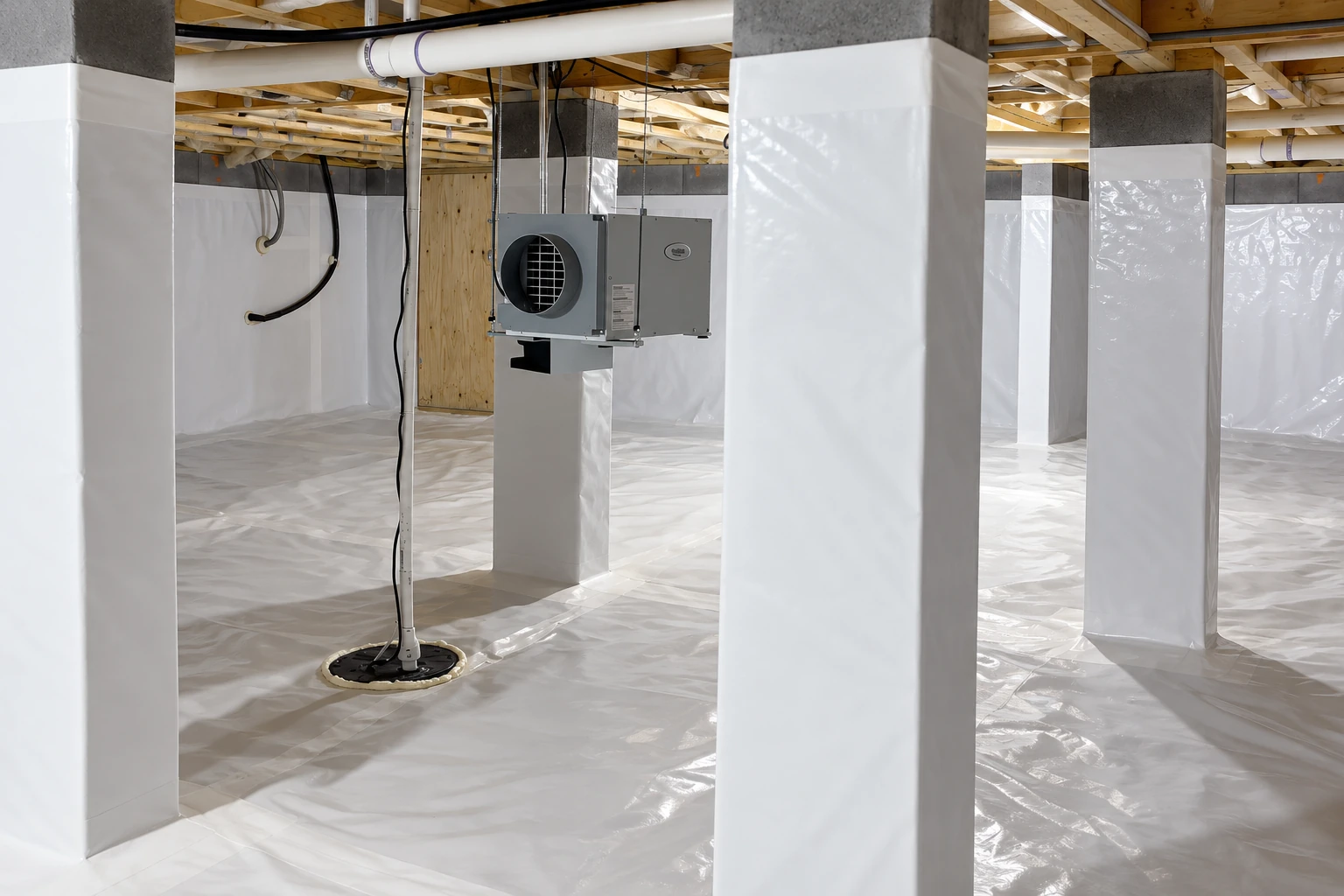
A heavy plastic sheet over the dirt keeps ground moisture out of the crawl space air, and we seal the seams and run it up the walls so it stays put.
We put the vapor barrier on the correct side of the insulation for each space, because one in the wrong place traps moisture inside the wall or floor.
Before new insulation goes down, we seal the attic floor around the hatch, the plumbing stack and the wiring holes, so conditioned air stays in the rooms below.
For an older house or a rental between tenants, we add to what's already there without a remodel, starting with whatever gives the most comfort for the money.
Send the form and we'll reply within one business day to set a time. I'll come to your Millington house, look over the attic and crawl space, and write the estimate, with no obligation to go ahead.
The person who climbs into your attic for the estimate is me, the owner, and I lead the crew that does the work, so nothing gets lost between the two.
The estimate is free and yours to keep, and if the honest answer is that your attic doesn't need much, you'll hear that plainly from me.
Mention a hot upstairs, a smell in the attic or droppings you've spotted, because those tell me whether removal belongs in the estimate before I arrive.
Here are the permit questions Millington homeowners and landlords usually raise before an insulation job, answered from the city's guidance and how we handle it.
Shelby County Code Enforcement handles permits and inspections for Millington. The city's permit FAQ says any alteration or repair to a building needs a permit, so before work starts we check with the county about what your job calls for and take care of any permit and inspection that's ours to handle. The county's number is (901) 222-8300.
Yes. In a residential zone, the city FAQ says the homeowner can apply for the building permit. In a commercial zone, a contractor licensed by the State of Tennessee must pull it. Plumbing, electrical, mechanical and gas piping permits go to licensed contractors in those trades, so when a job turns up wiring, gas or ductwork, we bring one in for that part.
The city FAQ says a project is deemed abandoned if no work has begun within 180 days of the permit being issued. That doesn't apply when the project has been pursued in good faith or an extension was granted. If you've pulled the permit yourself, please tell us the date it was issued so we can plan the start with that window in mind.
Besides Millington, these cities have their own page on our site. If yours isn't listed, call or send the form and ask, because we work in cities across the Memphis area.
Call (901) 295-2959 any day until 11 PM, or use the form, and we'll set a time to look at your attic.