Spray foam insulation
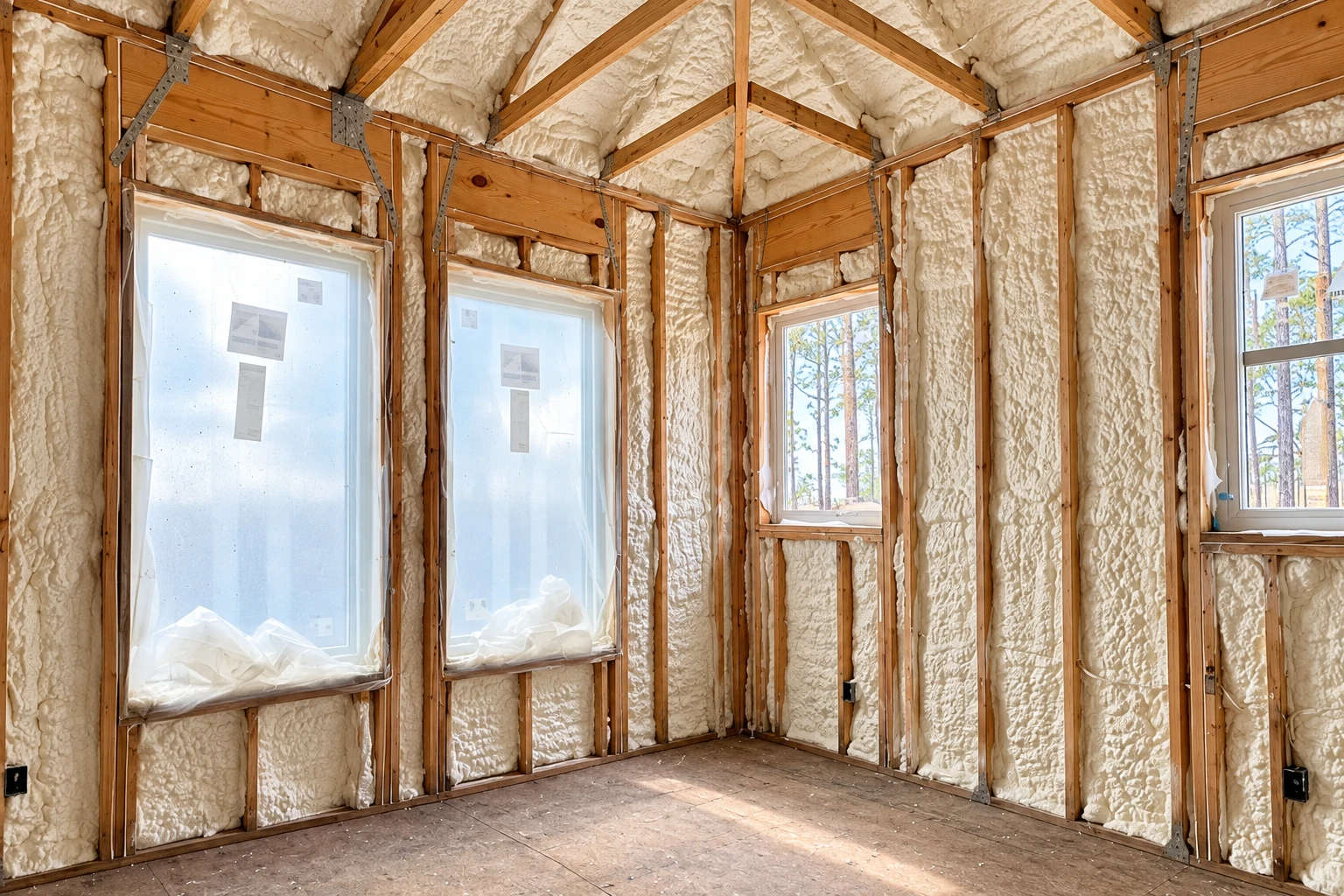
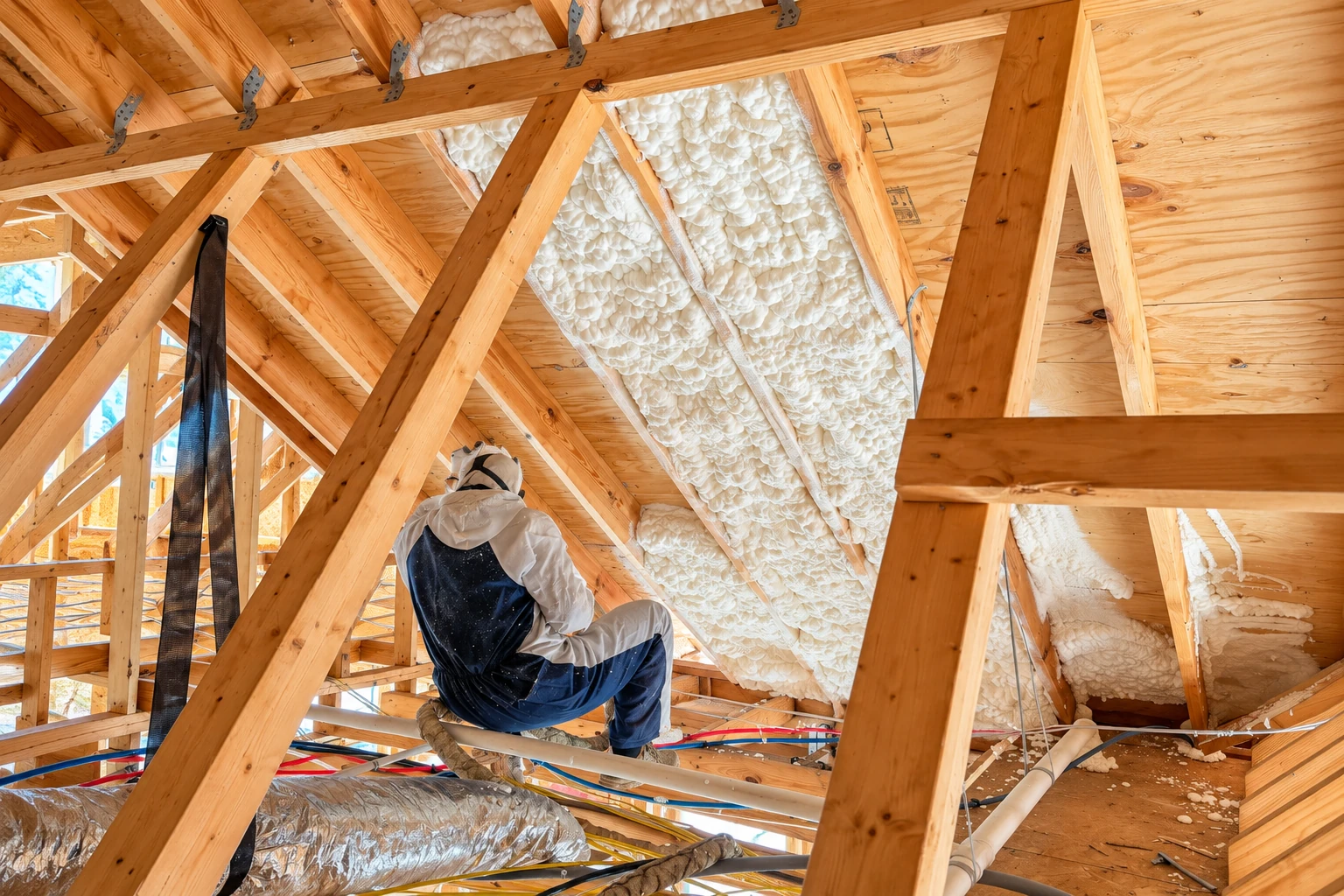
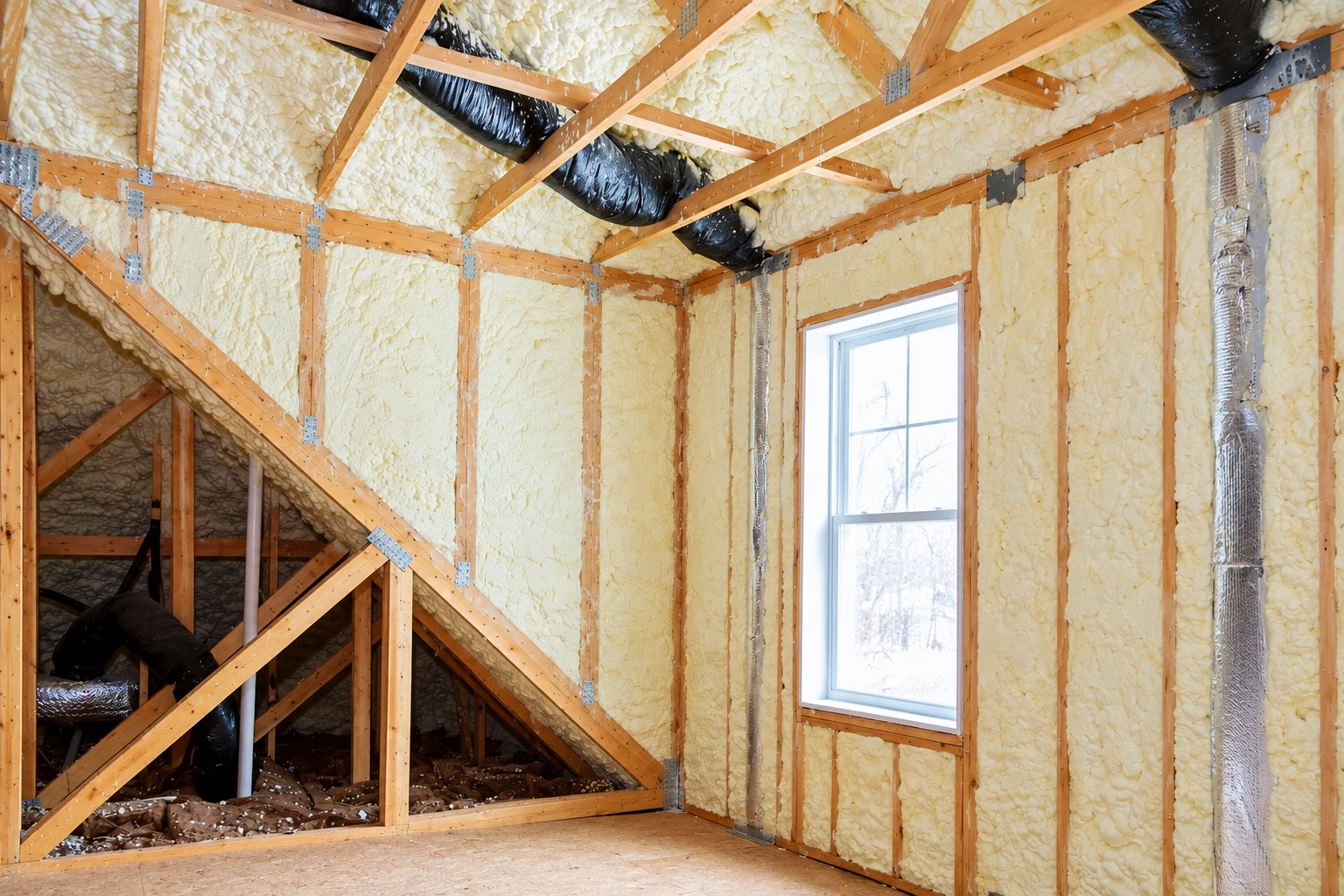
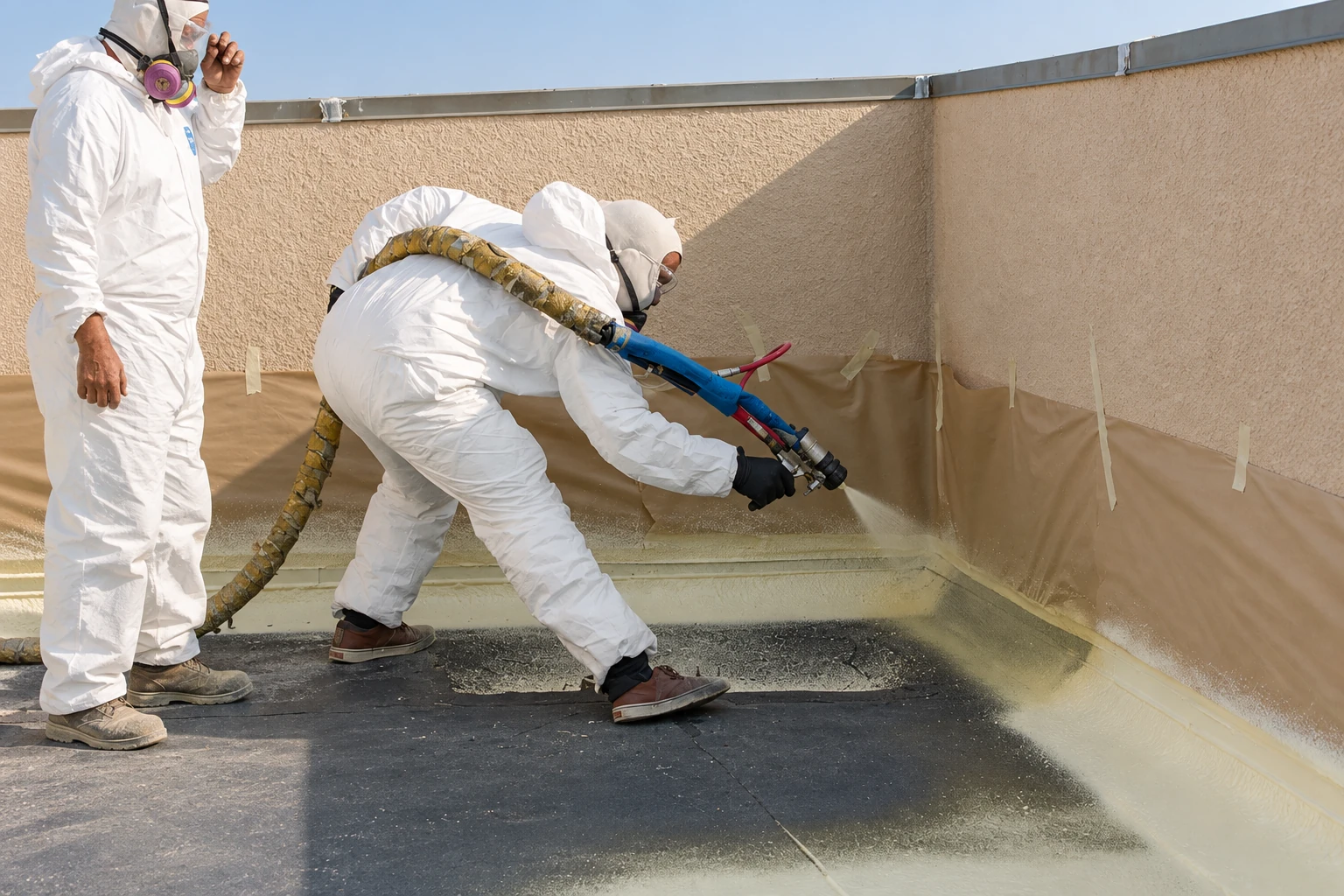
Spray foam seals air and insulates in one pass, which earns its higher cost when ductwork runs through the attic. Where it doesn't, I'll usually point you to sealing and loose fill instead.
Comfort Bartlett Insulation Company is an insulation contractor in Bartlett, TN, and we insulate attics, walls and crawl spaces across the river in West Memphis, AR, looking each house over before we add anything to it.
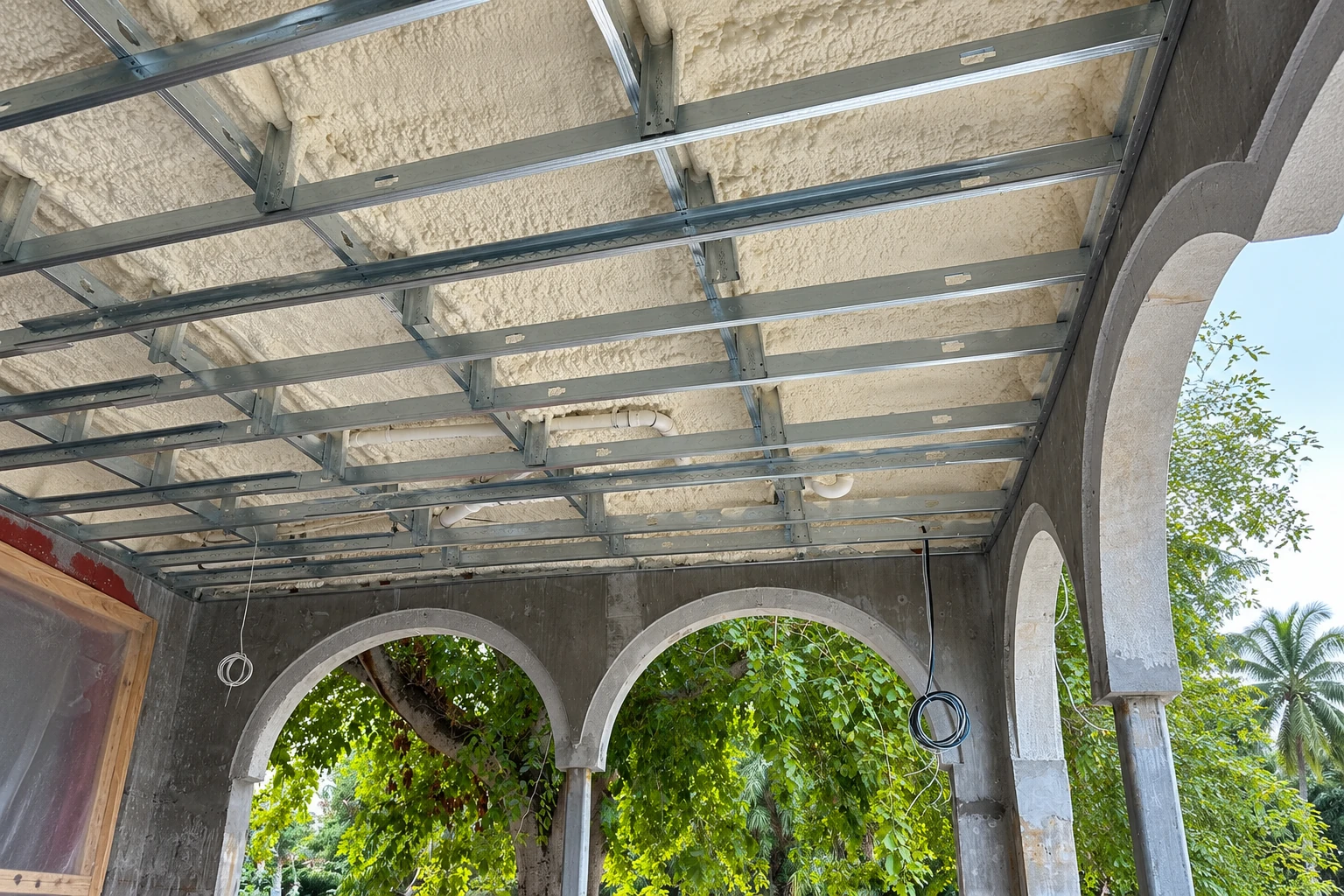
West Memphis sits where I-40 and I-55 meet, just across the Mississippi River from Memphis, so it's an easy drive from our base in Bartlett, and we do the same work next door in Marion. The City of West Memphis also charges certain trades an annual privilege license to do business inside city limits, on top of the state license I cover in the questions below.
Our calls here come from homeowners and from landlords and property managers with rentals, and the houses run from older brick ranches to newer subdivision homes. What moves the price is how much insulation is already up there and what shape it's in, whether old material has to come out first, how many gaps need sealing, and whether foam or loose fill suits the house. The schedule turns on the same things, plus any wiring or ductwork that needs another licensed trade first, and you'll get your own figures at the estimate. In older houses especially, the attic and crawl space usually tell us more than the rooms do, so that's where we start.
I come out to look at your house and write the estimate myself, and I lead the crew that does the work, so the person who made the plan is the one in your attic.
Insulation laid over a leak, a damp spot or old wiring only hides the trouble, so we deal with those first or bring in a licensed trade for that part.
If topping up your attic won't pay off, I'll tell you so, because I'd rather lose a sale than sell you something your house doesn't need.
Spray foam seals air and insulates in one pass, which earns its higher cost when ductwork runs through the attic. Where it doesn't, I'll usually point you to sealing and loose fill instead.
We check how many inches are already up there and whether they're dry and clean, then add depth evenly, keeping the edges as full as the middle and the eave vents clear.
Blown-in insulation, loose fill sent through a hose, settles well into the odd corners of older attics. We seal the gaps first so the new layer isn't fighting a draft.
When the whole house feels drafty or the power bill keeps climbing, we look at the attic, walls and crawl space together and tell you which one is worth fixing first.
Old insulation that got soaked or filled with droppings has to come out, because new material laid on top keeps the smell and the moisture right where they were.
Cold floors usually trace back to the crawl space. We look for standing water and a torn or loose vapor barrier before we insulate under the floor, since damp insulation does little good.
Exterior walls in older homes are often empty or thinly filled. We find out what's inside before we choose a method, so we don't open more wall than the job needs.
Air sealing means closing the gaps around pipes, wiring and vents before any insulation goes in. It's often the part of the job that does the most to stop drafts.
Where a house has a basement, we check the walls for dampness before anything else, since insulation fastened against a wet wall only traps the water behind it.
Closed-cell foam, a dense foam that blocks moisture, suits rim joists and crawl space walls where damp is the problem. It costs more, so we use it where that density earns its keep.
Open-cell foam is a softer foam suited to odd cavities like the roofline over a room above the garage. Before we spray, we tell you the re-entry time, when everyone can come back inside.
For small commercial buildings and rental property, we work around tenants and business hours where we can and leave the site tidy, because property managers need plain answers and a clean handover.
A vapor barrier, plastic sheeting laid over the crawl space dirt, slows ground moisture rising into the house. We lap and seal the seams so it stays put when someone crawls through.
Walls and ceilings sometimes need a vapor barrier too, and putting one on the wrong side can trap moisture in the framing, so we look the house over before deciding where it goes.
The hatch, the can lights and the plumbing openings are where attics leak most. We seal those first, so the air you pay to heat and cool stops slipping up past the insulation.
Retrofit work adds insulation to a finished house without tearing it apart, through small openings or from the attic. We pick the method once we've seen what's already in the walls.
Send the form or call (901) 295-2959, and we'll reply within one business day to set a visit. I'll come out, look the house over and write your estimate, free and with no obligation.
I go into the attic and crawl space before writing a figure, because your estimate should rest on what's actually there, not on a guess made from the driveway.
We're licensed and insured, and satisfaction is guaranteed, so you know where you stand before anyone climbs into your attic or under your floor.
We treat your home and your time with courtesy, on the phone and on site, and we answer your questions directly before suggesting anything.
Plain answers to what West Memphis homeowners and landlords ask us about permits, state licenses and insulating a house themselves.
In West Memphis, the city's Building Inspection office issues permits, reviews plans and does inspections. Residents can apply for certain permits through the Planning & Development Department's online portal. Before work starts, we check with the city about what your insulation job calls for and handle any permit and inspection that's ours, bringing in a licensed trade for wiring, gas or heating and cooling work.
In most cases, yes. Arkansas requires anyone who bids on or manages repair or renovation work at an existing single-family home to hold a home improvement license from the Residential Contractors Committee, unless exempt. Work costing $2,000 or less is exempt, though not a larger job split into smaller contracts. A Limited license covers projects under $50,000, labor and material included.
Yes. Arkansas exempts the owner of a single-family home acting as their own home improvement contractor on their own property. That exemption covers the state license, so permits are still a question for the city's Building Inspection office. If you'd like a second opinion first, I'll come look and tell you plainly whether anything up there should be fixed before you start.
These are the cities with their own page on our site. If your house is somewhere else around Memphis, in Tennessee, Mississippi or Arkansas, call or send the form and ask.
A soaked batt or a buried vent is easier to catch before new insulation covers it, so call (901) 295-2959 or send the form.