
Spray foam insulation
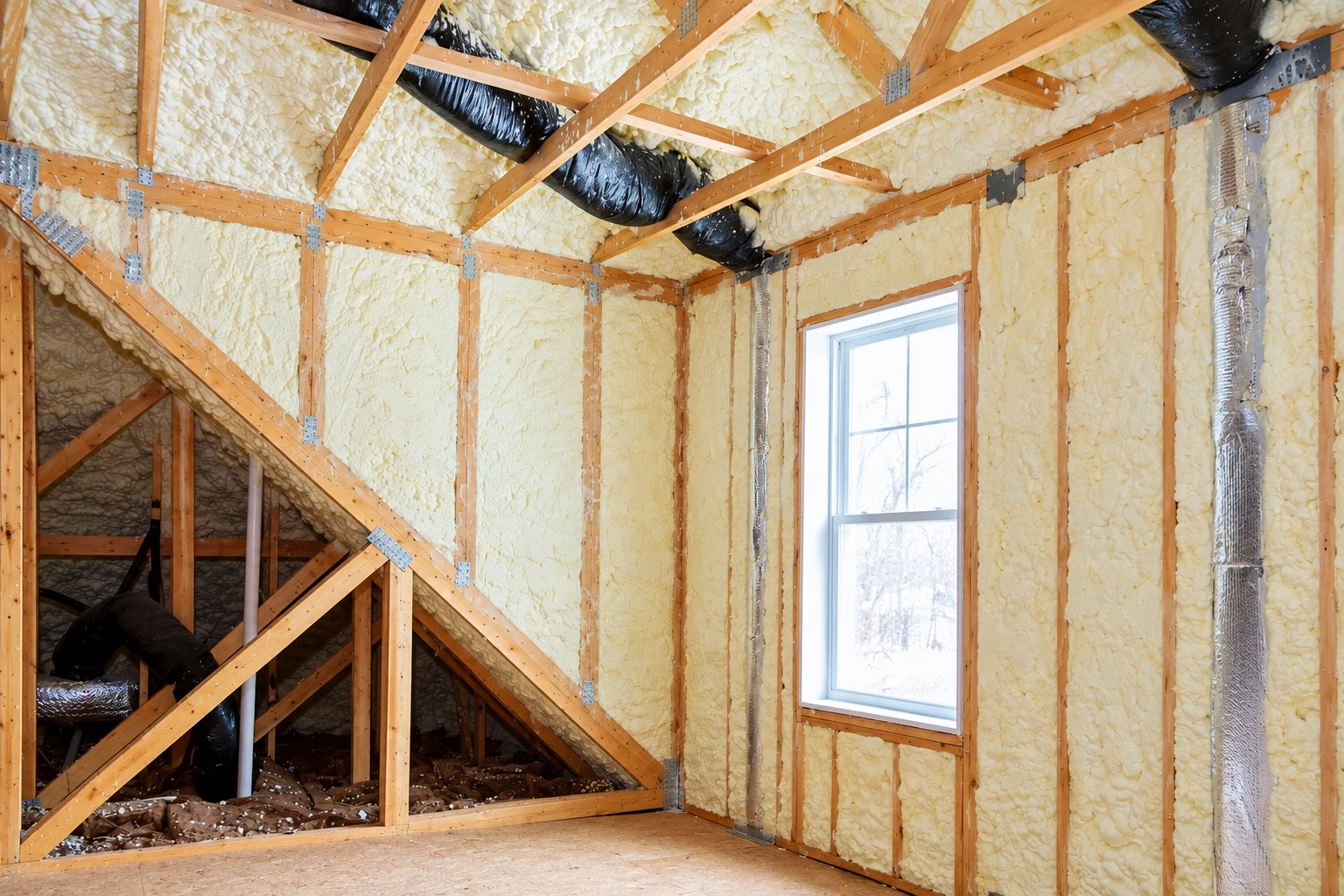
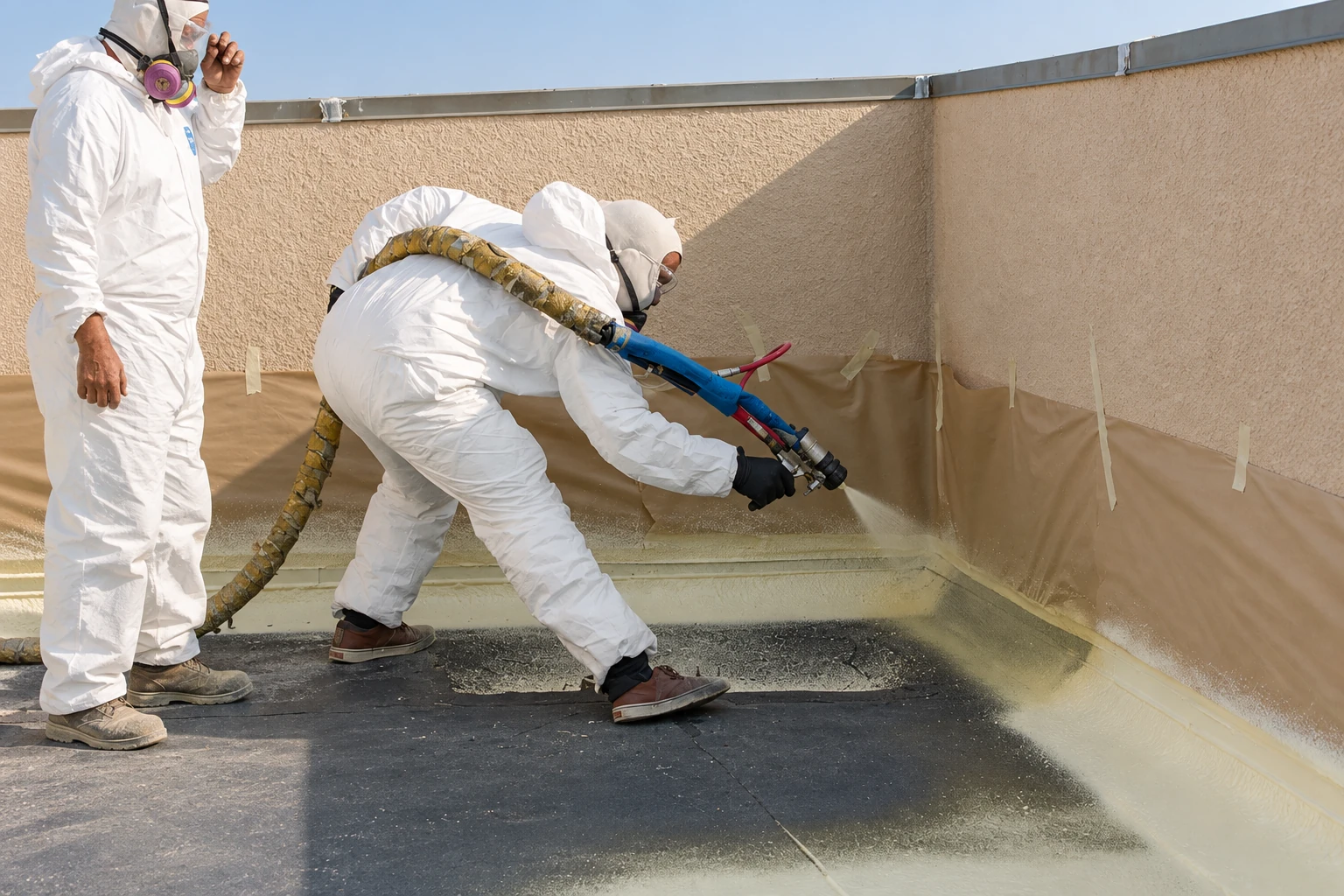
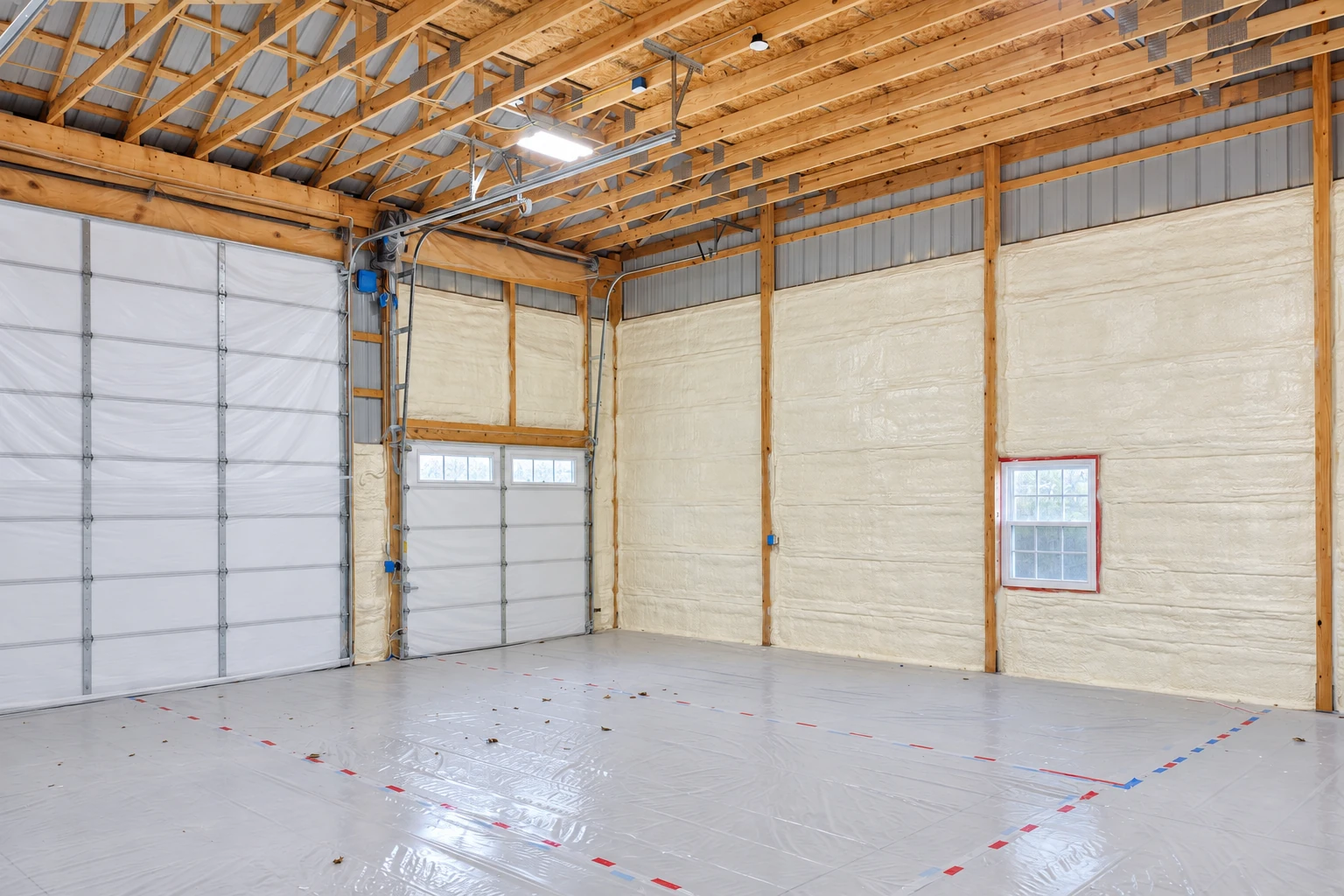
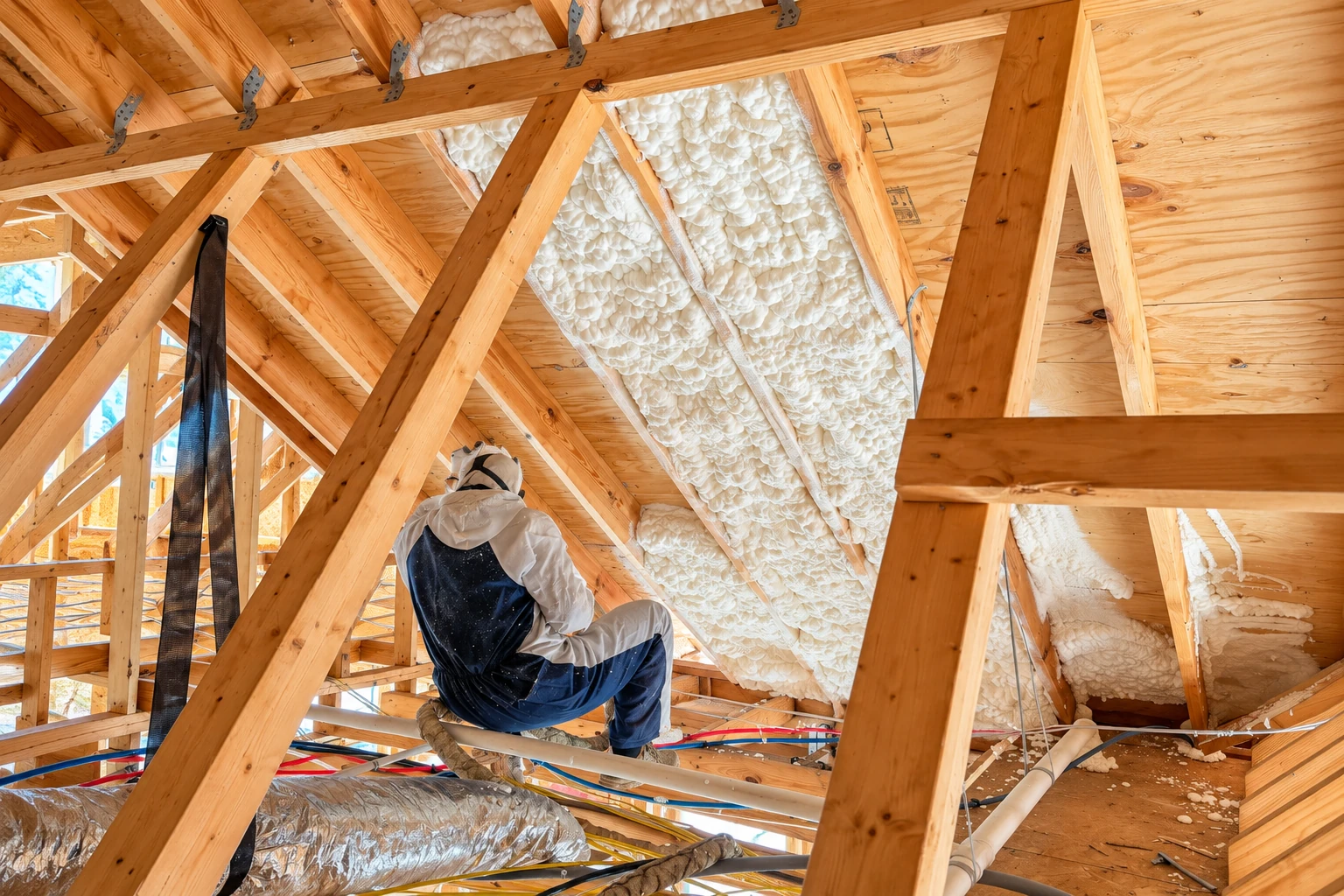
Spray foam seals and insulates in one pass. It earns its higher cost where ductwork runs through the attic or the room over the garage stays hot, and we'll tell you when loose fill would do.
Comfort Bartlett Insulation Company is an insulation contractor based in Bartlett, TN. We work in Marion, AR, insulating, air sealing and clearing out attics, crawl spaces and walls for homeowners and landlords.
As an insulation contractor based in Bartlett, TN, we cross into Arkansas for Marion jobs. It's the same attic, crawl space and wall work we do in West Memphis and, on the Tennessee side, in Oakland. Our calls come from homeowners and from landlords with rentals around Crittenden County. Many of the older houses we see have a few inches of settled fill sitting over open gaps, and it's thin at the edges, where it should be deepest.
The price depends on what's already up there and what shape it's in. That means how many inches you have, whether soaked or dirty insulation has to come out first, how many gaps need sealing and how easy the space is to reach. The schedule depends on what we find, such as wiring that needs an electrician first, and on any permit the city wants before work starts. I come out, look the job over and write the estimate myself, so the figure you get is for your house. Foam costs more because it seals air as it insulates, so I usually suggest it only when the ductwork runs through the attic. Otherwise, sealing the gaps and topping up loose fill does the job for less.
I check the attic or crawl space for leaks, damp spots, droppings and old wiring first, because insulation laid over any of those only hides a problem until it gets worse.
On a remodel or addition, the city wants its inspections done before insulation covers the work. We schedule our part after those pass so we don't bury anything an inspector still needs to see.
Arkansas requires a license from its Residential Contractors Committee for home improvement work on an existing house over $2,000, and splitting the job into smaller contracts doesn't change that. We're licensed and insured.
Spray foam seals and insulates in one pass. It earns its higher cost where ductwork runs through the attic or the room over the garage stays hot, and we'll tell you when loose fill would do.
We measure what's already up there and seal the gaps around can lights, pipes and the hatch. Then we bring coverage up evenly, all the way out to the edges where older attics are usually thinnest.
Blown-in insulation is loose fill blown through a hose, so it tops up an attic quickly and settles in around wiring and framing. We keep it off the eave vents so the attic can still breathe.
When the whole house feels drafty or the power bill keeps climbing, I go through the attic, walls and crawl space. Then I tell you which one is worth fixing first.
Insulation that got soaked or filled with droppings has to come out before anything new goes in. Fresh material laid on top would keep the smell, the damp and the problem.
Cold floors usually trace back to the crawl space. We check for standing water and damp wood before insulating under the floor, because insulation in a wet crawl space tends to sag and fail.
Walls in older houses are often empty or only half filled. Before any insulation goes into a cavity, we look for old wiring that an electrician should see first.
Air sealing means closing the cracks and holes that let air leak in and out of the house. It's usually where we start on a drafty home, because insulation works better once the leaks are closed.
Where a house has a basement, we insulate the walls and the rim joist, which is the band of framing sitting on the foundation. That band often leaks more air than people expect.
Closed-cell foam is a dense foam that also blocks moisture. It suits crawl spaces, rim joists and spots where damp air is the trouble, and because it costs more, we use it where that matters.
Open-cell foam is softer and costs less than closed-cell, and it still seals air as it fills. It suits rooflines and wall cavities that stay dry, especially where ductwork runs through the attic.
Landlords and property managers call us for rentals and small commercial buildings. They get the same plain estimate and tidy work, and we schedule around tenants wherever we can.
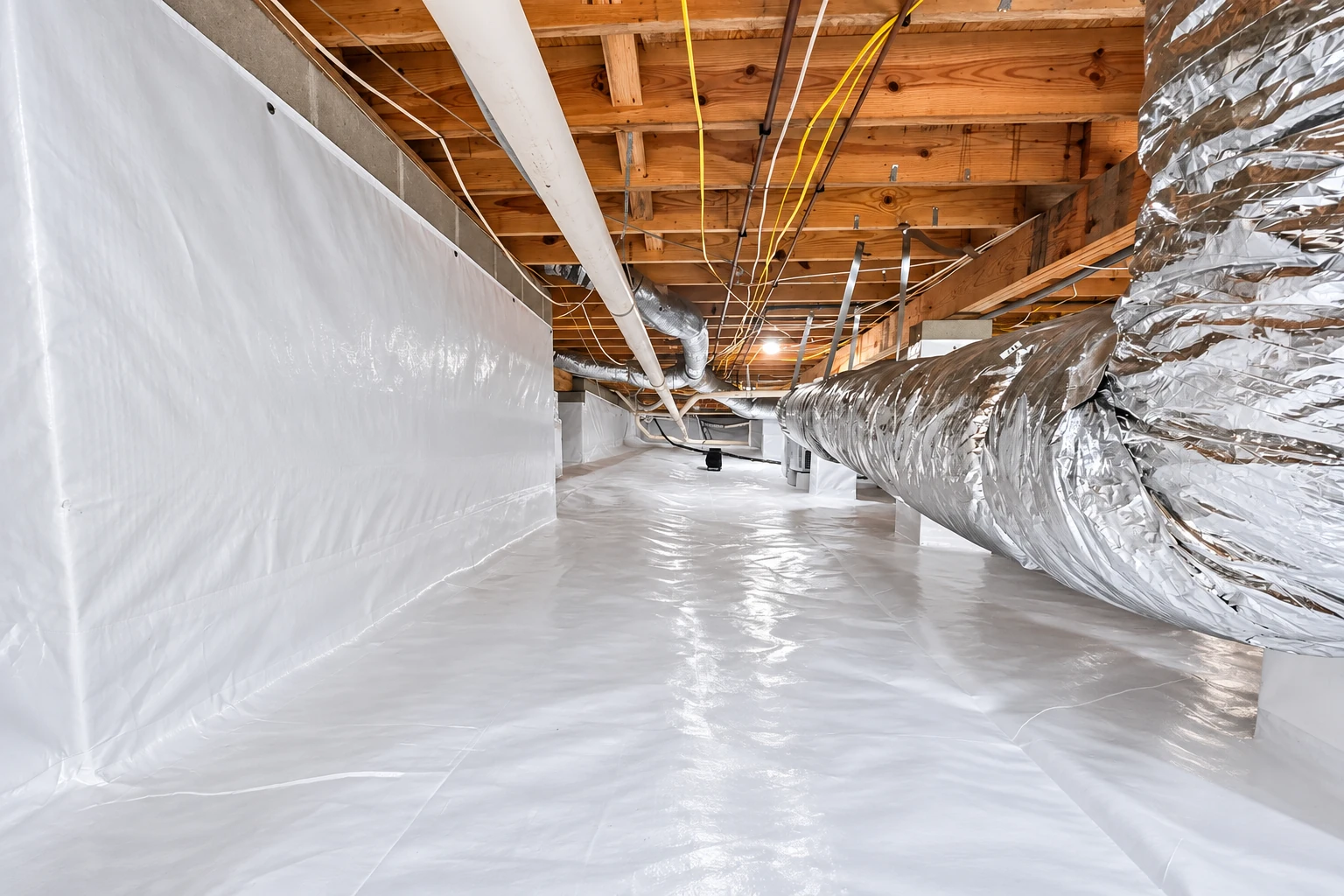
A crawl space vapor barrier is a heavy plastic sheet laid over the dirt to keep ground moisture away from the floor framing. We overlap and seal the seams so damp air can't slip through.
We install vapor barriers where damp air would otherwise reach insulation or framing. We put each one on the side of the wall or floor the house needs, because a barrier in the wrong spot traps moisture.
Before any fill goes in, we seal the attic floor around can lights, plumbing pipes, wiring holes and the hatch. That way the new insulation isn't fighting air drafting up from the rooms below.
Retrofit work adds insulation to a house that's already finished without tearing it apart. In older homes we work around the wiring and framing that's there, and we fix what needs fixing before we cover it.
Send the form and we'll reply within one business day to set a time. I'll come out, look the job over and write you a free estimate, with no obligation to go ahead.
I look at every job and write the estimate myself, and I lead the crew that does the work. That means the person who priced your job is there on the day.
If adding to your attic won't pay off, I'll tell you so. I'd rather lose the job than sell your house something it doesn't need.
When a job turns up wiring, gas, or heating and cooling work, we bring in a licensed contractor in that trade for that part instead of working around it.
These are the questions Marion homeowners and landlords ask us most about permits, licenses and hiring an insulation contractor in Arkansas.
That depends on what the job includes, so we check with the city before we start. Permits & Inspections at City Hall issues permits for work that alters or enlarges a house and for electrical, gas, mechanical or plumbing work. Work can't begin until any permit the job needs has been paid for and approved. We take care of any permit that's ours, and you can call City Hall at 870-739-5410 with your own questions.
Yes. The city lets homeowners work on their own primary residence without a license, and state law exempts an owner acting as their own contractor on their own single-family home. Any permit and inspection the work calls for still applies, though, so check with City Hall before you start.
A Marion building permit becomes void if work doesn't start within six months, or if work stops for six months at any point after it starts. On a remodel, the city also wants separate permits from the electrical, mechanical, plumbing and gas trades. That's why we line our part up right behind theirs and their inspections.
Ask for their Arkansas license and their city privilege license, then call City Hall, which can tell you whether a contractor's privilege license is valid. The city requires proof of licensing before it issues any permit, so a contractor who can't show it can't pull a permit for your job.
These are the cities with their own page on our site, and we work in other cities across the Memphis area too. If yours isn't listed, call or send the form and ask.
Our lines are open from 6 AM on weekdays and 7 AM on weekends, so you can call (901) 295-2959 or send the form before your day starts.