

Attics with the ducts up there
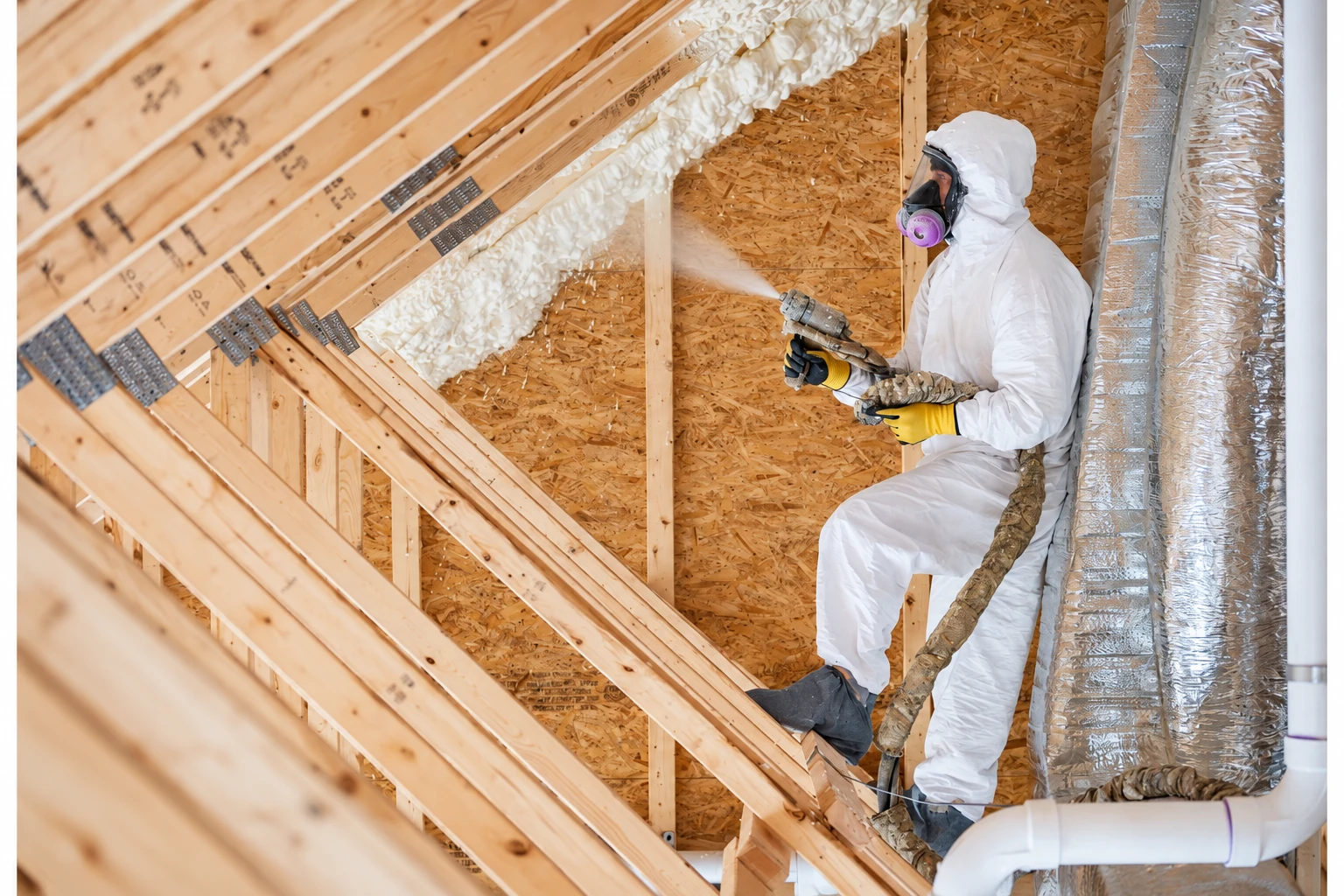
When your air handler and ductwork sit in the attic, foam on the roof deck brings them inside the house, so they're no longer sitting in summer attic heat while they carry your cooled air.
If the upstairs stays hot and the power bill climbs every summer, foam under the roof deck seals the attic and brings it inside your house.
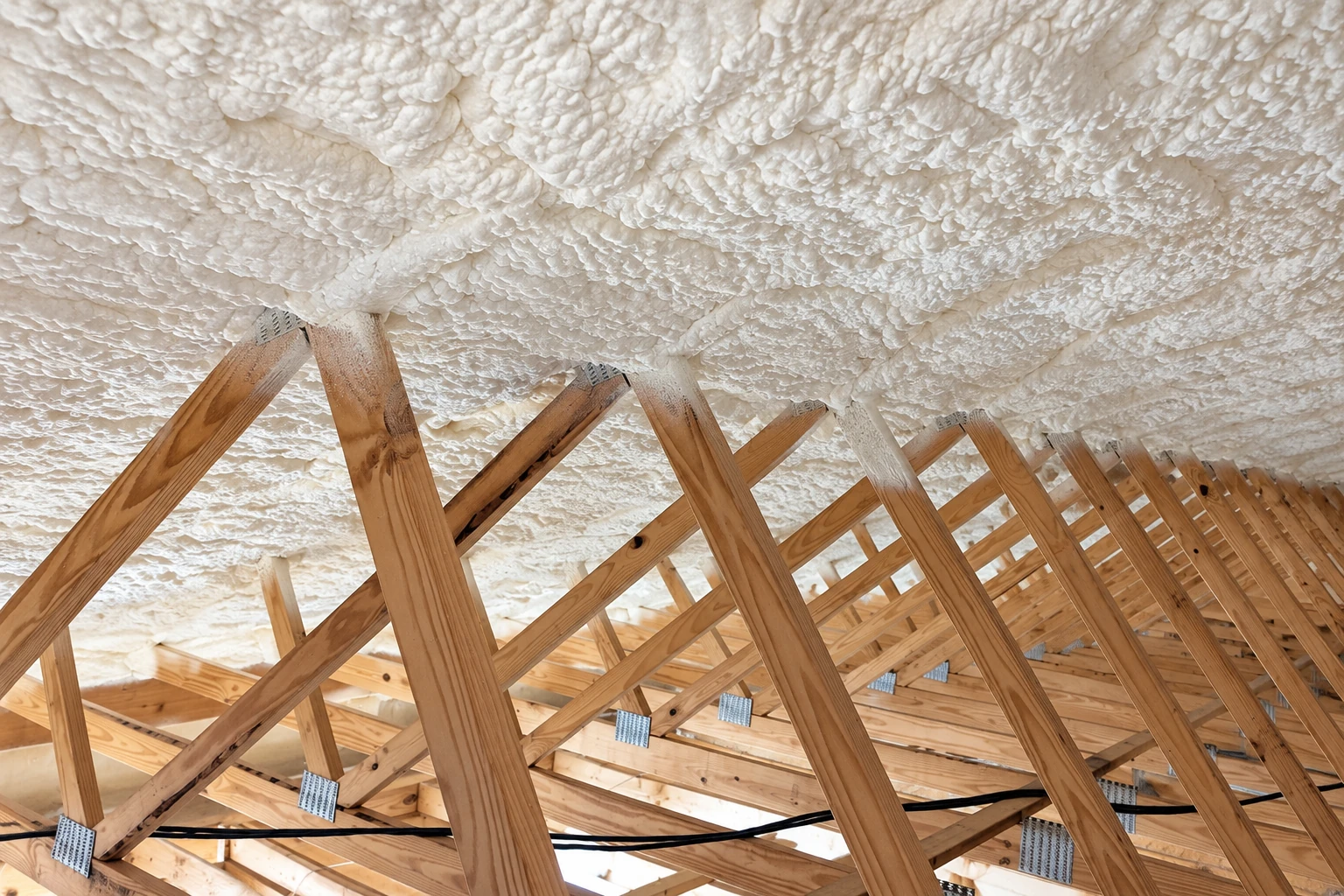
Spray foam insulation in Bartlett is foam sprayed in place, most often on the underside of the roof deck, where it seals air leaks and slows heat in one layer, so the attic and the ducts in it end up inside the comfortable part of your house.
Most calls start with a hot upstairs, a room over the garage that never cools down, or a power bill that keeps climbing while the air conditioning runs all afternoon. The price mostly turns on how much roof deck or wall we cover, which foam we use and how thick, and how easy the attic is to get into, while the schedule turns on getting your household out for the job and back in after the wait. When I come out, I measure, look at where your ducts sit and give you a figure for your own house.
Before we add anything to your house, I check the attic for leaks, damp spots and old wiring, because foam sprayed over a problem only hides it until it gets worse.
I come out to look at the job and write your estimate, and I lead the crew that sprays it, so you deal with one person throughout. We're licensed and insured. Satisfaction guaranteed.
If sealing gaps and topping up loose fill would serve your house for less, I'll tell you so, because I'd rather lose a foam job than sell you something your house doesn't need.
Before we spray anything, I look at where your ducts and heating and cooling equipment sit, check the roof deck and framing for leaks or damp spots, and talk through with you how the sealed attic will stay dry, since foam closes the attic off from outside air. We also help your household plan to be out of the house during the job and ask whether anyone has breathing or skin sensitivities, so nobody is caught off guard on the day. Our crew then covers what needs protecting, pulls out old insulation that's wet or fouled so the problem doesn't stay under the foam, seals the vents at the eaves and gables that a sealed attic no longer uses, and sprays to the depth we agreed, checking the edges where the roof meets the walls because that's where coverage tends to run thin. When a job turns up wiring, gas or heating and cooling work, we bring in a licensed contractor in that trade for that part, and we clean up before we leave.
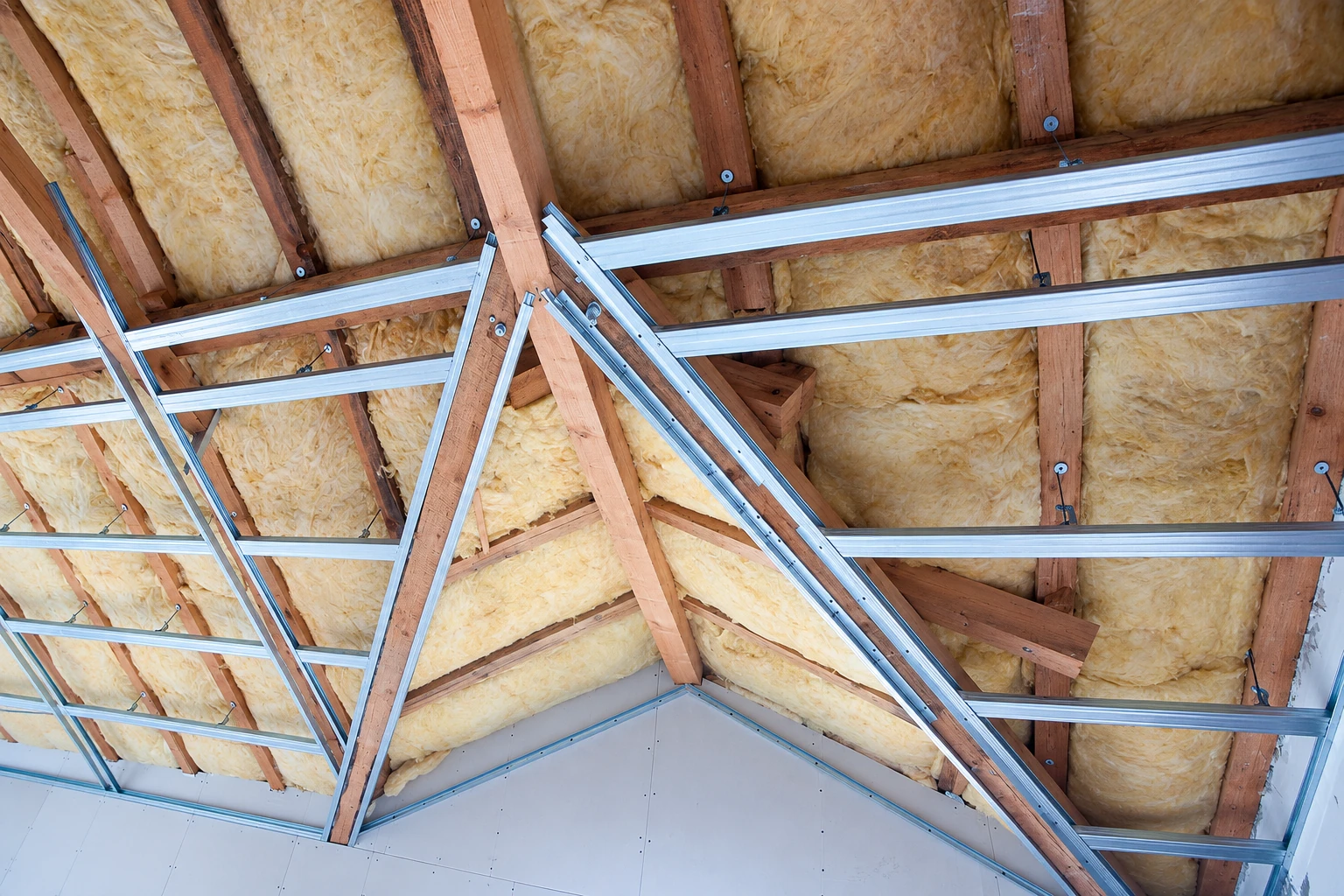
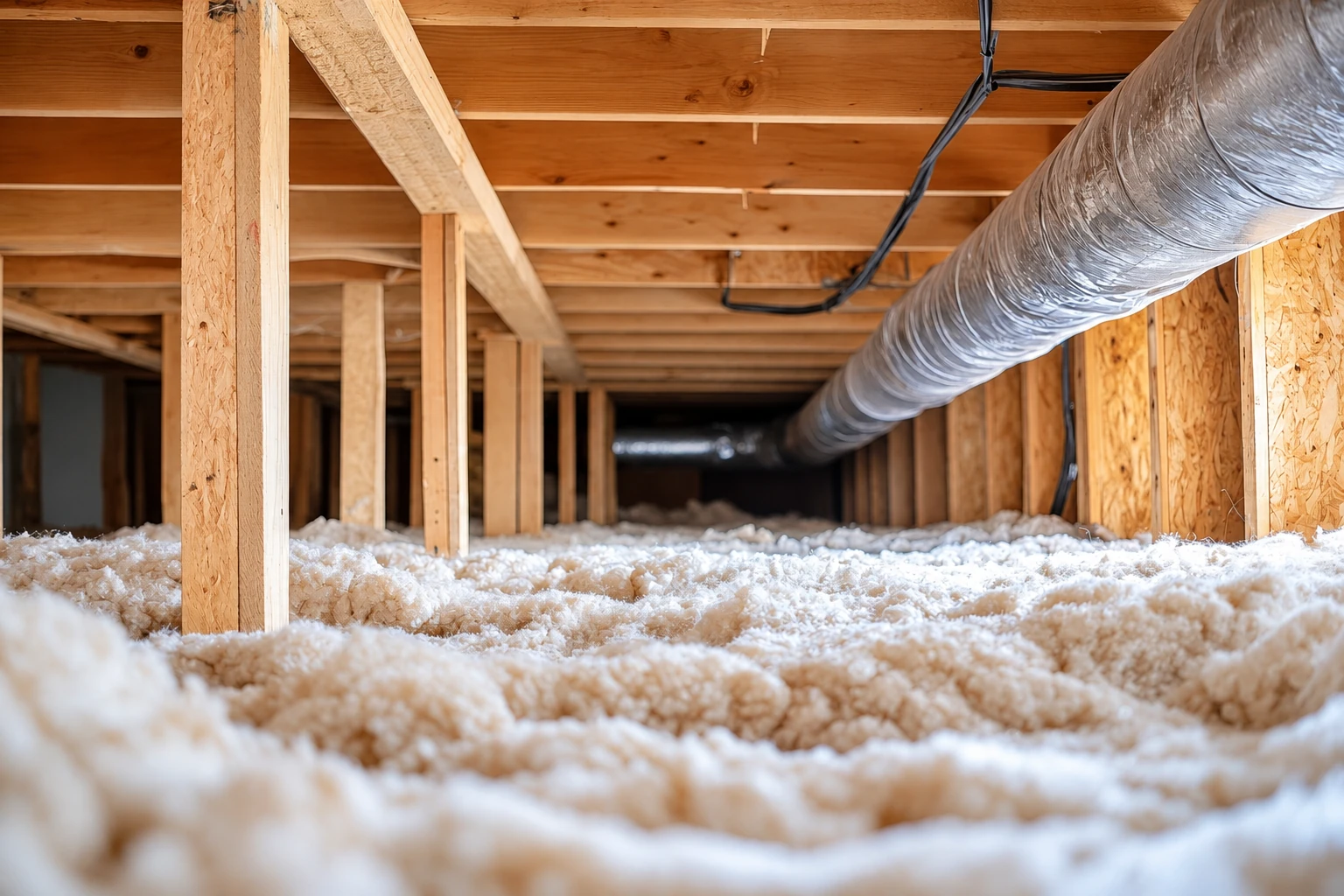
Foam isn't the right answer for every attic, and I'll say so when it isn't. If your ducts and equipment sit below the ceiling, sealing the gaps and laying attic insulation on the attic floor usually gets you most of the comfort for less money, and when there are already a few inches up there, blown-in insulation, loose fill blown through a hose, is how we usually top it up. Foam earns its higher price when the ductwork lives in the attic.
When your air handler and ductwork sit in the attic, foam on the roof deck brings them inside the house, so they're no longer sitting in summer attic heat while they carry your cooled air.
That room usually has thin insulation and air sneaking in from the garage and the attic beside it, and foam seals those leaks and insulates in the same pass.
Older houses often have years of holes cut through the ceiling for wiring, pipes and fans, and sealing the attic at the roof line keeps those gaps from pulling in outside heat.
Landlords and property managers call us for plain answers and tidy work, and foam suits a unit where upstairs comfort complaints keep coming back and the ducts run through the attic.
Send the form or call, and we'll reply within one business day to set a time for me to come out, look at your attic and write you a free estimate, with no obligation.
A rough size for the attic or the area you want covered helps me plan the visit, since the size of the area is the biggest thing behind the price.
Let us know whether your ducts and air handler sit in the attic, because that decides whether foam is worth the money or whether a cheaper route makes more sense.
If anyone at home has asthma, allergies or skin sensitivities, tell us early, so we can talk through the product and the time away before anything goes on the calendar.
These photos show open-cell and closed-cell foam on roof decks, gable walls and attic framing, so you can point to what you have in mind.
Here are the questions homeowners ask most before they decide on spray foam, from cost and foam type to moving out and permits.
Spray foam in the Memphis area usually costs about $1,600 to $4,000 to cover a 1,000 square foot area with 3 inches of foam. Treat that as the area's going rate, not our price. Pulling out old insulation, working around finished walls and ceilings, or a cramped attic usually pushes it higher, and I'll give you a figure once I've measured.
Closed-cell gives you about twice the insulating power per inch, while open-cell costs less and quiets a room much better. So closed-cell, the dense foam that also blocks moisture, makes sense where depth is tight, and open-cell suits a tighter budget or a room where noise matters. I'll suggest one after I've seen your roof deck and framing.
Federal consumer safety guidance says to stay out for at least 24 hours. The wait can run longer depending on the product, the house and whether children or older people live there, so we help you plan a place to stay. Anyone with asthma, allergies, skin conditions or an earlier reaction to the foam's chemicals should read the product information carefully, and another insulation may suit them better.
It can if nobody plans for it, which is why a sealed attic needs a way to remove moisture. National building guidance says any attic closed off from outside air needs one, and in Knoxville, researchers found a sealed-attic test house ran more humid in the attic and indoors than a vented house next door. Ask how humidity will be handled before anyone sprays.
The city's permit list doesn't settle it, so we check with the city before we start and handle any permit or inspection that's ours. Bartlett Code Enforcement permits all projects in the city, and its list names heating and cooling, water heaters, electrical work and siding, which must be pulled by a licensed contractor. You can call Code Enforcement at 901-385-6425 with questions.
We're open from early morning until 11 PM seven days a week, so call (901) 295-2959 or send the form when it suits you.