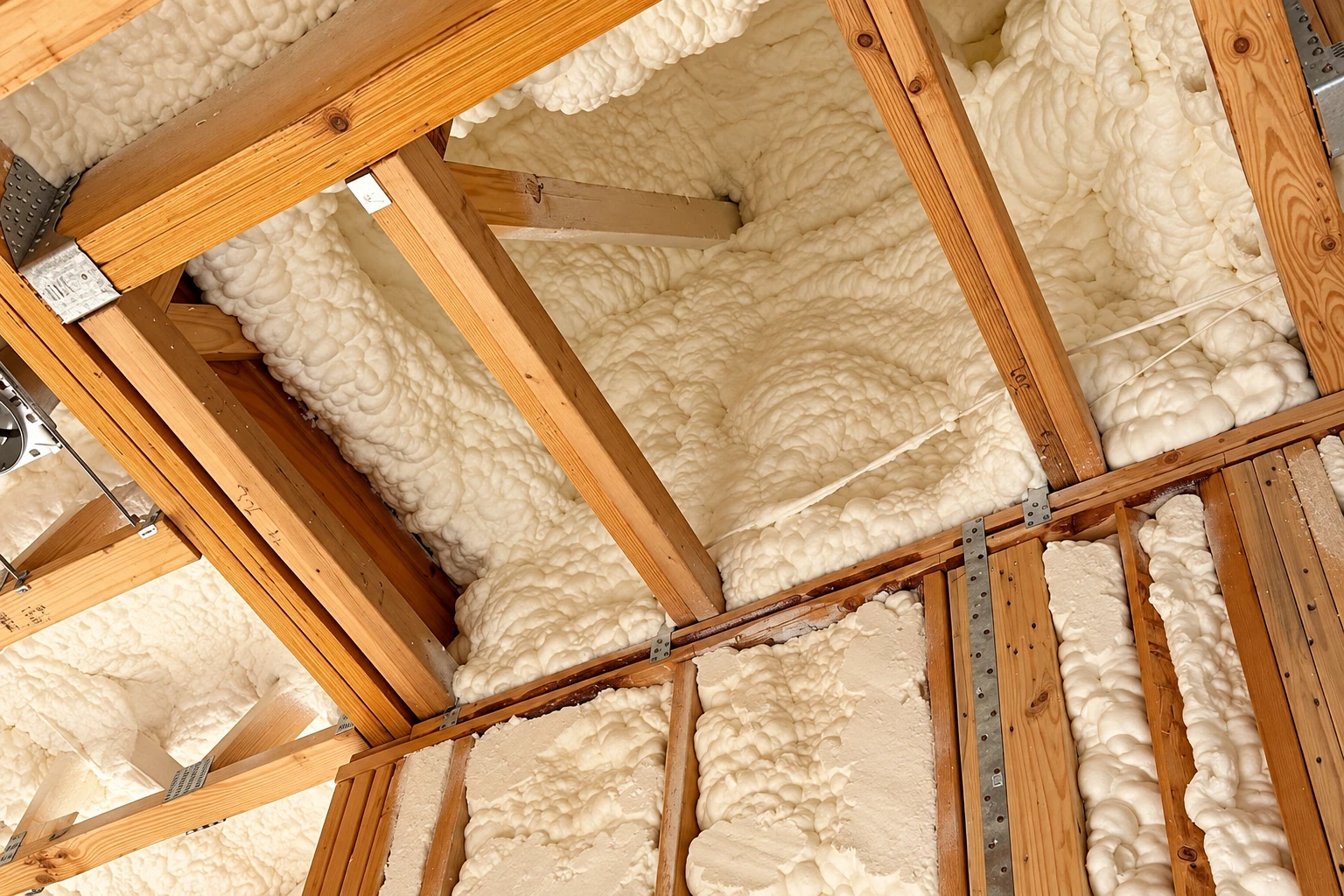
Spray foam insulation
Spray foam costs more, but it seals air while it insulates. Unless your ductwork runs through the attic, I usually suggest sealing the gaps and adding loose fill instead.
Comfort Bartlett Insulation Company is an insulation contractor in Bartlett, TN, and we work in Arlington too, sealing and insulating attics, walls and crawl spaces and clearing out old insulation that has gone wet or dirty.
Arlington is a Shelby County town where we mostly see two kinds of house. Around the old center by Depot Square, some homes go back to about 1890, long before anyone blew insulation into an attic. They often have very little up there, and they may have old wiring I want to look at before we cover anything. Farther out, newer houses usually have ductwork in the attic and a room over the garage that runs hot all summer. Rain at the nearest weather station swings widely from one year to the next, and after the wet years we often find damp crawl spaces and sagging insulation under the floor. It's much the same mix we meet in Atoka and Lakeland, though Arlington's older streets give us more of the careful work.
The price of a job here turns on the size of the attic, how many inches are already up there, whether old material has to come out first, and whether loose fill or foam suits the house. The schedule turns on the same things, plus any wiring or duct repair that a licensed contractor in that trade handles before we close up. I'll give you your own figure after I've been up in your attic, and an older house usually gives me more to check.
Before anything new goes in, I check the old insulation for water stains and droppings, because fresh material laid over a wet or dirty layer only hides the problem.
Thin coverage at the eaves is the mistake we find most often, so we fill the edges as deep as the middle and keep the eave vents open so the attic can breathe.
Landlords and property managers call us as often as homeowners do, and each rental gets its own look, its own written estimate and the same tidy work.
Spray foam costs more, but it seals air while it insulates. Unless your ductwork runs through the attic, I usually suggest sealing the gaps and adding loose fill instead.
Most calls start with a hot upstairs or a high power bill. We measure how many inches are already up there, seal the gaps, then build the depth up evenly.
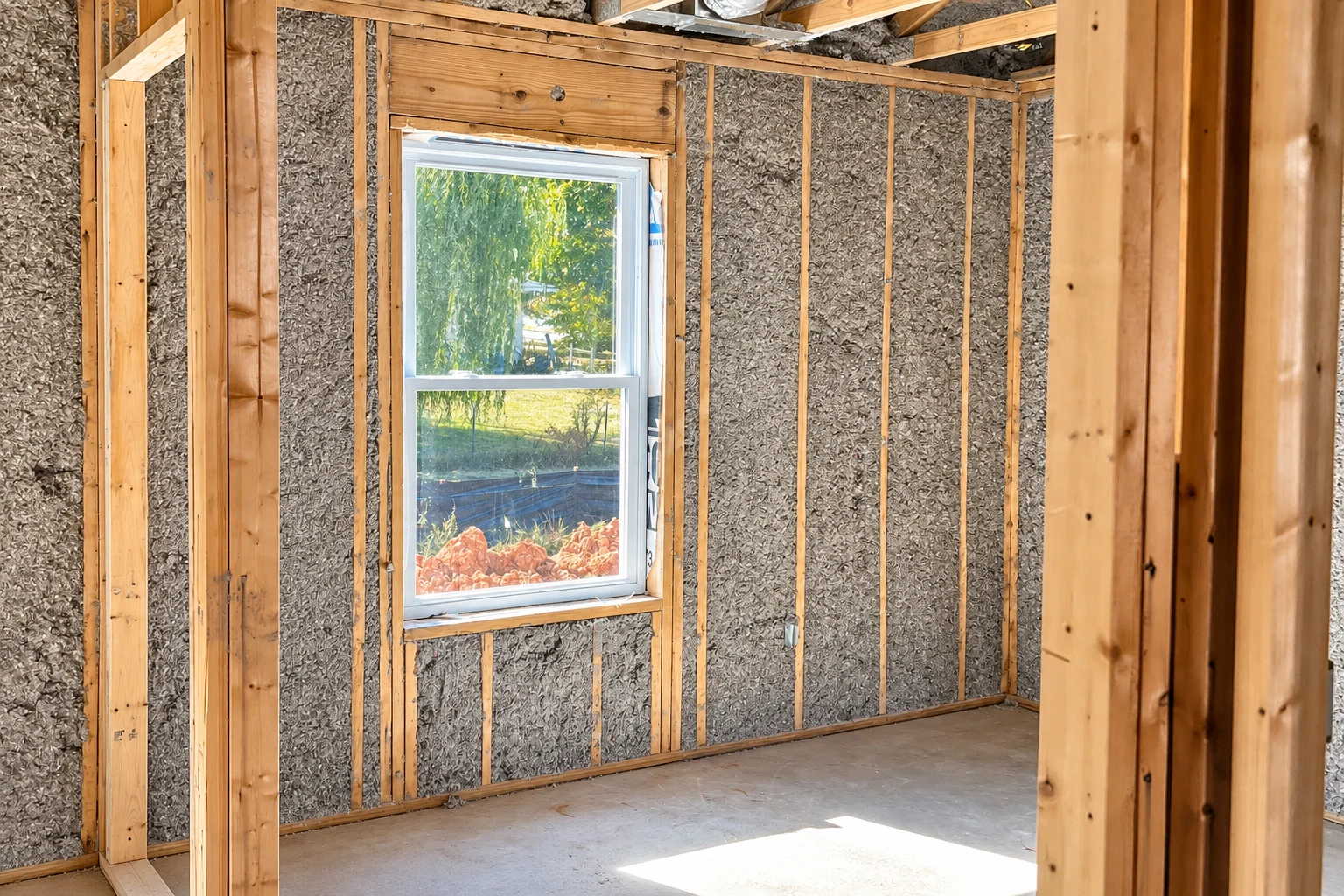
Blown-in insulation is loose fill blown through a hose, so it reaches the tight corners at the eaves that rolls of batts tend to miss.
When a house feels drafty all over, we look at the attic, walls and crawl space together, then tell you which part will make the most difference first.
When old insulation is soaked or full of droppings, we vacuum it out and clean the attic before anything new goes in, so the old problem doesn't stay behind.
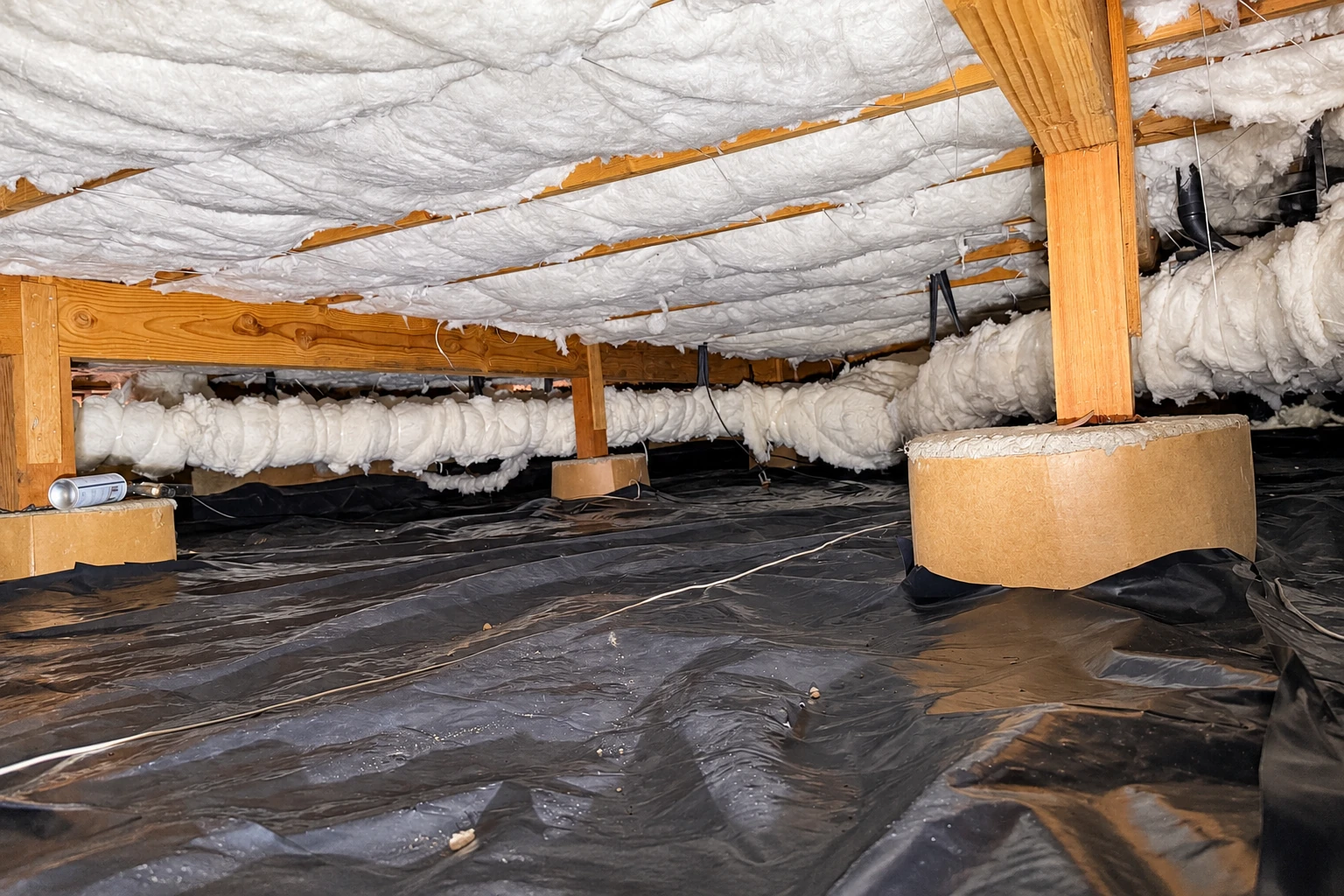
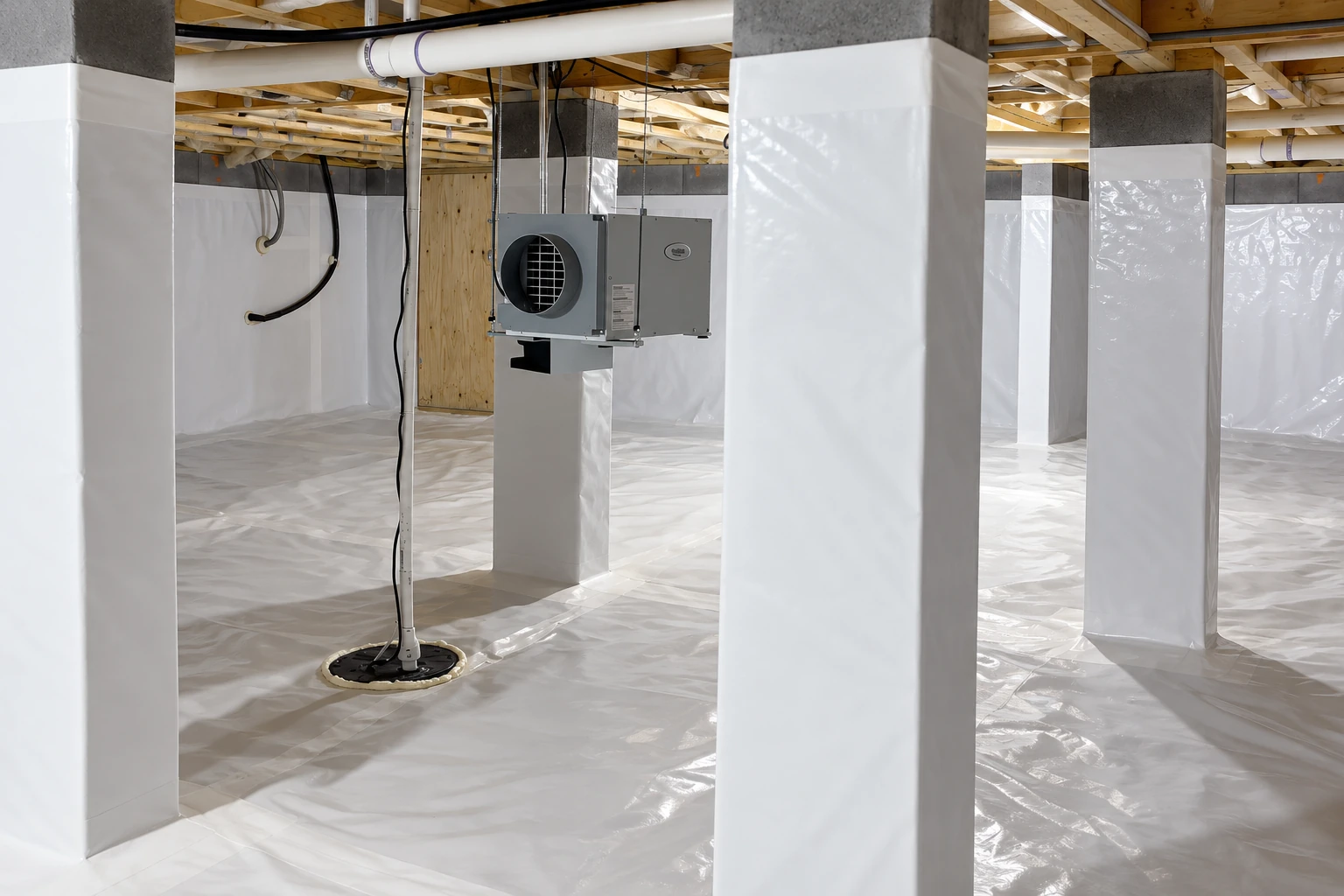
Cold floors usually mean the insulation under the house has sagged or fallen. We check for dampness first, since insulation in a wet crawl space only holds the moisture.
Walls in older Arlington houses are often empty or thinly filled. We fill them through small holes that get patched afterward, and we check for old wiring before we start.
Air sealing means closing the gaps a house leaks through before we insulate, so the new insulation isn't fighting a draft coming up from the rooms below.
Where a house has a basement, we insulate the walls and the framing that sits on top of them, after making sure the walls stay dry.
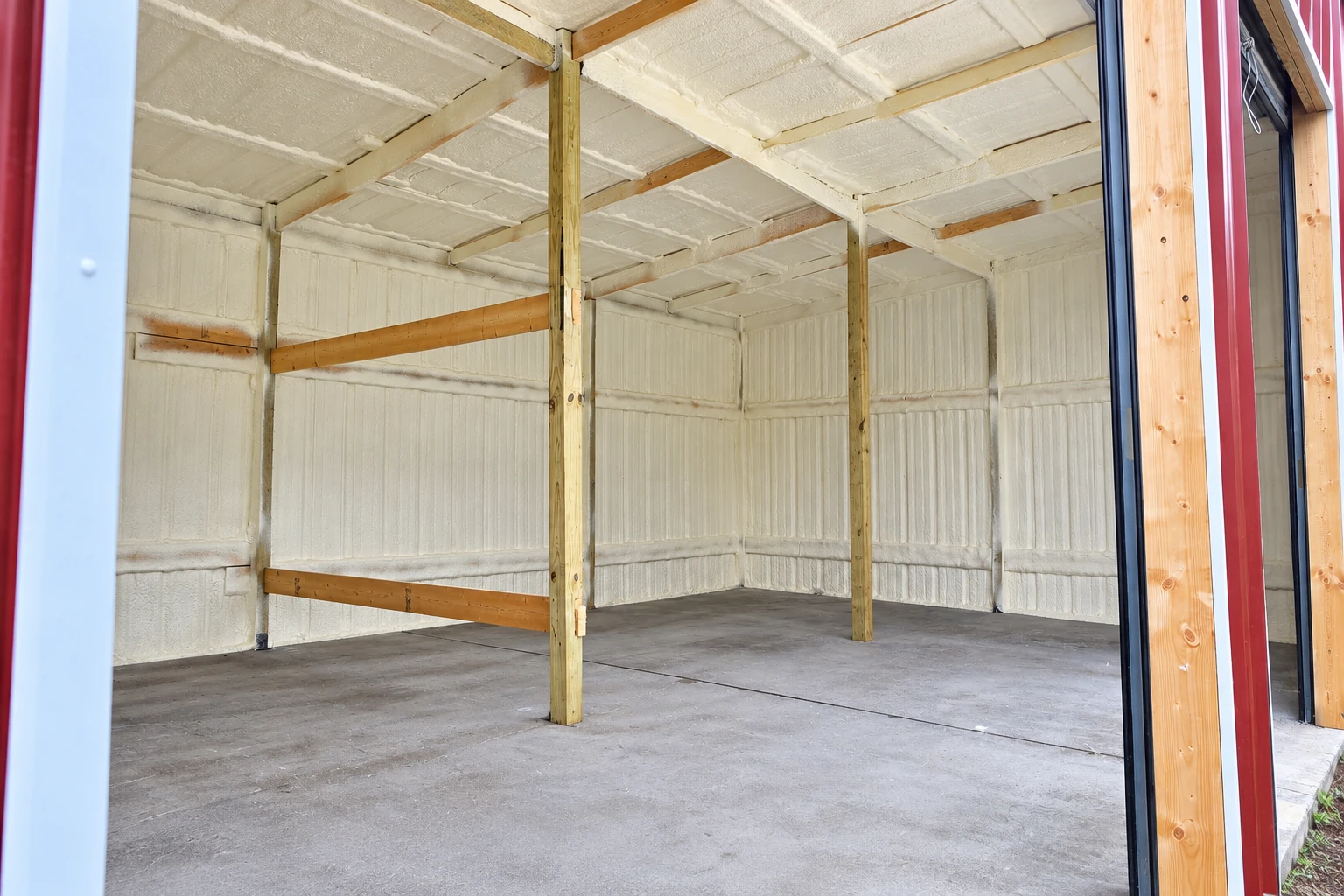
Closed-cell foam is dense foam that blocks moisture as well as air, so we use it where damp is the worry, such as a crawl space wall.
Open-cell foam is softer and lighter, and it fills odd spaces like the sloped ceiling over a garage room well. It costs less than closed-cell but doesn't stop moisture.
We insulate and seal small commercial spaces and rental buildings in the same careful order, and we keep the work area tidy so tenants and customers can carry on.
We lay heavy plastic over the dirt in the crawl space and seal the seams, so ground moisture stays down there instead of creeping into your floor framing.
A vapor barrier has to go on the right side of a wall or floor, because the wrong side traps moisture. We check where your house actually needs one first.
We seal the attic floor at the hatch, around recessed lights and where interior walls meet the attic, because warm air slips out there before it goes anywhere else.
Adding insulation to a finished house means working around what's already there. We find the open spots in the attic, walls and floors and fill them without tearing rooms apart.
Send the form and we'll reply within one business day to set a time. I'll come out, look the house over and write your estimate, free and with no obligation.
I'd rather tell you a job isn't worth the money than sell you something your house doesn't need, so the estimate covers only what your house calls for.
I come out to look the job over and write the estimate, and I lead the crew that does the work, so nothing gets lost between the visit and the install.
Whoever answers your call and whoever comes through your door will treat you and your home with courtesy, and our work is satisfaction guaranteed.
Here are plain answers to what Arlington homeowners ask about permits, licenses and the old Depot Square area before insulation work starts.
Construction permits for Arlington projects come from one shared department that also issues them for Memphis, Germantown, Lakeland, Millington and unincorporated Shelby County, and the same office reviews plans and inspects the work. Before we start, we check with it about what your job calls for and take care of any permit and inspection that's ours to handle.
Yes, Shelby County requires a Home Improvement license for residential remodeling projects from $3,000 up to less than $25,000, and that amount is the full contract, materials and labor together. The state board has to approve each license application. We're licensed and insured, and you're welcome to ask me about it when I come out for the estimate.
Usually not for insulation inside the house, because the town's design review covers exterior construction, improvements and preservation around the original Depot Square. Its guidelines aim at commercial and multi-family work inside the district's mapped boundary, and the review is separate from a building permit. If your job changes the outside of a building there, check with the Town of Arlington first.
These are the cities with their own page on our site, not the only places we go. If yours isn't listed, call or send the form and ask.
We answer from early morning until 11 PM every day, so call (901) 295-2959 or send the form whenever it suits you.