
Thin insulation in an older attic
Many older homes have little or no insulation on the attic floor, so counting the inches already up there is the quickest way to see how much a house has to gain.
Upstairs runs hot and the power bill keeps climbing? We add insulation to your attic and walls so the house holds its temperature.
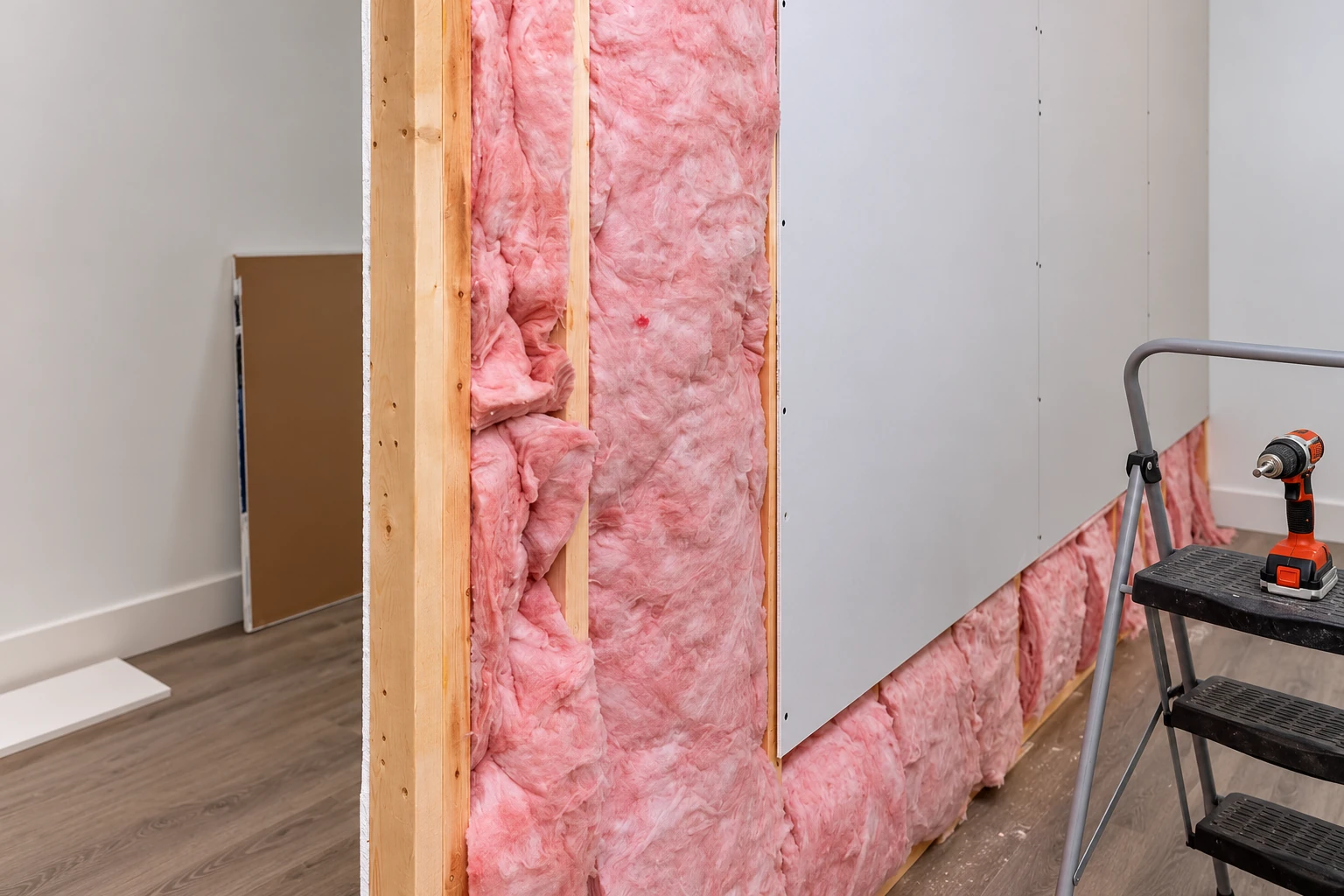
Retrofit insulation is insulation added to a house that's already built, usually blown across the attic floor and sometimes into the walls, and in Bartlett, TN we do it so your rooms hold their heat in winter and their cool in summer.
The call usually starts with a hot upstairs, cold floors or a power bill that keeps climbing, in a house that's had the same few inches in the attic for decades. The price depends on the size of the attic, how much is already up there, how many gaps need sealing and whether the walls are part of the job. The schedule depends mostly on what I find first, because anything that needs fixing in the attic gets fixed before new insulation goes in. My estimate on site gives you the figure and the plan for your house.
I come out to see the house and write the estimate, then I lead the crew that does the work, so the plan we agreed on is the one carried out. We're licensed and insured.
Before I started this business in 2017, I spent years on upkeep for a property management company, which put me in a great many local attics and taught me how insulation fails.
If adding insulation won't pay off for your house, I'll tell you so plainly, because I would rather lose the job than sell you something your house doesn't need.
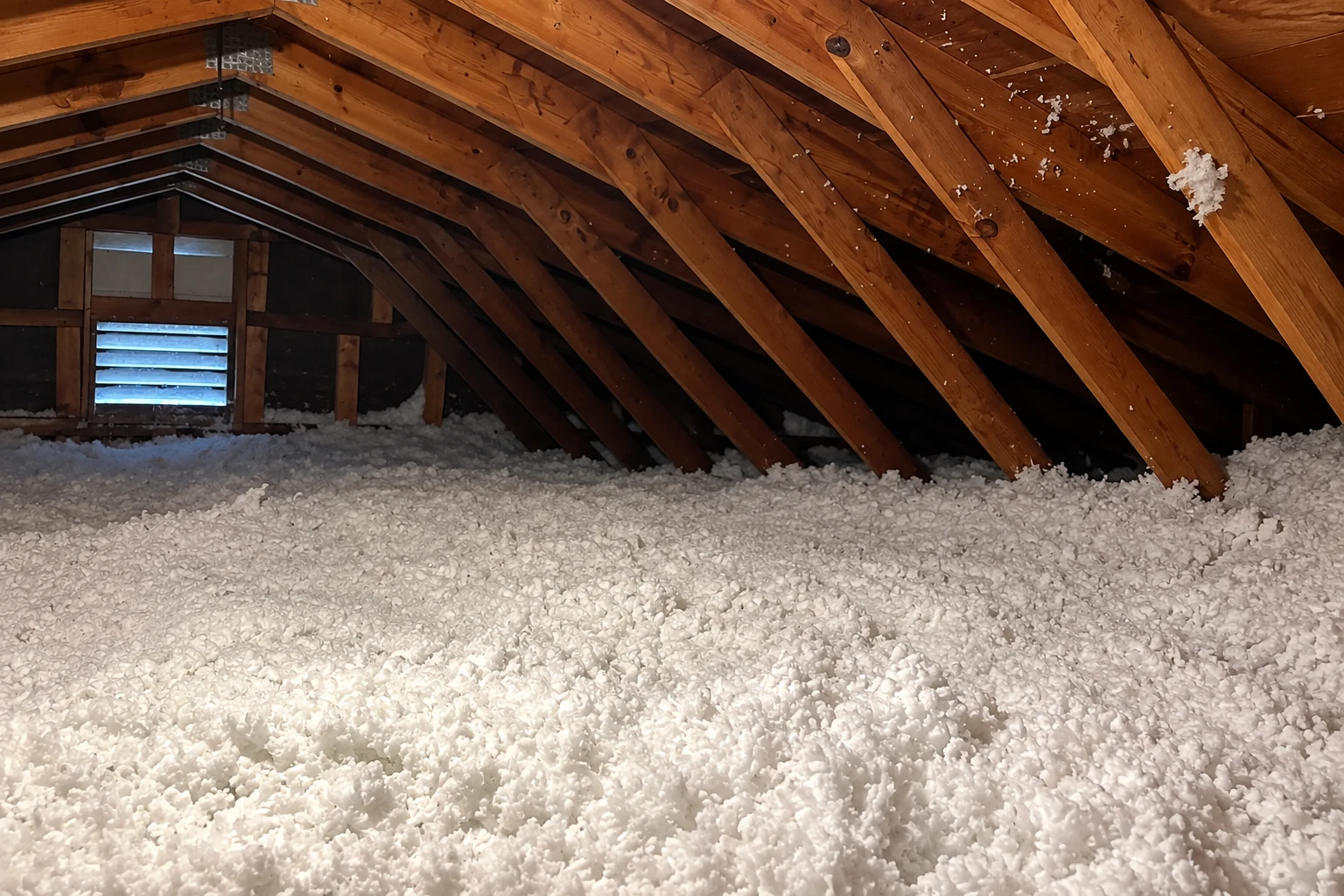
We start by deciding with you whether the attic, the walls or both come first, and then I look over the attic before anything goes in. The first thing I look for is knob and tube wiring, an older style run on small ceramic knobs that insulation can't be packed around, and if it's there, a licensed electrician rewires it before any insulation goes in. I also check for vermiculite, which has to be tested because it can contain asbestos, and for roof leaks and bath fans venting into the attic, since those get put right first. Old insulation that's soaked or full of droppings comes out rather than being buried. Then we close the gaps around lights, pipes and the hatch, which is called air sealing, so the new layer isn't fighting a draft. We keep the eave vents clear so the attic can breathe, and we blow in loose fill through a hose evenly out to the edges, not piled up in the middle. For walls, we drill small holes near the top of each cavity, from inside or out, and fill them, and when we work inside we cover your floors and set up enclosures to hold the dust.
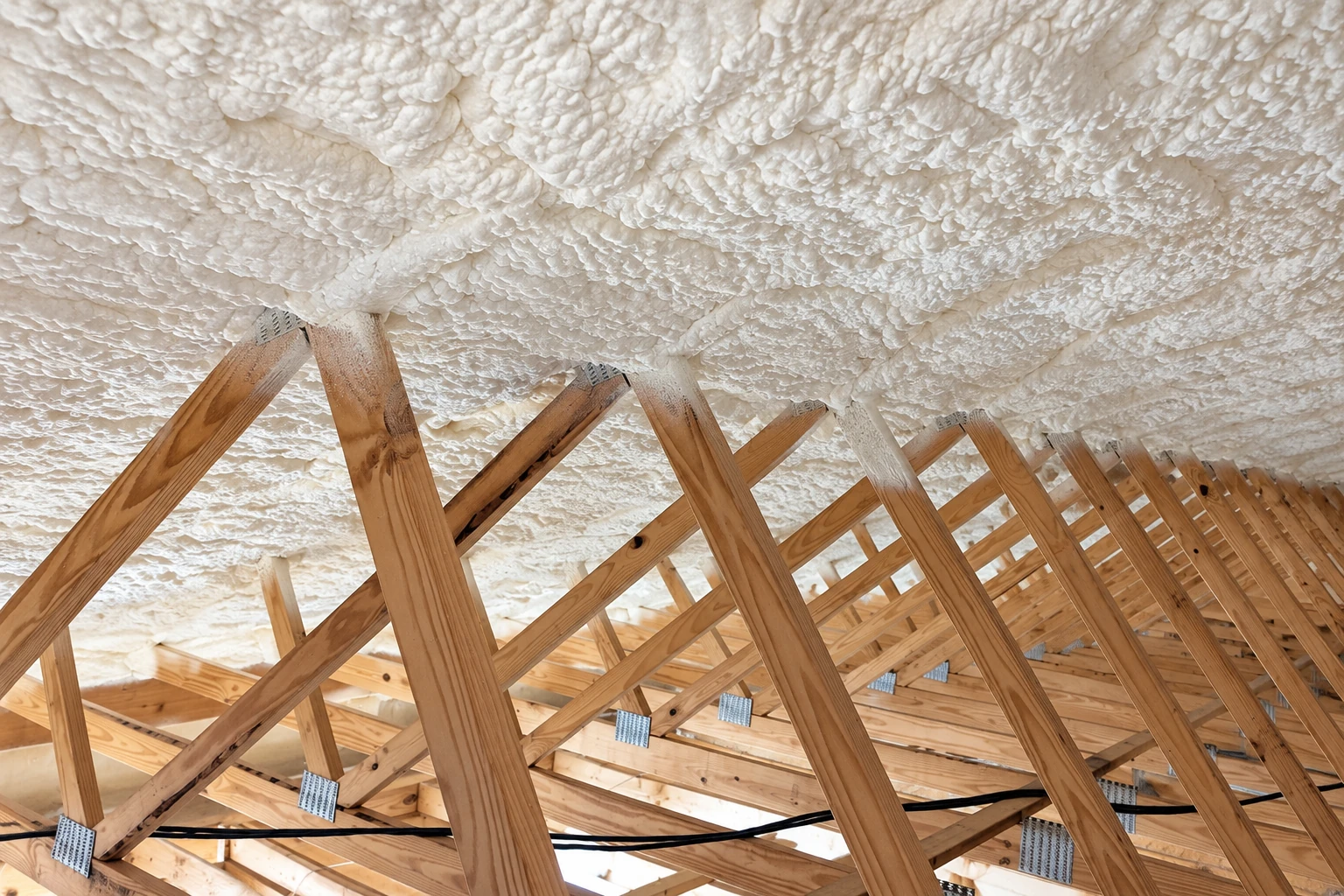
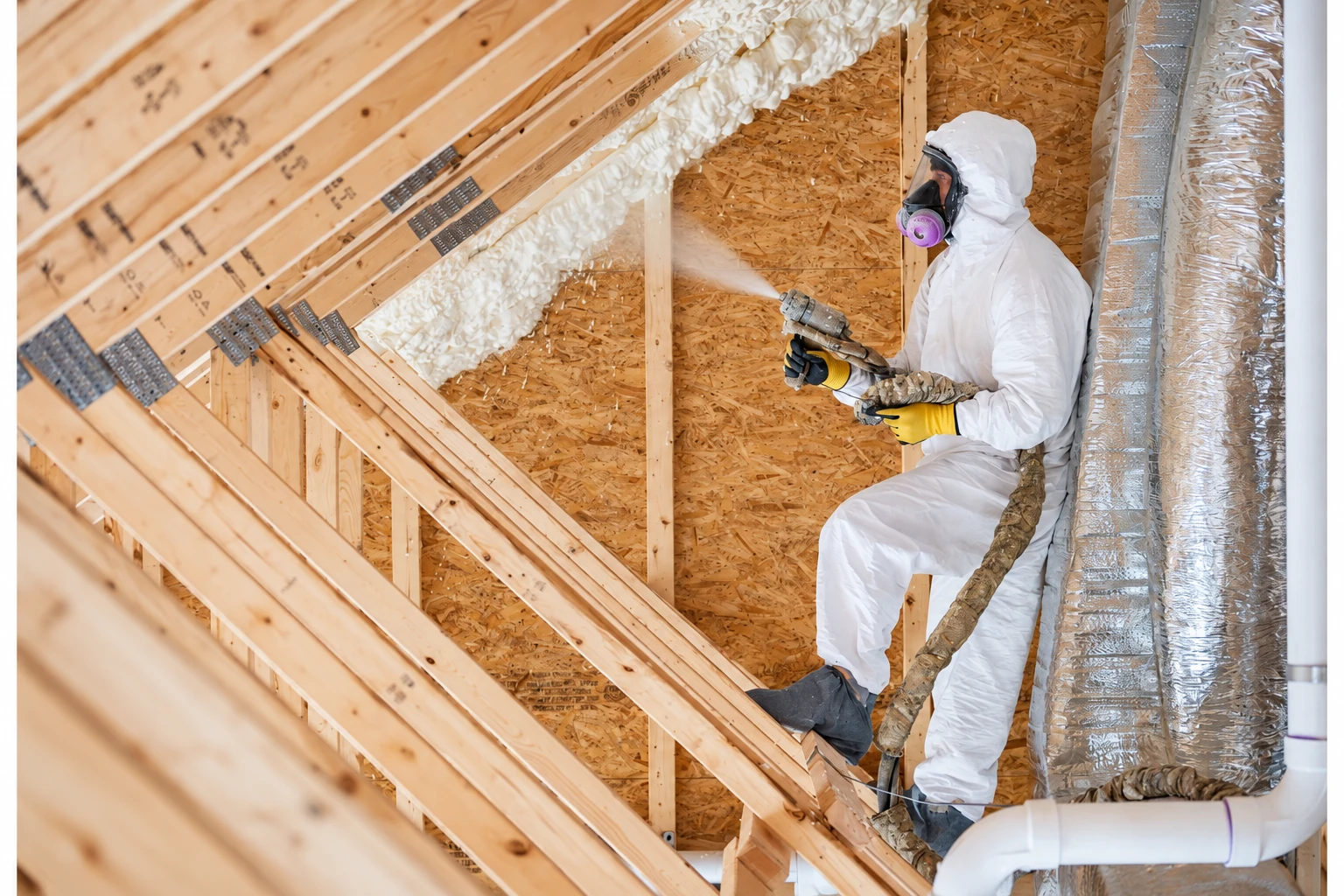
Most of these jobs center on attic insulation, since the attic floor is usually the easiest place to add more and the place an older house has least. Spray foam insulation costs more but seals air as it insulates, and I usually point to it only when your ductwork runs through the attic. Otherwise, sealing the gaps and topping up loose fill is the better use of your money.
Many older homes have little or no insulation on the attic floor, so counting the inches already up there is the quickest way to see how much a house has to gain.
That room usually has more outside surface than any other, so thin or gappy insulation shows up there first, and sealing and filling those spots brings it closer to the rest of the house.
Re-siding is an ideal time to fill the walls from outside, because the small holes end up under the new siding and nobody has to work inside your rooms.
Landlords and property managers call us for houses in Bartlett and cities across the Memphis area, including over the lines in Mississippi and Arkansas, because they want plain answers and tidy work.
Send the form and we'll reply within one business day to set a time. I'll come out, look over your attic and walls, and give you a free estimate on site, with no obligation.
The year your house was built tells me what wiring and insulation are likely up there, so putting it in the form helps me know what to look for when I arrive.
If you've seen wires running on small ceramic knobs or loose, pebbly gray or brown insulation, please say so, because both need attention before any new insulation goes in.
Landlords and property managers, tell us who will let us in and how to reach the tenant, so the visit is arranged courteously for everyone living there.
These photos show blown-in attic floors, sealed hatches and filled wall cavities, examples of finishes and layouts we can talk through for your house.
Here are straight answers to what Bartlett homeowners and landlords usually ask before they add insulation to an older house.
Attic insulation in the Memphis area usually costs about $1,400 to $4,600 per job. That's the going rate in the area, not my price, and your house lands where its size, its current insulation and the prep work it needs put it. I'll give you your own figure once I've seen the attic on site.
Insulation isn't on Bartlett's list of required permits, but the city says that list may not cover everything, so I check with Bartlett's Code Enforcement Department before work starts and handle any permit and inspection that's ours. Replacing old wiring is electrical work, which here needs a permit pulled by a licensed contractor. You can reach the department at 901-385-6425.
Usually, yes. Existing walls can be filled through small holes drilled near the top of each wall cavity, from inside or outside. We check the walls for moisture or damage first and wait until that's repaired before filling. In a house built before 1980, lead safety rules can apply, depending on how much the work disturbs.
For an existing Tennessee home, the U.S. Department of Energy and Oak Ridge National Laboratory recommend at least R-49 in the attic and R-13 in exterior walls, R-value being how well insulation slows heat. These are recommendations, not rules, so you can hold any quote up against them. I'll measure what you already have and tell you how far short it falls.
In most older houses the attic comes first, because it's the easiest place to add insulation and often has very little. Walls make more sense once the attic is in good shape, or when you're re-siding anyway. I'll look at both and tell you plainly which is worth doing now and which can wait.
Our phone hours run into the evening every day, weekends included, so call (901) 295-2959 or send the form when it suits you.