
Rim joists along the foundation
Air leaks in all the way around the house where the floor framing sits on the foundation. Closed-cell seals and insulates that band in one pass, with no gaps left around the joist ends.
Drafty rim joists, a hot room over the garage or shallow rafters with no room to spare? We spray dense foam that stops drafts and heat together.
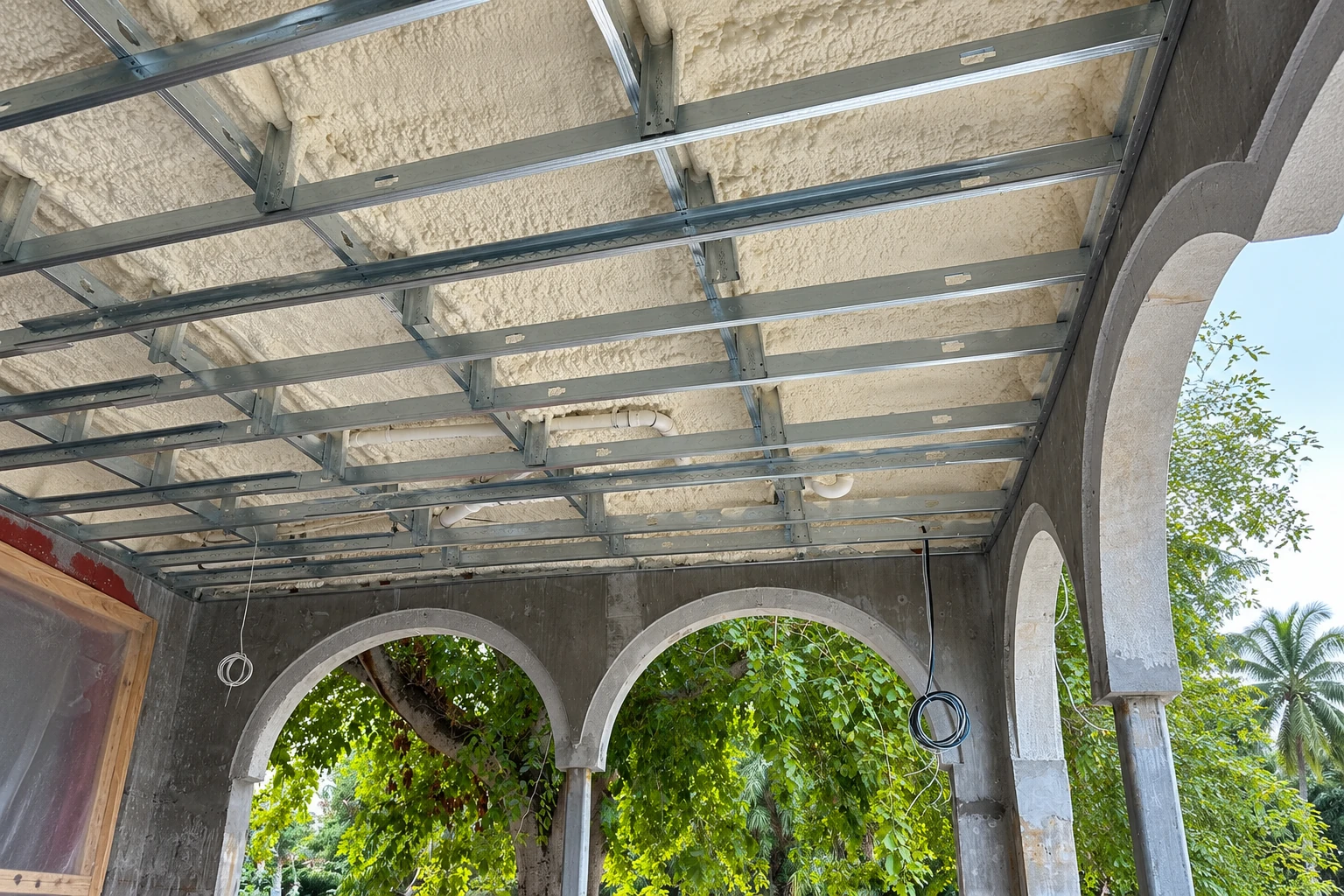
Closed-cell foam insulation is a dense spray foam that hardens in place to slow heat, stop drafts and block moisture in one layer. Comfort Bartlett Insulation Company installs it in Bartlett, TN and in cities across the Memphis area, including cities over the state lines in Mississippi and Arkansas.
Most people who call about it have one spot that won't stay comfortable, like a drafty band along the foundation, a hot room over the garage or a sloped ceiling without the depth for thick insulation. Closed-cell costs more than other insulation, so the price depends on how many square feet we spray and how thick, how hard the space is to reach, whether old or damp material has to come out first, and whether the foam needs a covering afterward. The schedule depends on the weather, because foam cures best when the temperature and humidity are right, and on your household having somewhere to stay while it cures. I come out, look the house over and write the estimate, so you'll have a figure for your own job, and we check with the city or county about any permit before work starts.
I come out myself and check for leaks, damp spots and old wiring before anything goes up, because foam sprayed over a problem bonds to it and hides it.
Ask a question and you'll get a direct answer first, on the phone or in your house. If I think a job isn't worth the money, I'll tell you so.
We're licensed and insured, and I lead the crew myself, so the person who wrote your estimate is the one in your house making sure the work matches it.
Closed-cell costs more, so we suggest it where its extra insulating power per inch is worth paying for, mostly in tight rafter bays and on rim joists, the framing that sits on top of the foundation. Before anything is sprayed, I go over the space for leaks, damp wood and old wiring. Anything soaked or full of droppings comes out first, and if the job turns up wiring, gas or heating and cooling work, we bring in a licensed contractor in that trade for that part. On spray day our crew covers floors, windows and belongings. Then we spray in passes to the planned depth, keep the edges as thick as the middle, and leave outlets, boxes and the attic hatch where you can still reach them. Where the foam will stay exposed, as in a crawl space or an unfinished room, we settle the covering with you up front, because exposed foam needs fire-rated material and that choice decides which product we bring. We trim the overspray, clean up and leave the space ready for your return.
Closed-cell isn't the only foam we spray. Open-cell foam insulation is softer and less costly, and on many houses it goes in the deeper spaces while closed-cell goes where depth is short, so I'll tell you which fits each part of the house. Landlords and property managers also call us for commercial insulation on larger buildings, and we plan those jobs the same careful way.
Air leaks in all the way around the house where the floor framing sits on the foundation. Closed-cell seals and insulates that band in one pass, with no gaps left around the joist ends.
Cathedral ceilings and finished attic rooms often leave only a few inches of rafter depth. In that space, dense foam gives you more insulation than anything else we install.
When your ducts and air handler are in the attic, foaming the underside of the roof brings them inside the comfortable part of the house. That's the case where foam beats adding loose fill.
That room is usually hot in summer and cold underfoot in winter because its floor sits over an unheated garage. Closed-cell under that floor stops the drafts and the heat with a thin layer.
Send the form and we'll reply within one business day to set a time. I'll come out, look over the areas you named and write a free estimate, with no obligation to go ahead.
Tell us whether it's the rim joists, a sloped ceiling, the room over the garage or somewhere else, so I can plan the visit and know what to look at first.
A guess is fine because I'll measure on site, but it tells us the size of the job before I arrive and makes our first conversation more useful.
If anyone at home has asthma, allergies or a skin condition, please say so now, because it affects which product we suggest and how your household plans the time away.
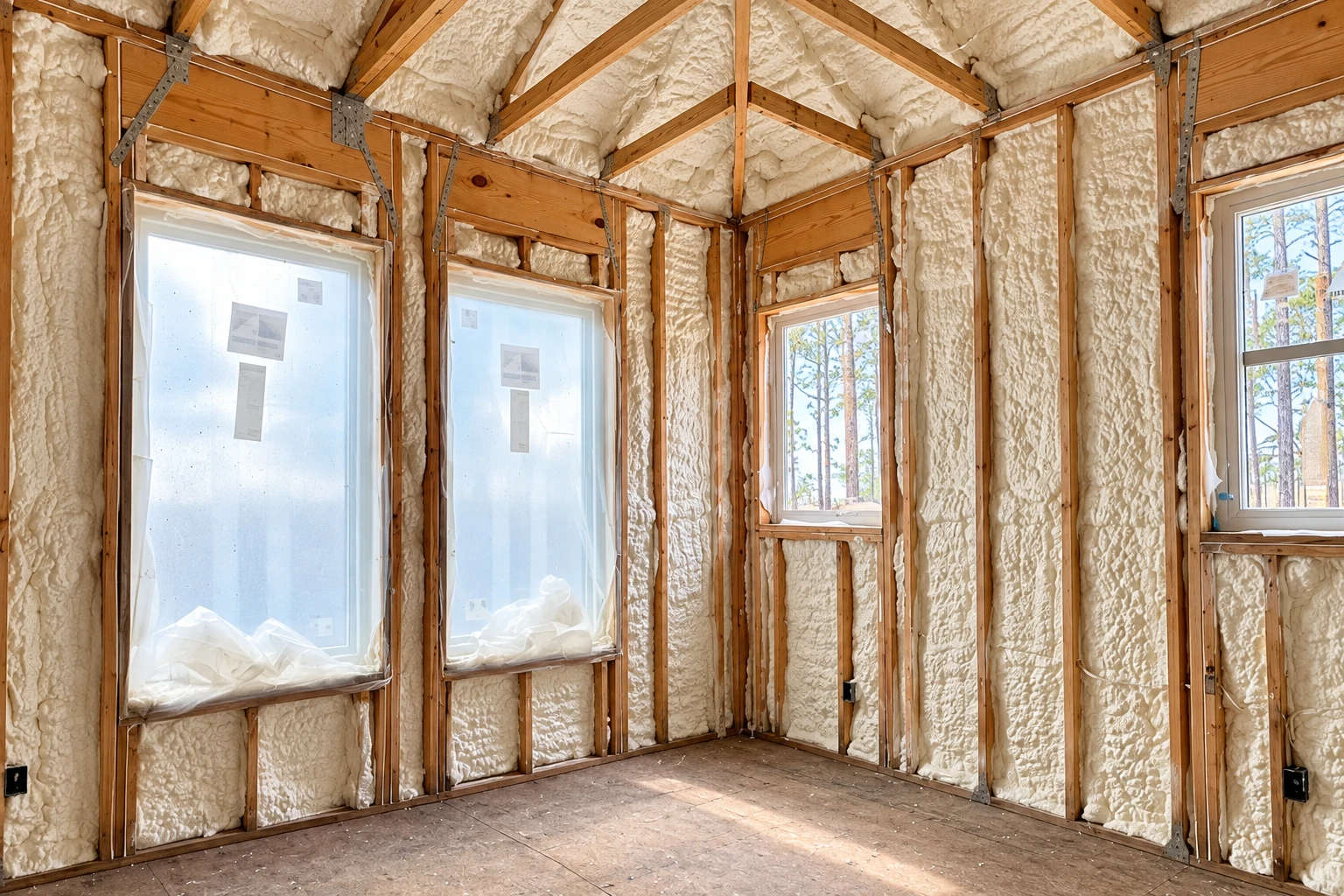
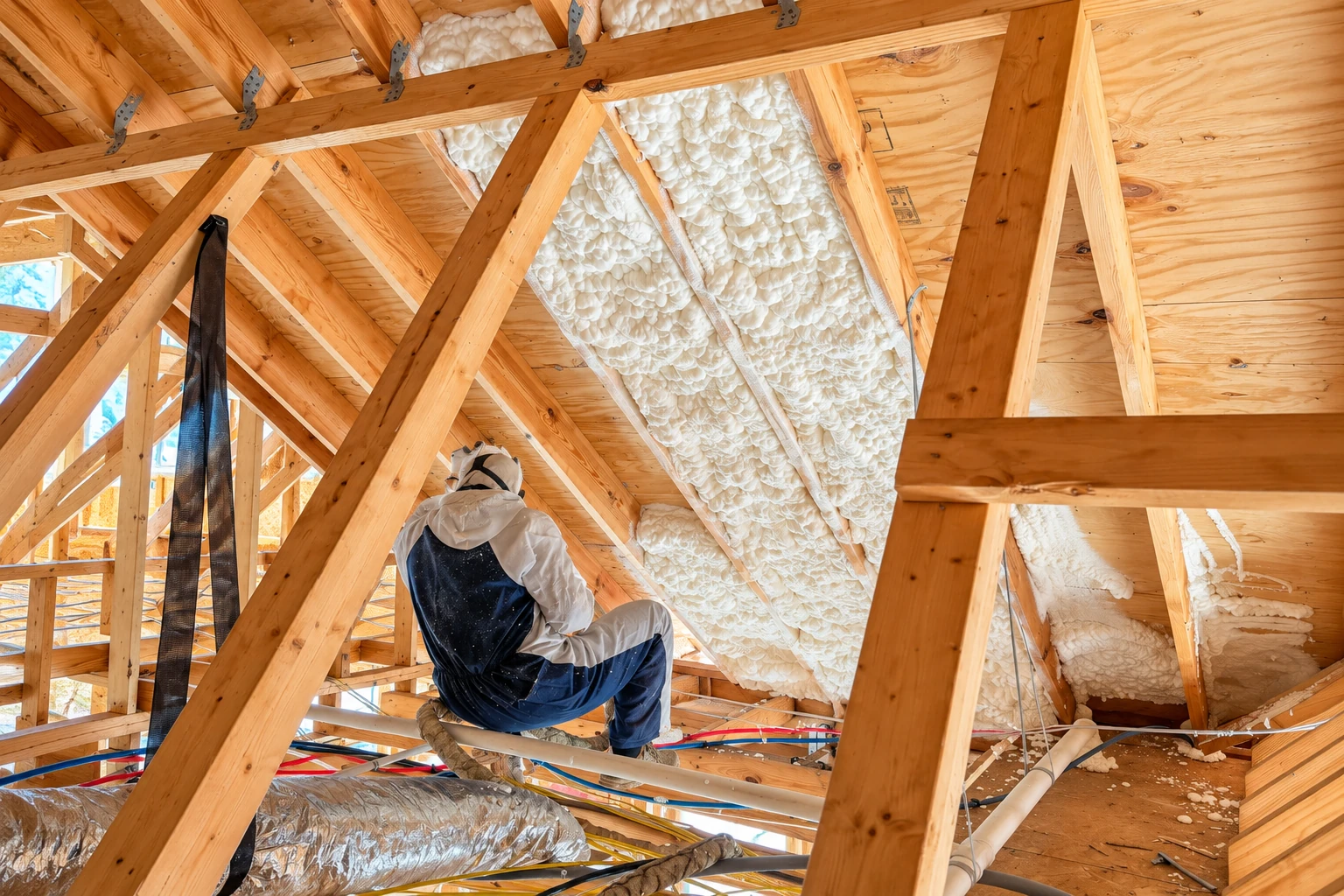
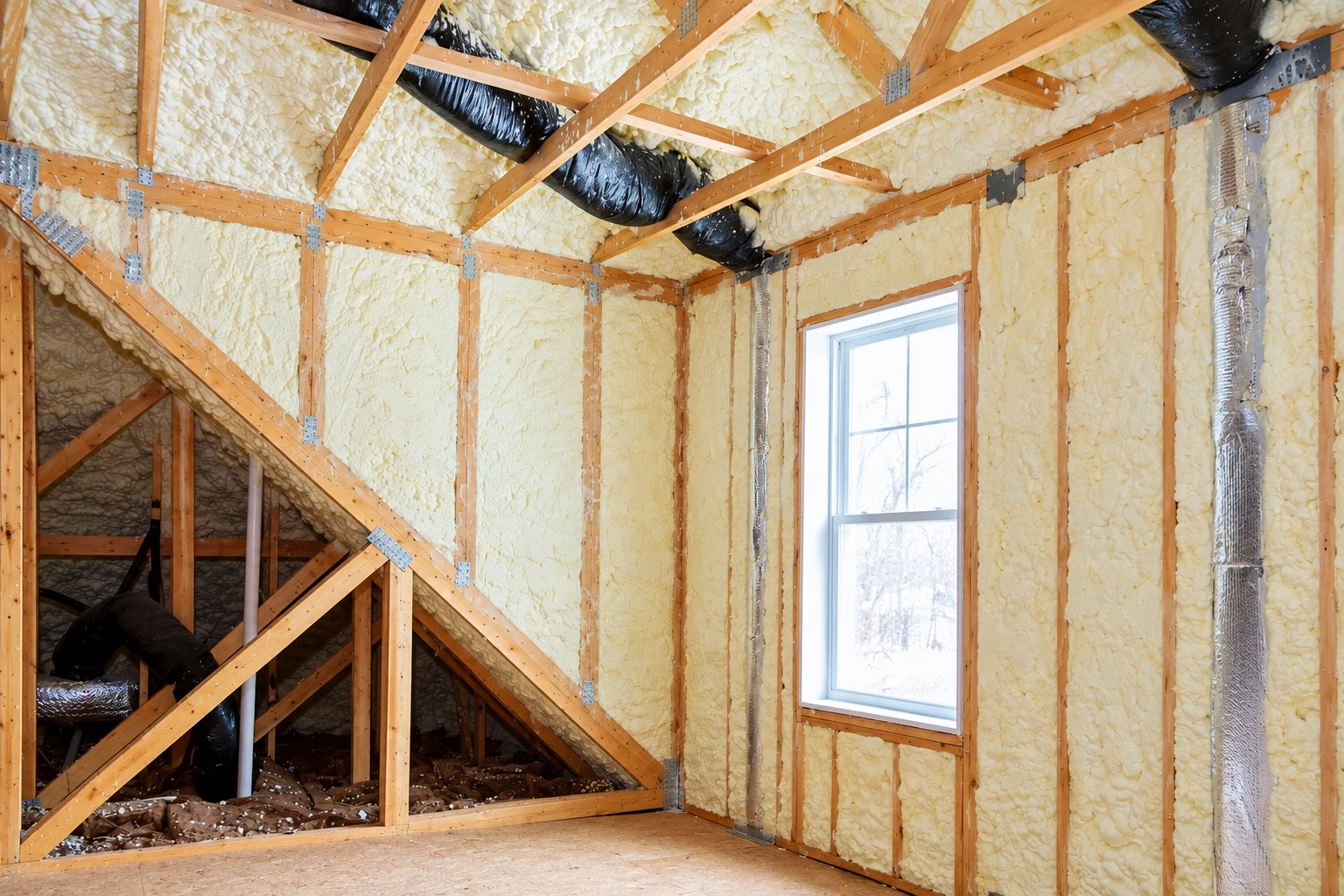
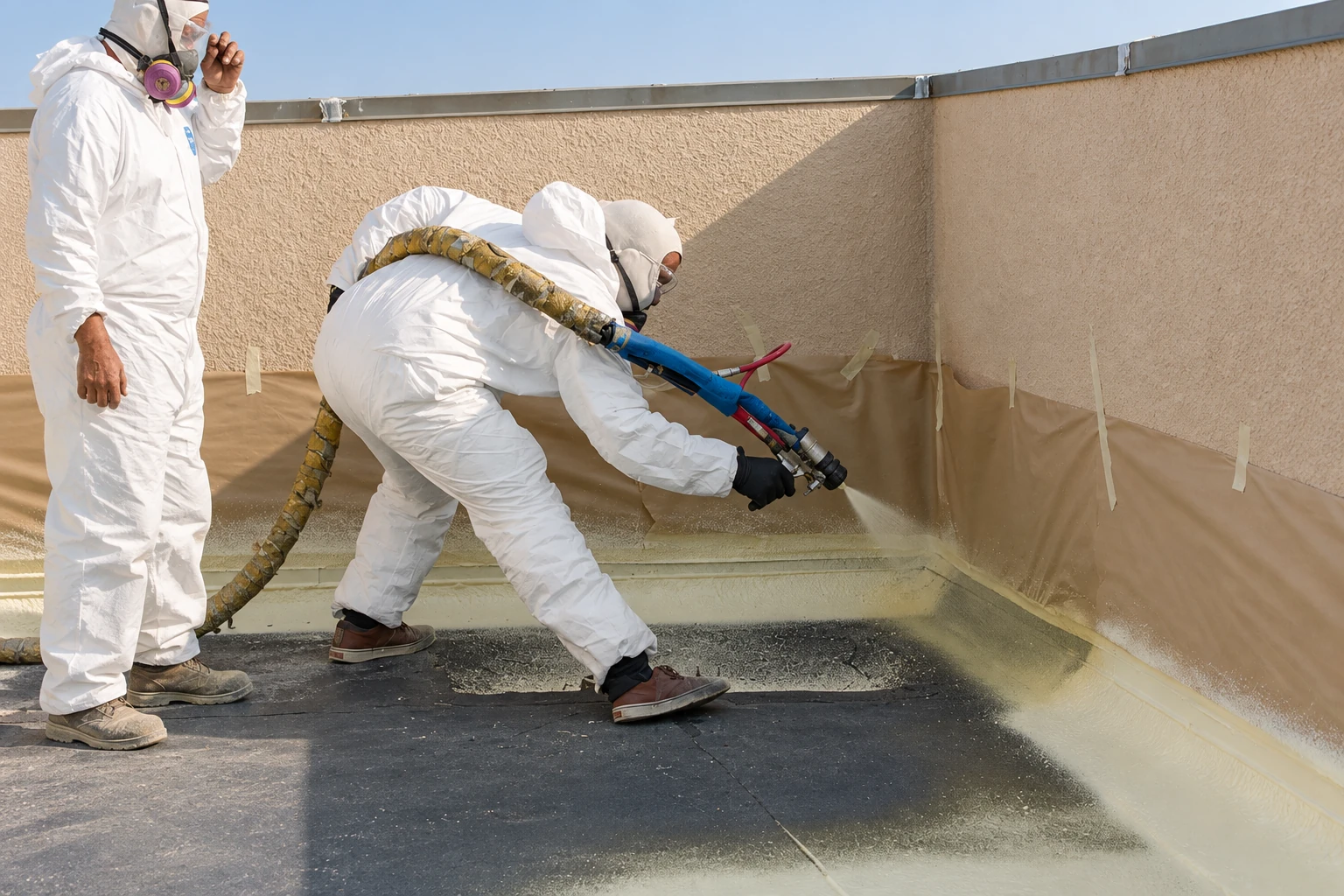
These examples show foam on rim joists, rafters and walls, bare or covered, to help you point out what you'd like for your house.
Here are direct answers to what people ask me most about closed-cell foam, from the price to how long you're out of the house.
Closed-cell spray foam in the Memphis area usually costs about $2,600 to $4,000 for 1,000 square feet sprayed 3 inches thick. That's the going rate around here, not our price, and yours depends on the area, the thickness and how hard the space is to reach. I'll give you a figure for your own job once I've looked it over.
Choose closed-cell where space is tight or moisture is a concern, and open-cell where quieting a room matters more. Closed-cell is about twice as energy efficient per inch, which is part of why it costs more, while open-cell is a much better sound barrier. I often suggest a mix, with each type where it does the most good.
Plan on being out for at least 24 hours, which is what federal safety staff advise. The safe time to come back varies with the product, the house and whether young children or older adults live there. We'll go over the product's guidance with you so you can arrange a place to stay ahead of time.
We check with the city before work starts and take care of any permit and inspection that's ours to handle. Bartlett Code Enforcement reviews and permits projects in the city. Its list names heating and cooling, electrical, siding and windows but not insulation, so we ask. Electrical and heating and cooling permits there must be pulled by a licensed contractor, and the office takes questions at 901-385-6425.
Yes, they should read the product information carefully before the job, and so should anyone with respiratory allergies, a skin condition or a past reaction to spray foam chemicals. If that raises concerns, another kind of insulation can do the job, and I'll gladly price that instead. Please tell us early so I can get you the product details first.
Call (901) 295-2959 or use the form. One visit usually tells us whether closed-cell foam is worth the money for your house.