Water stains on the ceiling
A roof leak leaves insulation heavy, matted and sometimes musty, and it holds moisture against the drywall and framing, so that section comes out once the leak is fixed.
If your attic insulation is damp, moldy, full of droppings or packed flat, we pull out what's ruined and keep what's still sound.
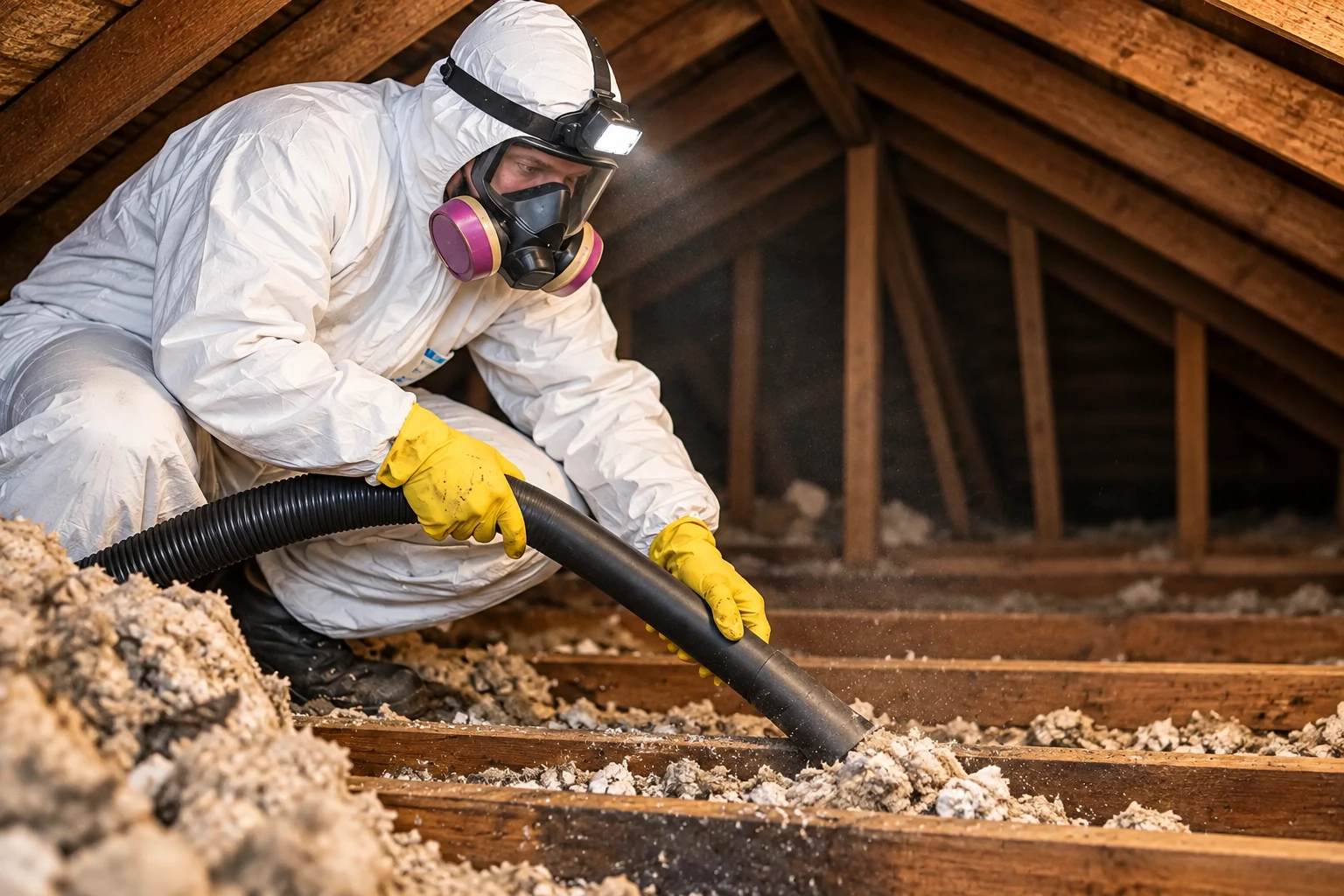
Insulation removal in Bartlett, TN means taking out attic insulation that's wet, moldy, soiled by rodents or squashed to less than half its original thickness, so the next layer goes onto a clean, dry attic. At Comfort Bartlett Insulation Company, I come out and look the attic over myself before we pull anything.
You may have a ceiling stain, a pest problem or an upstairs that won't cool down, and you're wondering whether everything up there has to go. Usually it doesn't. The price turns on how much of the attic is damaged, what the insulation is soaked or soiled with and how tight the attic is to work in, and the schedule depends mostly on the attic's size and whether a leak or a pest entry has to be fixed first. Your on-site estimate is where you'll get your own figure.
I come out to look at your attic and write the estimate myself, and I lead the crew that does the removal, so the person who made the plan is there carrying it out.
Insulation laid over a leak, a damp spot or old wiring only hides the trouble, so we fix the cause first and bring in a licensed electrician when wiring needs work.
If your insulation is sound and removal isn't worth the money, I'll tell you so, because I'd rather lose the job than sell you work your house doesn't need.
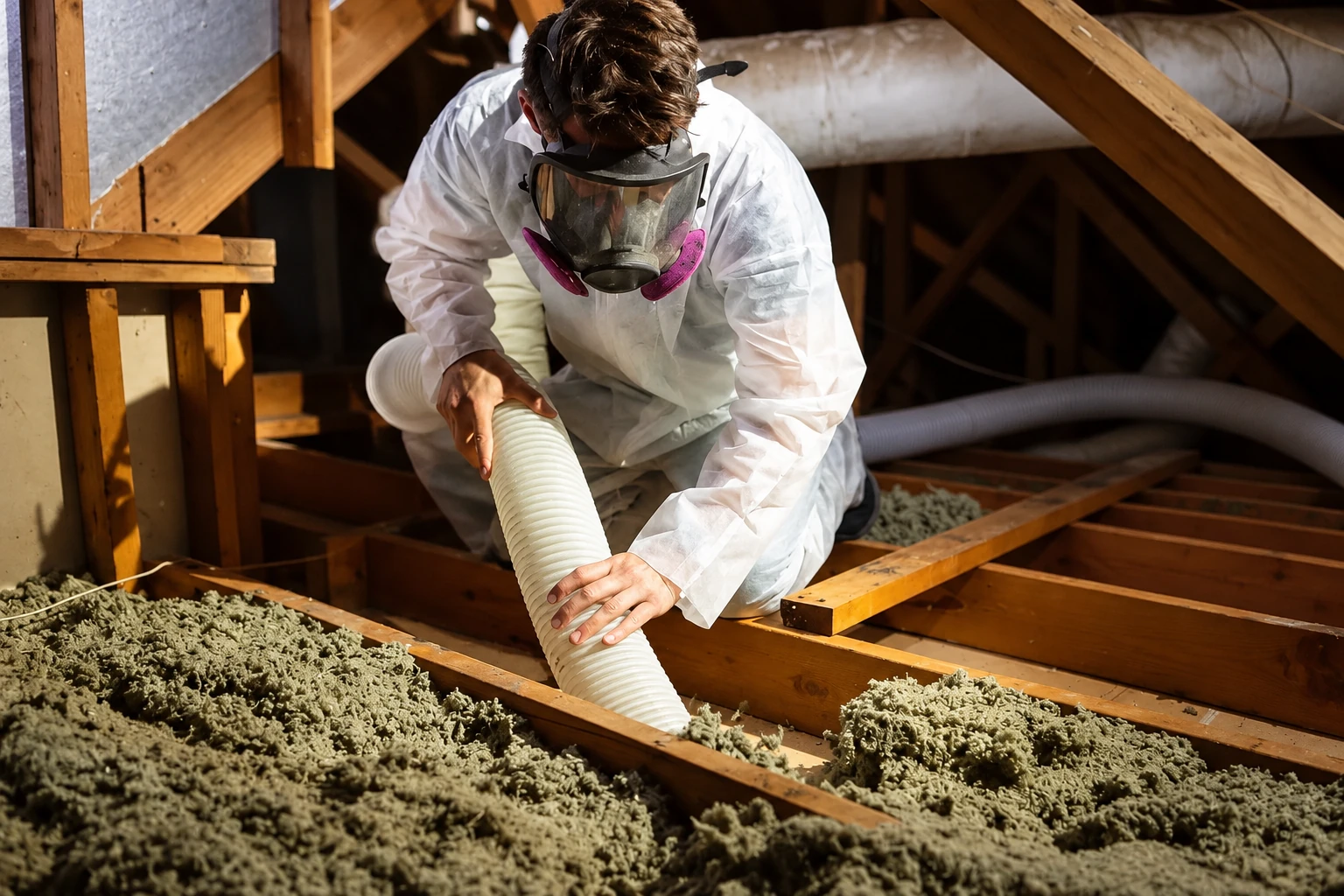
I start in the attic with a flashlight, checking what kind of insulation is up there, how deep it is and which sections are wet, moldy, soiled or packed flat, because dry, clean insulation can often stay and you shouldn't pay to take it out. If I find vermiculite, we stop and leave it alone, and I point you to an accredited asbestos abatement contractor for that part. Otherwise our crew covers the path from your door to the attic hatch, takes out only the ruined sections and clears the attic floor so we can see the framing underneath. That's usually when the cause shows up, whether it's a roof leak, a gap where pests got in or eave vents buried so deep the attic couldn't breathe, and we make sure it's dealt with before anything new goes down. With the old material out, the gaps around can lights, pipes and the hatch are easy to reach, so it's the right time for air sealing, which closes those gaps so the new insulation isn't fighting a draft.
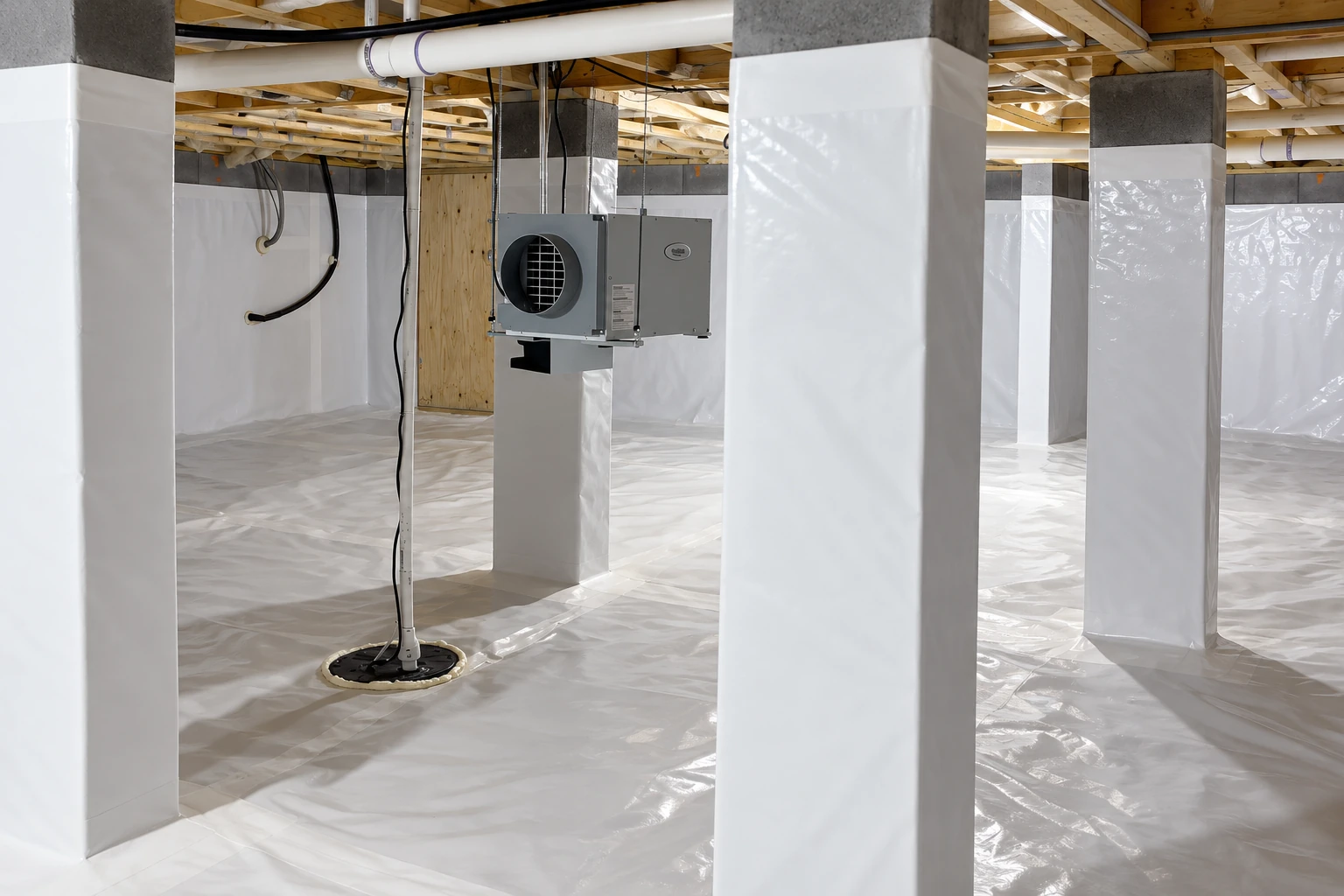
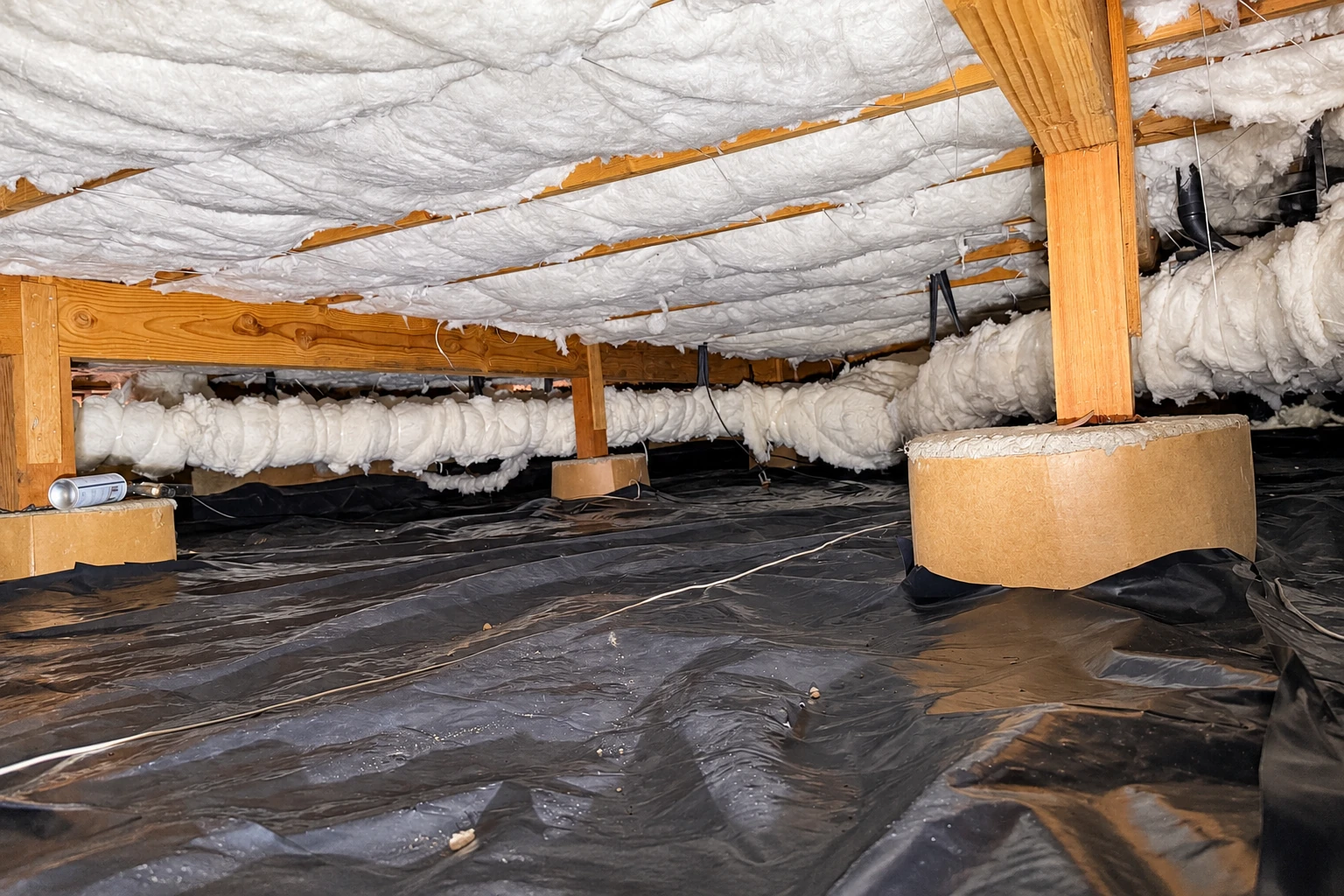
Removal often sits next to other work. When damp or droppings have reached the floor framing, crawl space insulation is usually the next thing to look at, and if a room still feels drafty with a good attic over it, wall insulation may be where the heat is getting out. Once the attic is clean, new attic insulation goes onto a dry, sound surface. Foam costs more and seals air while it insulates, so it's worth it when your ductwork runs through the attic, but otherwise sealing the gaps and topping up with loose fill is usually the better value.
A roof leak leaves insulation heavy, matted and sometimes musty, and it holds moisture against the drywall and framing, so that section comes out once the leak is fixed.
Mice, rats and squirrels tunnel and nest in loose insulation, and what they leave behind stays in it, so soiled insulation comes out instead of getting buried under a fresh layer.
Insulation that's been stepped on, rained on or stacked with boxes can settle into a thin mat, and by then it does little for a hot upstairs or the power bill.
Landlords and property managers often call us when a unit turns over, because the attic is easy to reach and they want a plain account of what's up there.
Send the form and we'll reply within one business day to set up a visit. I'll come out, look the attic over myself and write your estimate on site, free and with no obligation.
The square footage of the house or the attic is a good start, because how much area needs clearing is one of the main things behind the price.
A few pictures taken from the hatch help me plan the visit, but please don't move or poke the insulation, especially if it looks like small gray or gold pebbles.
Ceiling stains, smells, droppings or a room over the garage that never stays comfortable all tell me where to look first when I'm up in your attic.
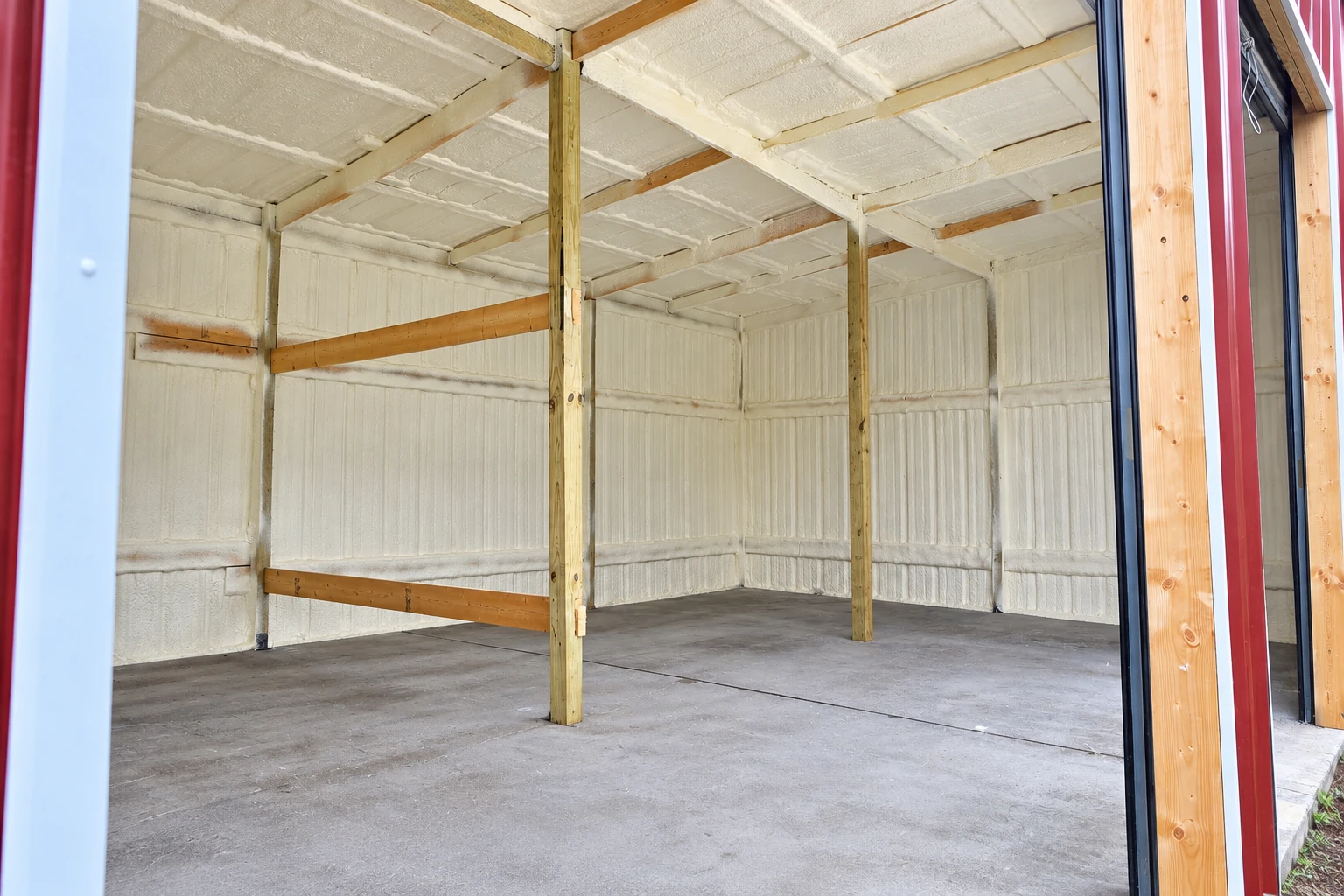
These photos show common attic insulation types, conditions and layouts, so you can point to what looks like yours when we talk.
Straight answers to what people in Bartlett ask about pulling old insulation out of an attic and what comes after it.
Not usually, as long as the old insulation is dry and clean. One cost guide says insulation free of mold and pests can stay with a new layer added on top, and that age by itself isn't a reason to tear it out, so sound insulation costs you nothing to keep. Wet, moldy, soiled or flattened sections come out first.
Vermiculite looks like small pebbles poured between the attic joists, usually gray-brown or silver-gold. EPA says to treat it as if it contains asbestos, which means leaving it undisturbed, or having a trained professional take it out if it has to go, with no testing needed first. If you think you see it, stay off it and tell us before we come.
EPA says a trained, accredited asbestos abatement contractor should remove it, and not the same company that assessed your insulation. Federal law doesn't require accreditation in a detached single-family home, though some states and localities do, and EPA still advises hiring accredited workers. We're licensed and insured, but this part isn't our work, so I'll point you to an abatement contractor.
Yes. In the Memphis/Shelby County area, the Shelby County Health Department requires an asbestos survey by an accredited person before demolition or renovation, though single residential structures can be exempt from its removal rule. Regulated jobs, such as removing 160 square feet or more of asbestos from parts other than pipes, need notice at least ten working days ahead. Call the department about your house.
Removing clean blown-in insulation, the loose fill blown in through a hose, usually costs about $1 to $2 per square foot across the US. That's the market's range, not our price. Wet or pest-soiled material costs more per square foot, and vermiculite or confirmed asbestos is quoted as a whole project covering abatement, containment, permits and an air check afterward. Your estimate gives your own figure.
Ask the city, because Bartlett's permit list doesn't mention insulation removal. The Code Enforcement office permits all projects in the city, and its list names HVAC, electrical work and siding, so call Code Enforcement at 901-385-6425. Here and in the other cities we work in around Memphis, we check with the city or county office first and take care of any permit and inspection that's ours.
Our phones are open every day until 11 at night, so call (901) 295-2959 after work or send the form with a few photos.