
Spray foam insulation
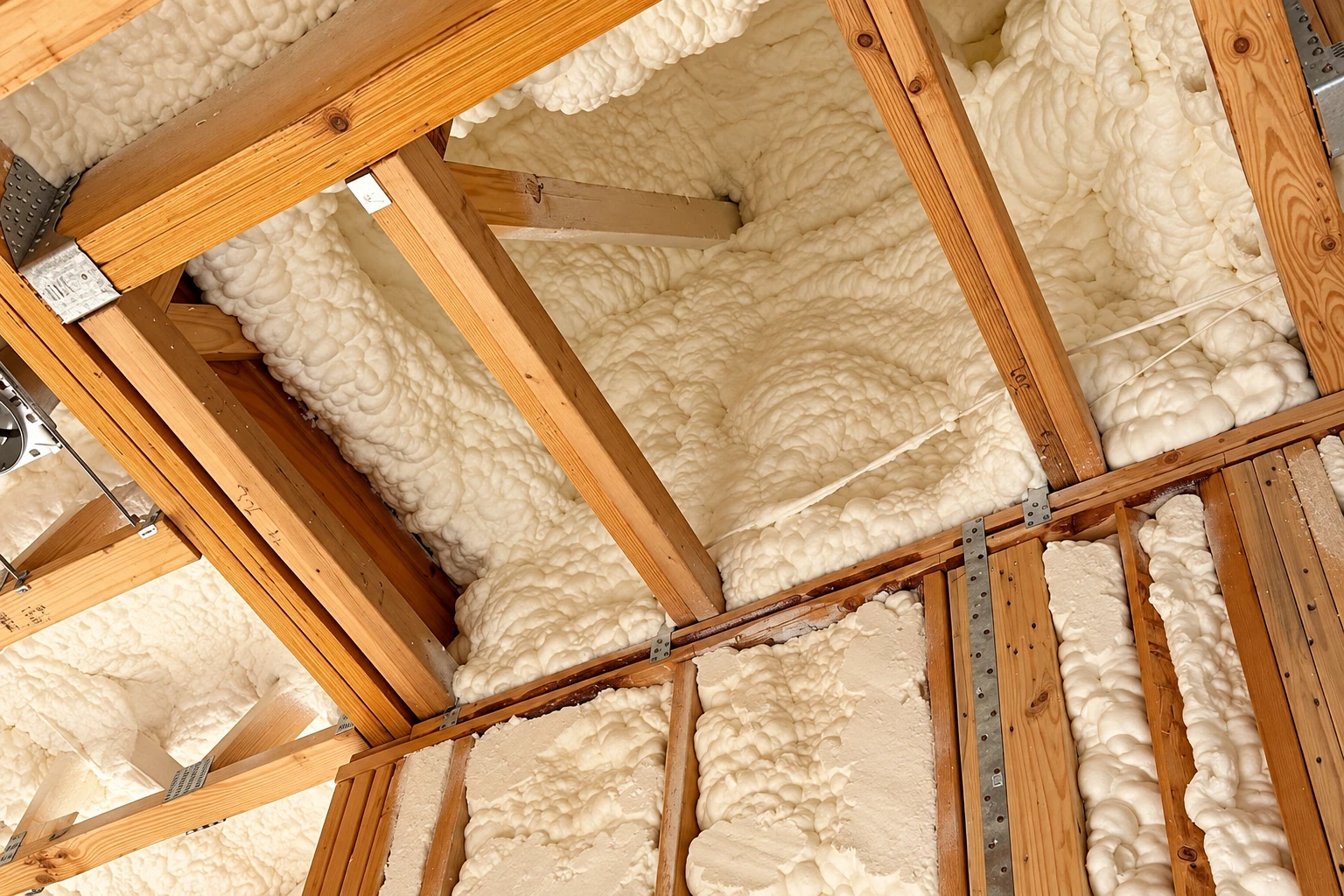
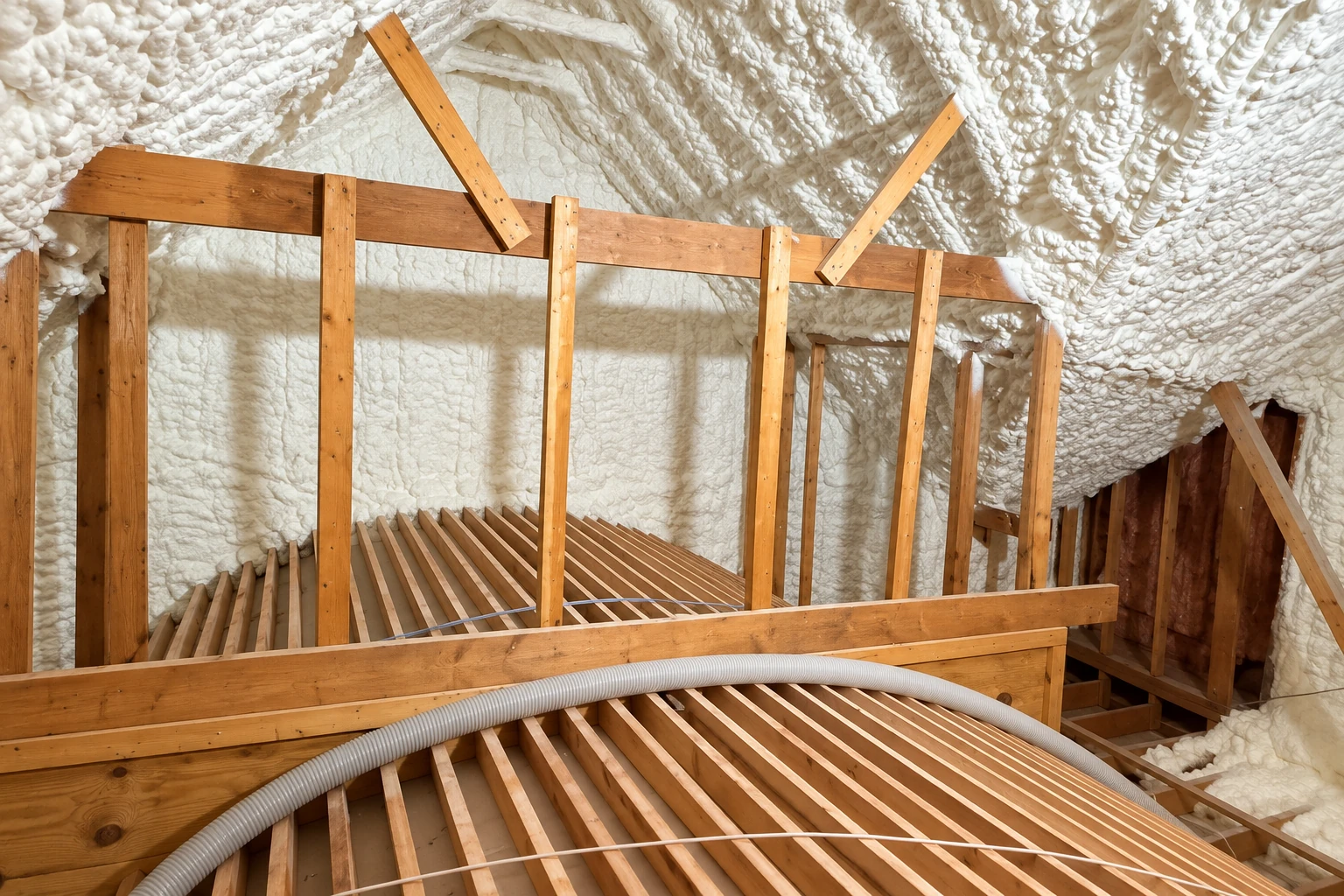
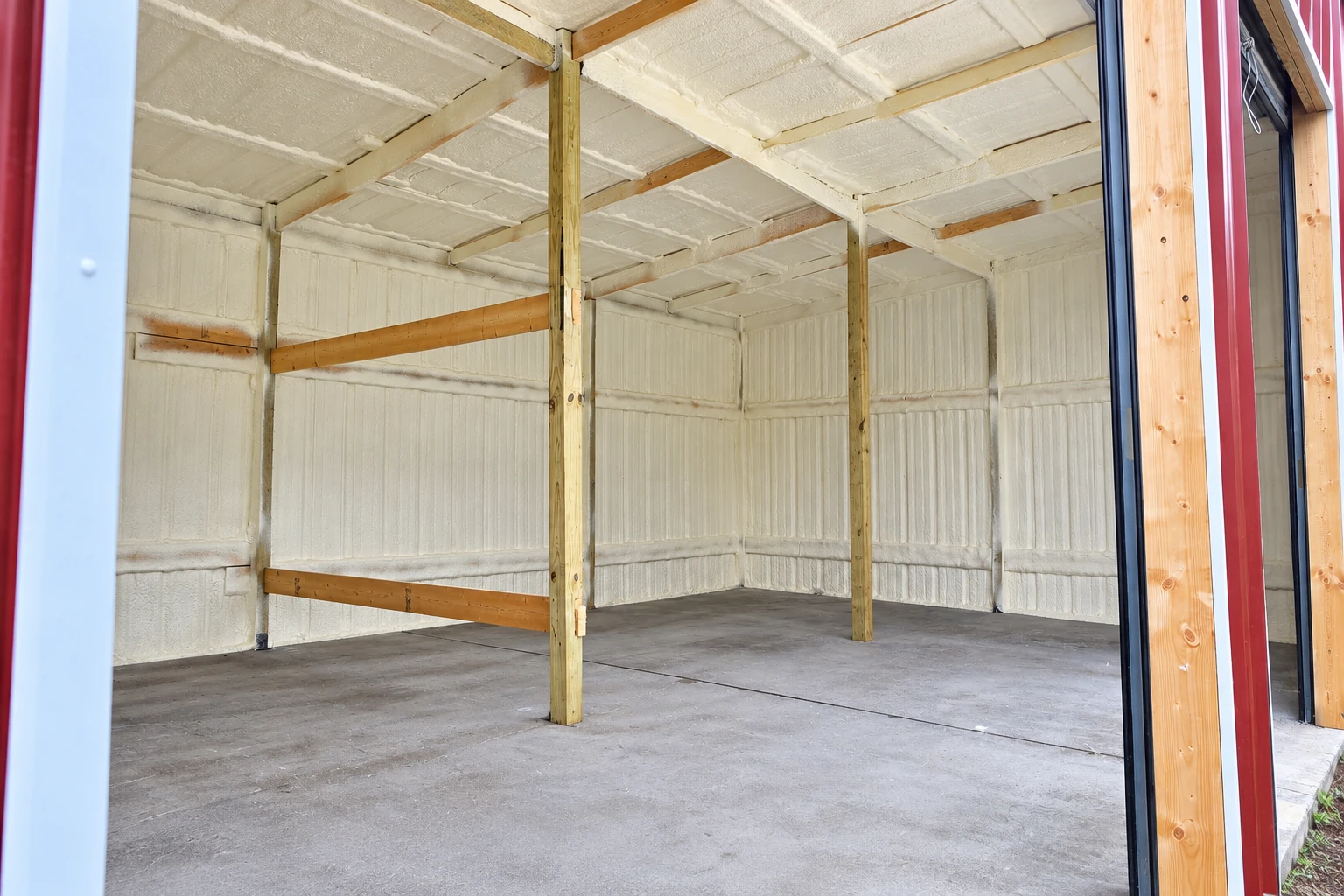
Foam seals air while it insulates, which matters most when ductwork runs through a hot attic. It costs more, so I'll tell you plainly if loose fill would do the job.
Comfort Bartlett Insulation Company insulates attics, walls and crawl spaces in Atoka, TN. We look the house over first, clear out anything that shouldn't stay, seal the gaps and then add insulation that fits the house.
Atoka sits just north of the Shelby County line, a short drive up from our base in Bartlett. Most of the calls we take there come from subdivision homes where the upstairs runs hot by late afternoon or the room over the garage never quite keeps up. We do the same work in nearby Millington and down in Collierville, and Atoka's newer streets usually give us a fairly consistent attic to start from.
The price comes down to how many inches are already up there and what shape they're in, how many gaps need sealing, and whether your house calls for foam or loose fill. The schedule turns on how easy the attic or crawl space is to reach and whether old material has to come out before anything new goes in. Foam costs more and seals air as it insulates, so I usually recommend air sealing, which closes the gaps before insulating, and then topping up the blown-in, the loose fill we blow through a hose, unless your ductwork lives in the attic. Your own figure comes from the estimate I write on site. Atoka's residential code calls for floor, roof and wall framing on 16-inch centers or less, with 24-inch wall framing allowed only with 2x6 studs or larger, so we usually know the cavity size before we open a wall and can plan the material to fit it.
If what's up there was soaked by a roof leak or is full of droppings, we take it out before adding anything, because fresh material laid over a problem just keeps the problem.
We seal around can lights, pipes and the attic hatch before we fill, keep the eave vents clear so the attic still breathes, and carry full depth out to the edges.
Atoka's code rates termite risk as moderate to heavy, so I check the sills and joists before we insulate a crawl space, because insulation over damaged wood only hides it.
Foam seals air while it insulates, which matters most when ductwork runs through a hot attic. It costs more, so I'll tell you plainly if loose fill would do the job.
We measure how many inches are already up there, clear out anything soaked or dirty, seal the gaps and bring the whole attic up evenly, edges included.
We run the hose from the truck outside, so the mess stays out of your rooms, and we check depth across the attic floor so it comes out even.
When several rooms feel drafty, we look at the attic, walls and crawl space together and start with whichever one is costing you the most on the power bill.
Insulation soaked by an old leak or full of droppings comes out before anything new goes in, and we bag it and haul it away so your house stays clean.
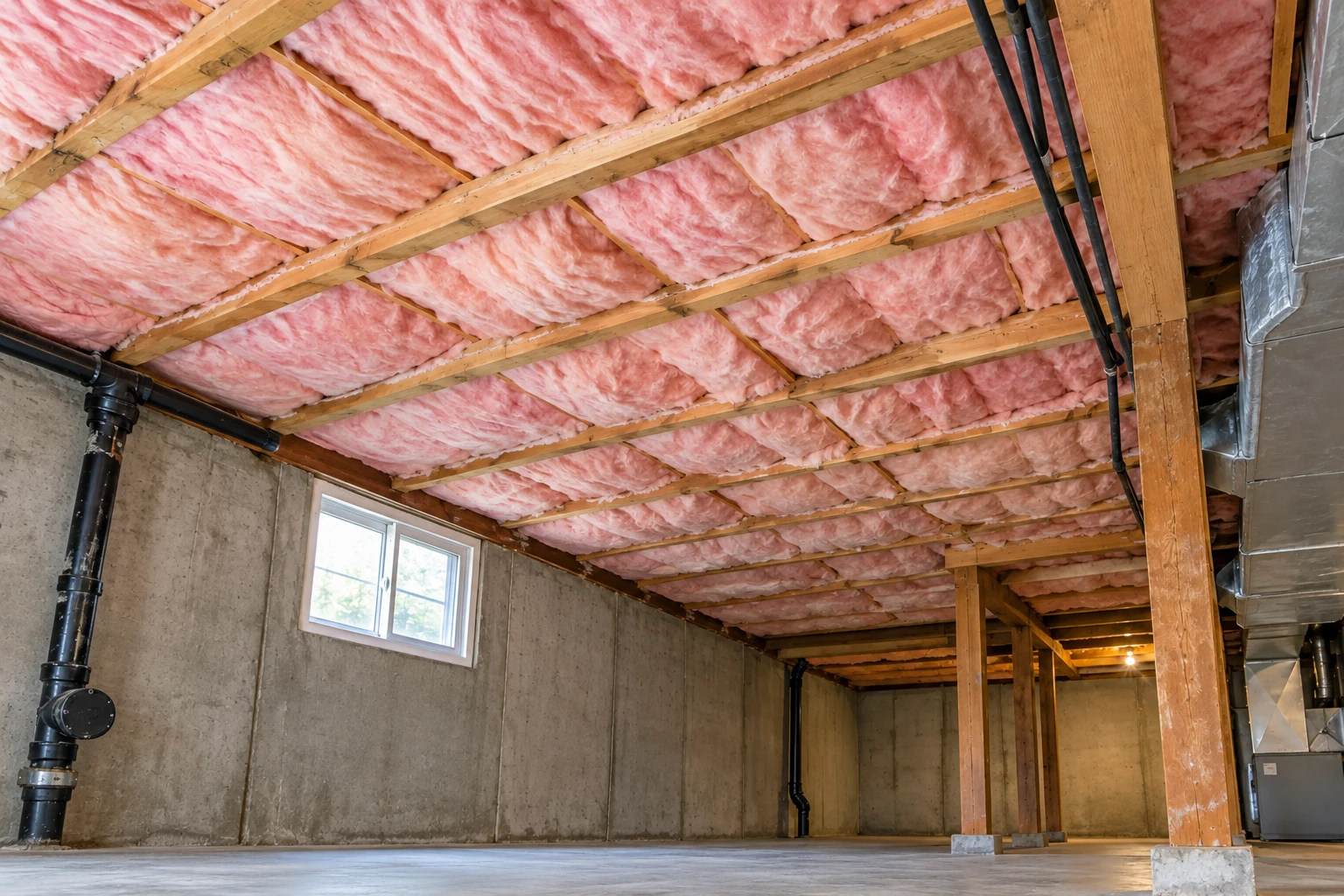
Cold floors over a crawl space usually trace back to missing or fallen insulation under the subfloor. We check the wood and the moisture before we put anything back.
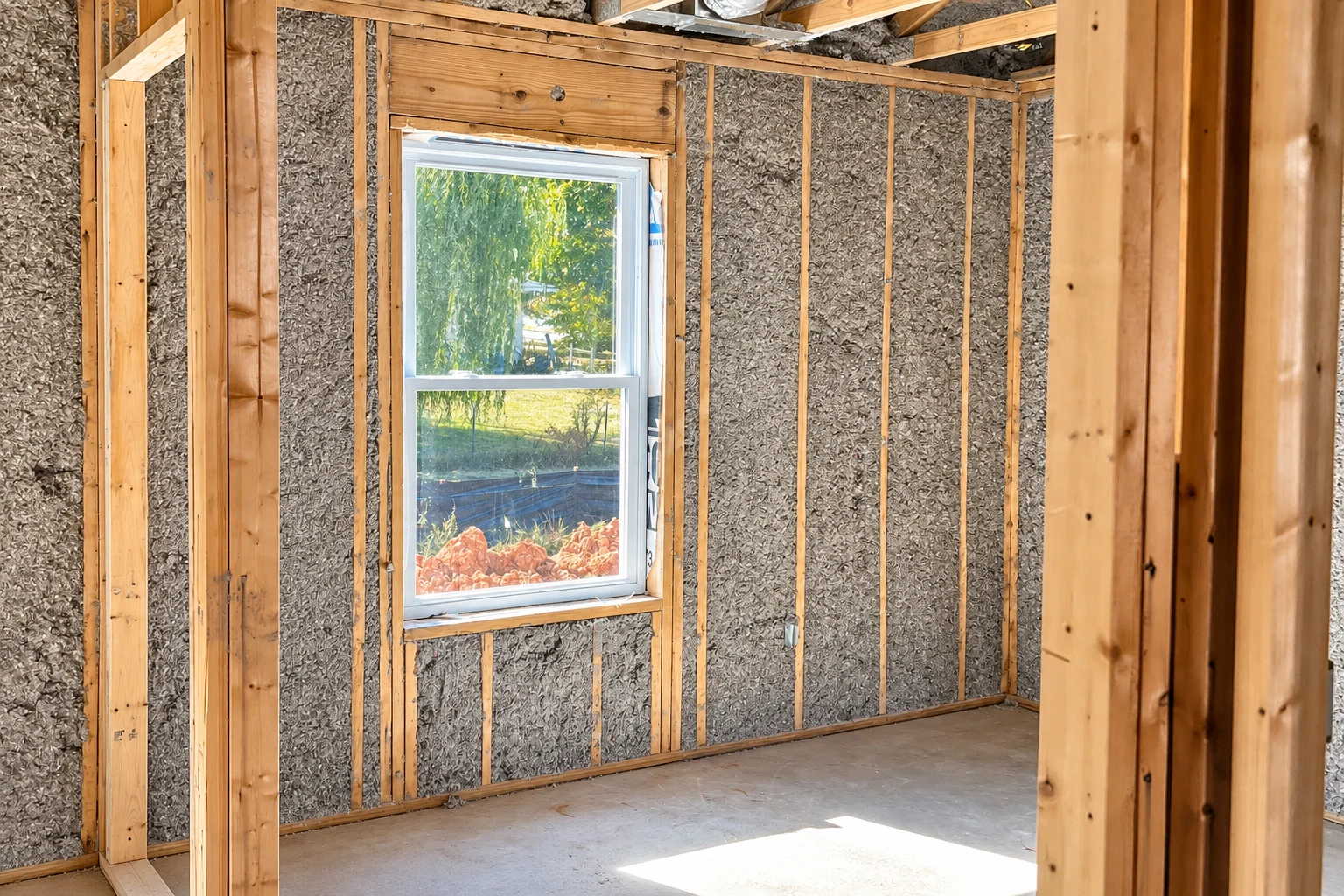
For walls with little or nothing inside them, we fill the cavities through small holes and patch them, so you keep your finished walls in place.
We close the openings around pipes, wiring, can lights and the hatch, so warm or cool air stops slipping between your rooms and the attic.
Where a house has a basement or a block foundation wall, we pick material that handles some dampness and won't hold water against the wall.
Closed-cell foam is dense and blocks moisture, so we use it where water is the concern, like rim joists and crawl space walls.
Open-cell foam is softer and lighter, a good fit for sealing and quieting a roofline when the ductwork lives in the attic and moisture isn't the worry.
Offices, shops and rental properties get the same order of work, looking first, sealing, then insulating, scheduled around your business hours or your tenants.
A heavy plastic sheet laid over the dirt and lapped up the walls keeps ground moisture out of the crawl space, so the wood and insulation stay dry.
We place a vapor barrier where it belongs in the wall or floor for this climate, because a barrier in the wrong spot can trap moisture instead of stopping it.
Before an attic gets topped up, we seal the top plates, pipe openings and hatch from above, so the new insulation isn't fighting a draft.
For houses that already have some insulation, we add to what's there instead of starting over, as long as the old material is dry and clean.
Send the form and we'll reply within one business day to set a time. I come out, look over your attic or crawl space, and write a free estimate with no obligation.
I look the job over and write the estimate myself, then lead the crew that does the work, so what we talked about in your driveway is what gets done.
If a job isn't worth the money for your house, I'll tell you so, because I'd rather lose the sale than sell you insulation your home doesn't need.
We're licensed and insured, and when a job turns up wiring, gas or heating and cooling work, we bring in a licensed contractor in that trade for that part.
Here are answers to questions Atoka homeowners ask us about permits, timing and what the day of the job looks like.
Permit requests start on the Apply for a Permit page under Planning & Inspection on the Town of Atoka website. Atoka's residential code provides permits for alteration, repair, replacement and removal work on one- and two-family homes and townhouses up to three stories. Before we start, we check with Atoka about what your job calls for and handle any permit and inspection that's ours.
Under Atoka's building code, a permit becomes invalid if no inspection happens within 180 days of it being issued, or if 180 days pass without the next required inspection. When a permit is ours to handle, we keep that window in mind when we schedule the work and the inspections.
With blown-in loose fill, most families stay home, because we work from the attic with a hose run from the truck outside. Spray foam is different, since the foam maker sets the re-entry time, the wait before you, your kids and your pets come back inside, and I'll tell you that wait at the estimate so you can plan around it.
As an insulation contractor based in Bartlett, TN, we work in cities across the Memphis area, including over the state lines in Mississippi and Arkansas. If your city isn't listed, call and ask.
We take calls from 6 AM on weekdays and 7 AM on weekends until 11 PM, so call (901) 295-2959 when it suits you.