
Spray foam insulation
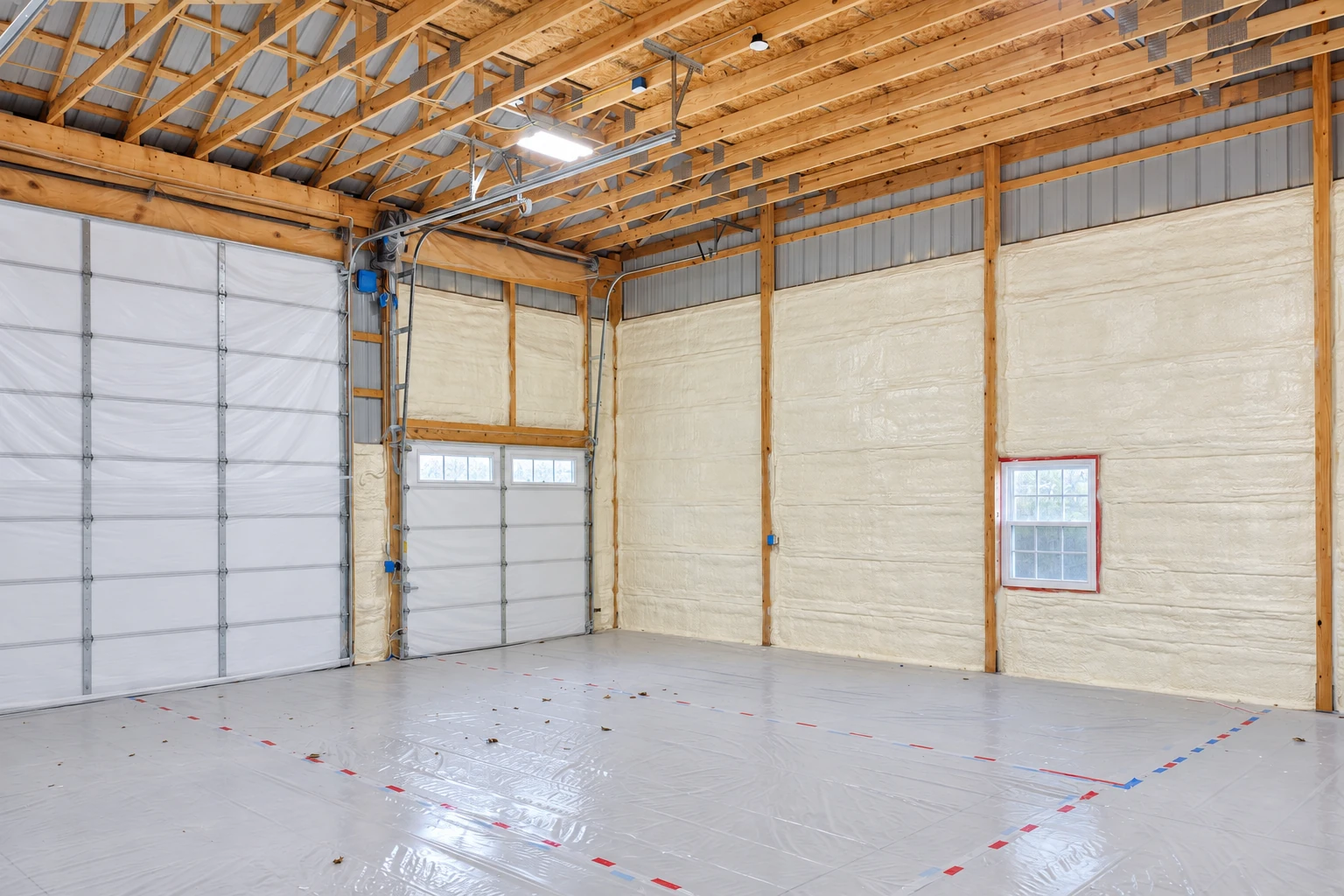
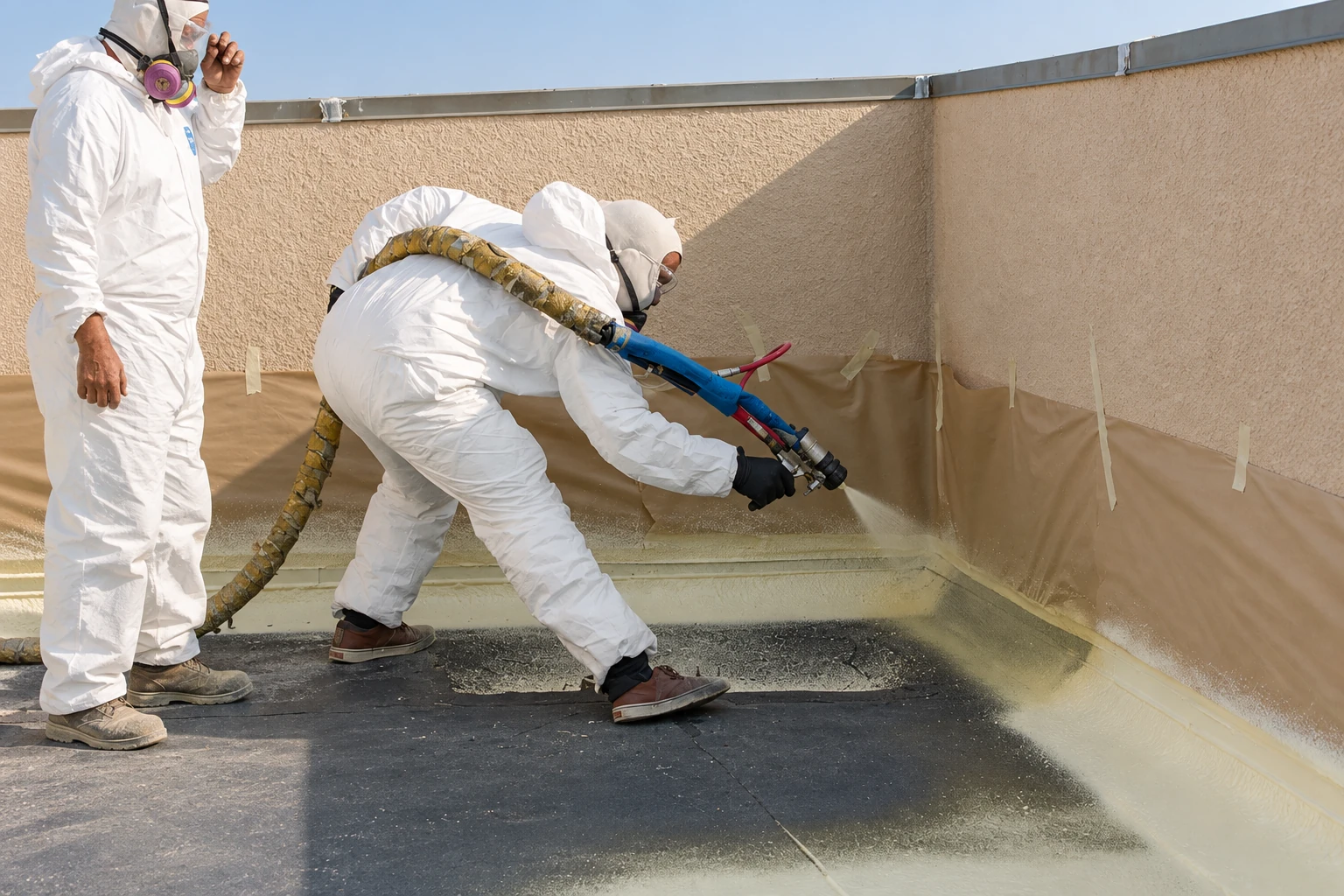
Foam sprayed onto the roof deck or into walls insulates and seals air in one step, which earns its higher cost when your ductwork runs through a hot attic.
Comfort Bartlett Insulation Company insulates attics, walls and crawl spaces for homes in Oakland, TN, and seals the gaps that leave rooms drafty or hot upstairs. We're based nearby in Bartlett.
Oakland has grown quickly since Highway 64 was widened to four lanes, and many of the families moving in work over in Shelby County and wanted a more affordable house. We're an insulation contractor based in Bartlett, TN, and a good many of the houses I'm called to out here went up during that growth, much like the ones we work on in Arlington and Lakeland.
In houses of that age, the attic is usually where the trouble starts, with the room over the garage running hot and the insulation settled thin at the edges. What moves the price is how much space there is to cover, how many inches are already up there and whether old material has to come out first because it's damp or full of droppings. The schedule turns on the same things, plus whether the crawl space needs work too. Your own figure comes from the estimate, once I've seen the house. On most of these homes, the job comes down to sealing the gaps around lights, pipes and the hatch, then bringing the edges up to the same depth as the middle.
I check for roof leaks, damp spots, droppings and old wiring first, because insulation laid over any of them only hides the problem until it shows up in the framing.
Before work starts, I check with the city or county office about what your job calls for, and we take care of any permit and inspection that's ours to handle.
I come out to look at the job and write the estimate myself, then lead the crew that does the work, so nothing gets lost between the visit and the install.
Foam sprayed onto the roof deck or into walls insulates and seals air in one step, which earns its higher cost when your ductwork runs through a hot attic.
We measure the inches already up there, seal the gaps around lights and pipes, and keep coverage full at the edges, where the room over the garage usually loses heat.
Blown-in insulation is loose fill blown through a hose, so it settles into corners and around framing, and it's usually the sensible way to top up a thin attic.
We look at the attic, walls and crawl space together, so your money goes where the heat is actually getting in rather than where it's easiest to reach.
When old insulation is soaked or full of droppings, we vacuum it out and clean up before adding anything, because new material over a mess keeps the problem.
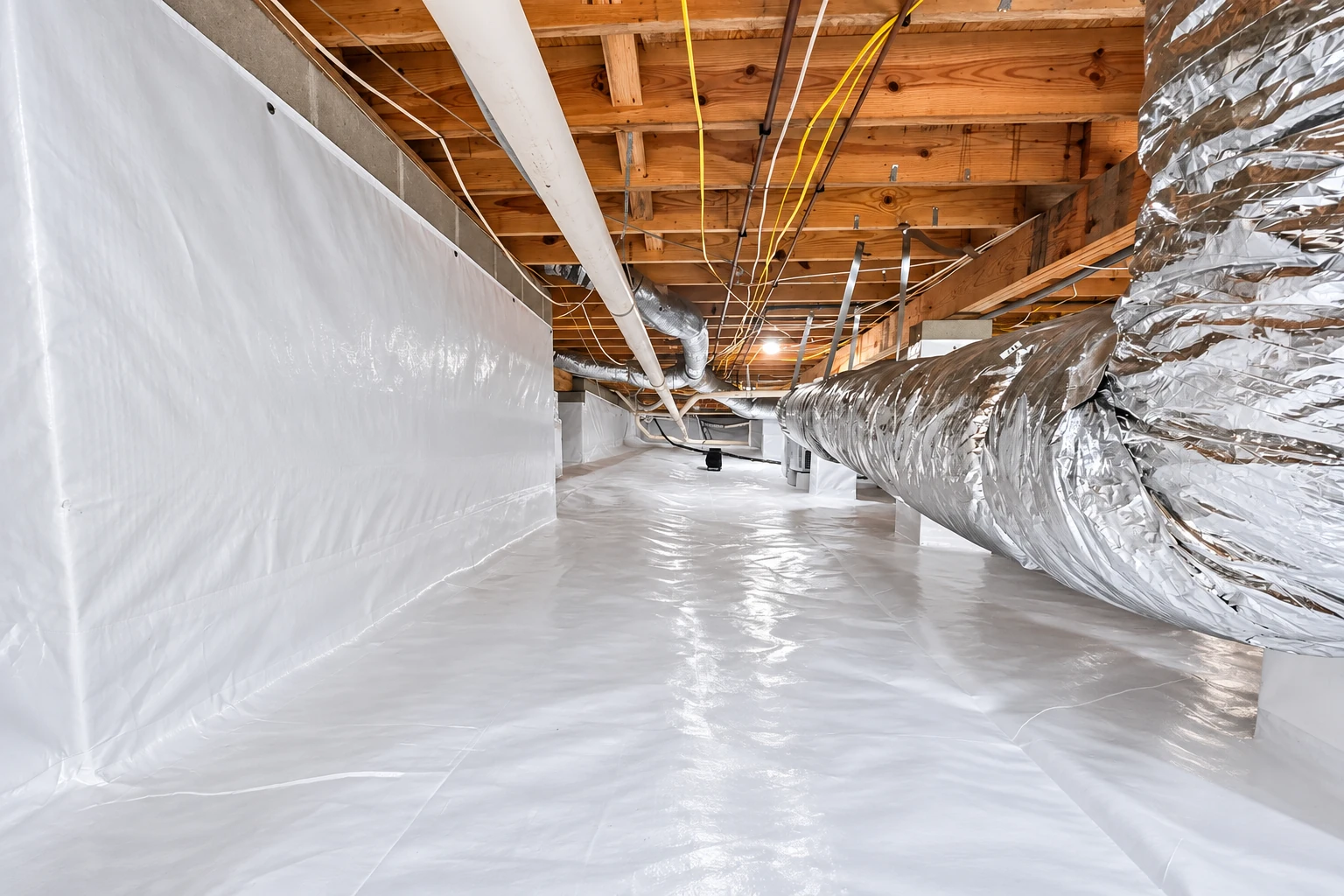
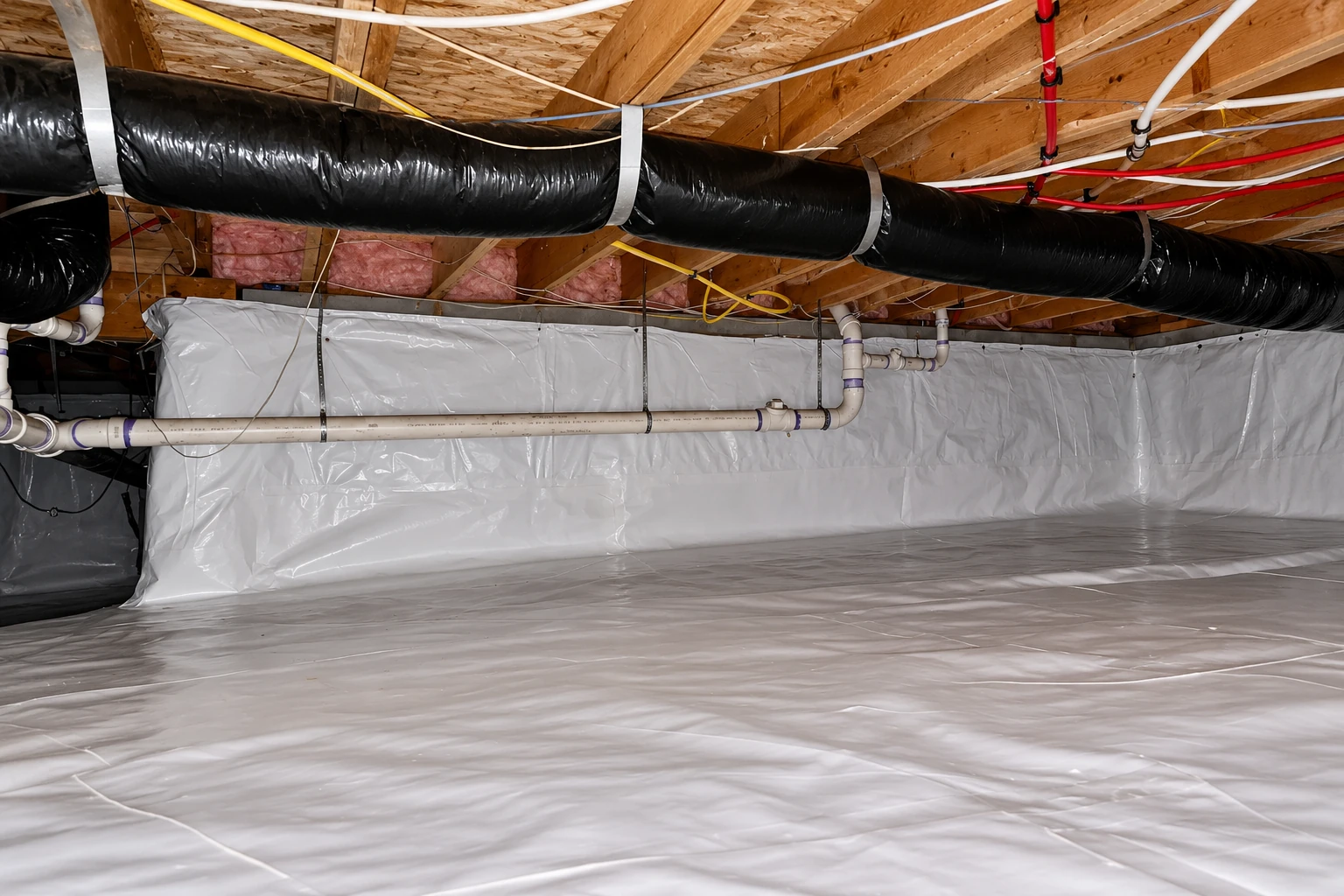
Insulating under the floor helps with cold floors, but we check for standing water or damp soil first, since insulation in a wet crawl space won't last.
For finished walls, we fill the cavities through small holes and patch them, which suits rooms that stay drafty no matter where you set the thermostat.
Air sealing is closing the gaps around pipes, wires, can lights and the attic hatch before we insulate, so the new insulation isn't fighting a draft.
Basement walls stay cool and can collect moisture, so we choose a material that won't trap damp against the concrete and still leaves the room comfortable to use.
Closed-cell foam is dense enough to block moisture as well as heat, so we reach for it on rim joists and in spots where damp air would soak ordinary insulation.
Open-cell foam is softer and lighter, so it fills odd-shaped cavities and quiets sound, and it works well under a roof deck when the attic stays dry.
For offices, shops and rental properties, we plan the work around your hours and tenants and keep the site tidy, which matters to the property managers who call us.
A heavy plastic liner over the dirt keeps ground moisture from rising into the floor framing, and we lap and seal the seams so it stays put.
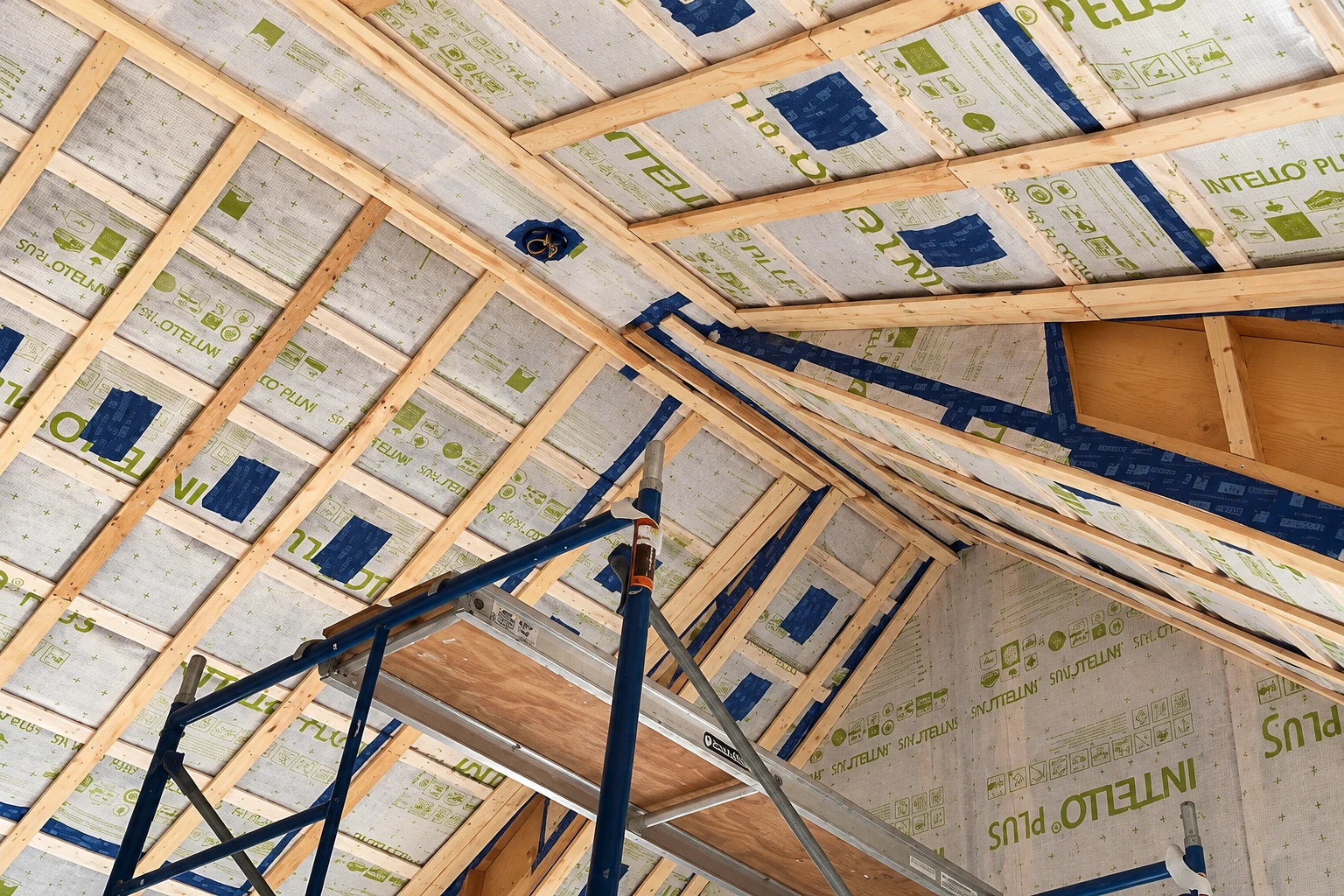
We put a vapor barrier on the side of the wall or floor where it belongs, because one in the wrong spot can trap moisture instead of stopping it.
Before any insulation goes in, we seal the hatch, the gaps around flues and pipes and the tops of interior walls, where attic drafts usually start.
Adding insulation to a finished house means working around rooms, wiring and existing material, so we look it all over before suggesting anything.
Send the form and we'll reply within one business day to set a time. I'll come out, look over your attic or crawl space and write the estimate, with no obligation to go ahead.
We're licensed and insured, and when a job turns up wiring, gas or heating and cooling work, I bring in a licensed contractor in that trade for that part.
If your attic already has enough and the trouble is a few open gaps, I'll tell you so, because I'd rather lose a sale than sell you something your house doesn't need.
Our work is satisfaction guaranteed, and our crew treats your home with courtesy, covering the floor under the attic hatch and cleaning up before we leave.
These are the questions Oakland homeowners ask us before an insulation job, about permits, licensing, which material to use and whether to leave the house.
If your house is inside Oakland's limits, start with the Town of Oakland's Building & Code Enforcement department, which provides the building permit information. Outside those limits, Fayette County requires a building permit for work on any building or structure in its permitting area, including alterations, repairs and improvements. Before we start, I check with the right office and handle any permit that's ours to handle.
It can, depending on your county and the size of the job. The state's contractor licensing page says a Home Improvement license is required for residential remodeling from $3,000 to less than $25,000, counting materials and labor, in the counties it lists, which include Shelby. Check that list for your county, and know that we're licensed and insured.
For most attics, sealing the gaps and topping up blown-in insulation is the better value. Foam costs more, but it seals air as it insulates, so it earns its price when your ductwork runs through the attic and you want that space kept closer to indoor temperature. I'll tell you plainly which one your house calls for.
For blown-in insulation, you can usually stay home, since the work happens up in the attic and the hose runs from our truck. Spray foam is different, because the foam maker sets a re-entry time, the wait before anyone can come back inside, and we follow it. I'll tell you that wait before we start, so you can plan for the kids and pets.
Oakland is one of the cities we work in from our base in Bartlett. If your city isn't listed here, call or send the form and ask.
Call (901) 295-2959 or use the form to describe the hot room or cold floor, so I know what to check when I come out.