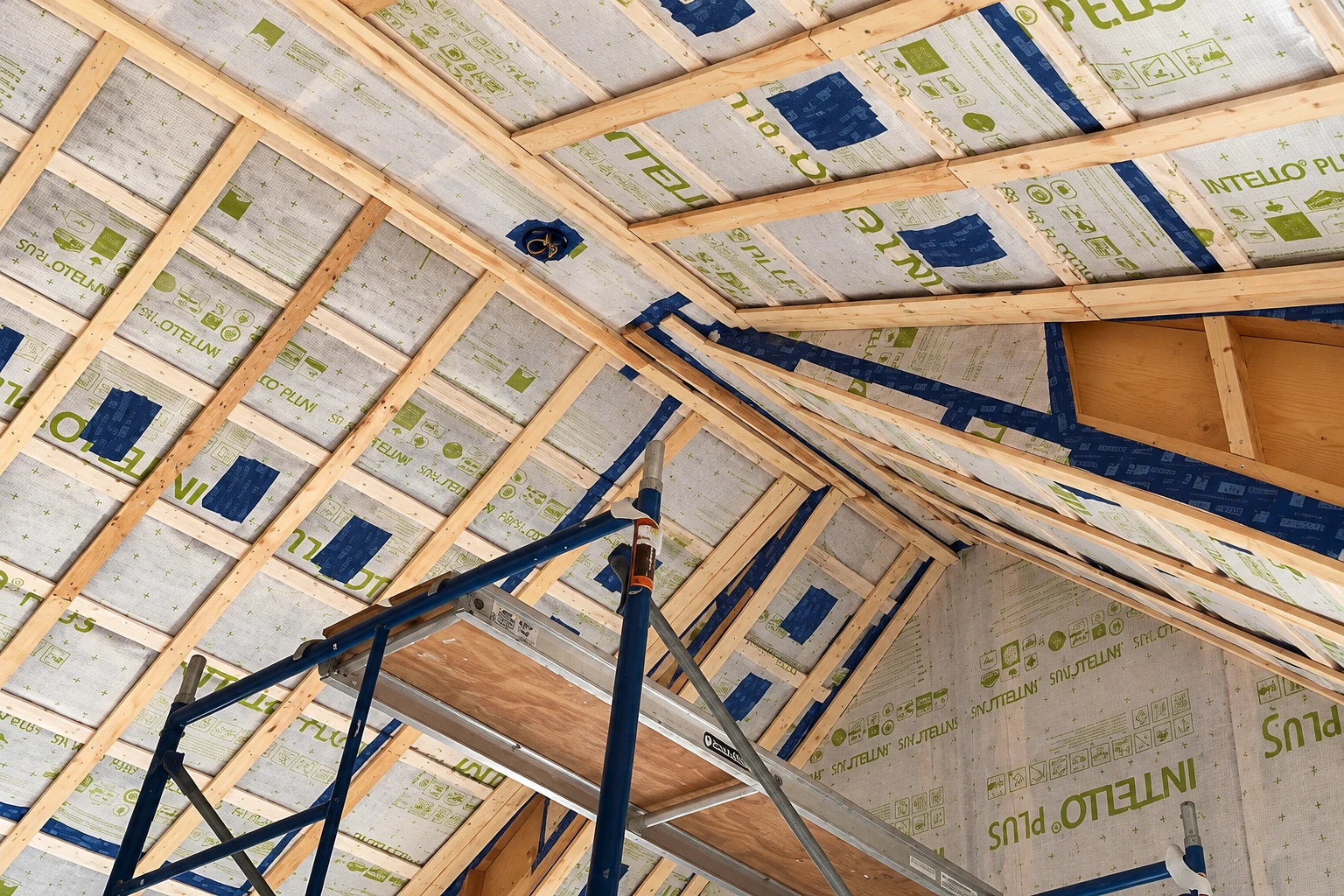
Shops and work bays
A metal shop that's an oven in July and an icebox in January is hard on people and tools, and insulation lets the heating and cooling you already pay for hold.
Roof panels that sweat, a shop that bakes in July or a space that echoes? We insulate metal buildings so they're easier to work in.
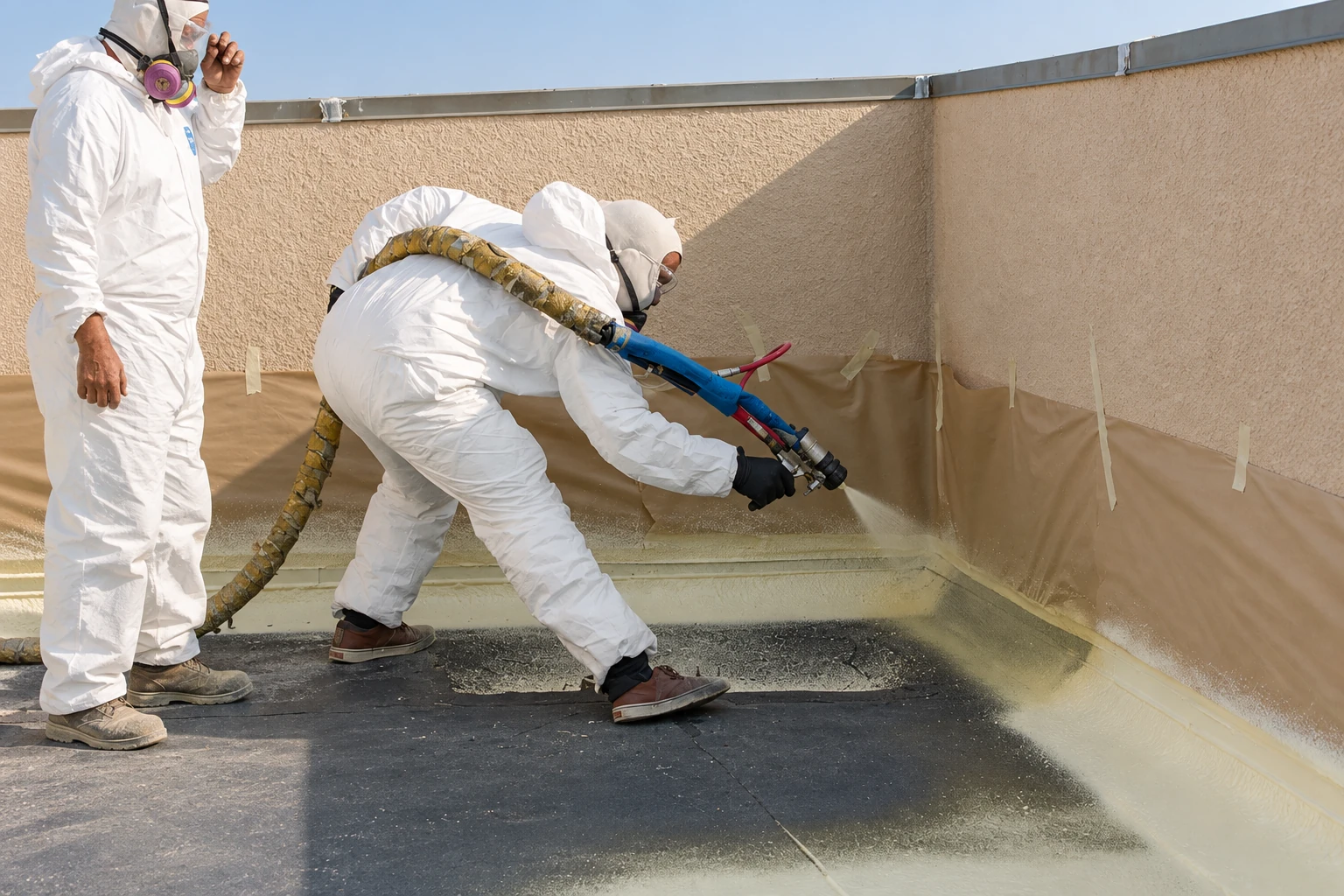
Commercial insulation in Bartlett, TN, slows the heat a metal building loses in winter and gains in summer, helps control the condensation that forms on the steel, and quiets the space inside, all in one job.
Most of the calls I get for this work come from business owners and property managers holding two or three bids that look alike on paper and wondering which one to trust. The price mostly moves with the size of the roof and walls, whether old or wet insulation has to come out first, the facing you choose and how easy the building is to work in. The schedule usually turns on any electrical or mechanical work and the inspections that go with it. I come out myself to look the building over and write the estimate, so the figure you get is for your building. We're licensed and insured, and before work starts we check with the city about what your job calls for and take care of any permit that's ours to handle.
I look the building over and write the estimate myself, and I lead the crew that does the work, so the person who planned your job is the one standing in it.
We're best known for checking a building over first, because insulation laid over a roof leak, a damp spot or old wiring only hides the problem until it shows up worse.
If a job isn't worth the money, I'd rather tell you so than sell it to you, and every owner, manager and tenant gets the same courtesy on the phone and on site.
I start by walking the building with you, looking at the roof panels, walls, framing and any insulation already up, and checking for leaks, damp spots and anything that has met storm water, since new insulation won't fix what's underneath it. If you're weighing other bids, we go through them together and compare how each crew plans to fit the insulation around the framing and fasteners, not just the number printed on the roll. Before we start, I show you the label on the product going in, which on certified fiberglass metal building insulation carries the maker's name, the NAIMA 202-96 mark and the R-value, so you know exactly what you're paying for. We set the schedule around any other trades and the inspections the job needs, and then our crew installs the insulation, keeps the facing neat at the framing and cleans up before we leave.
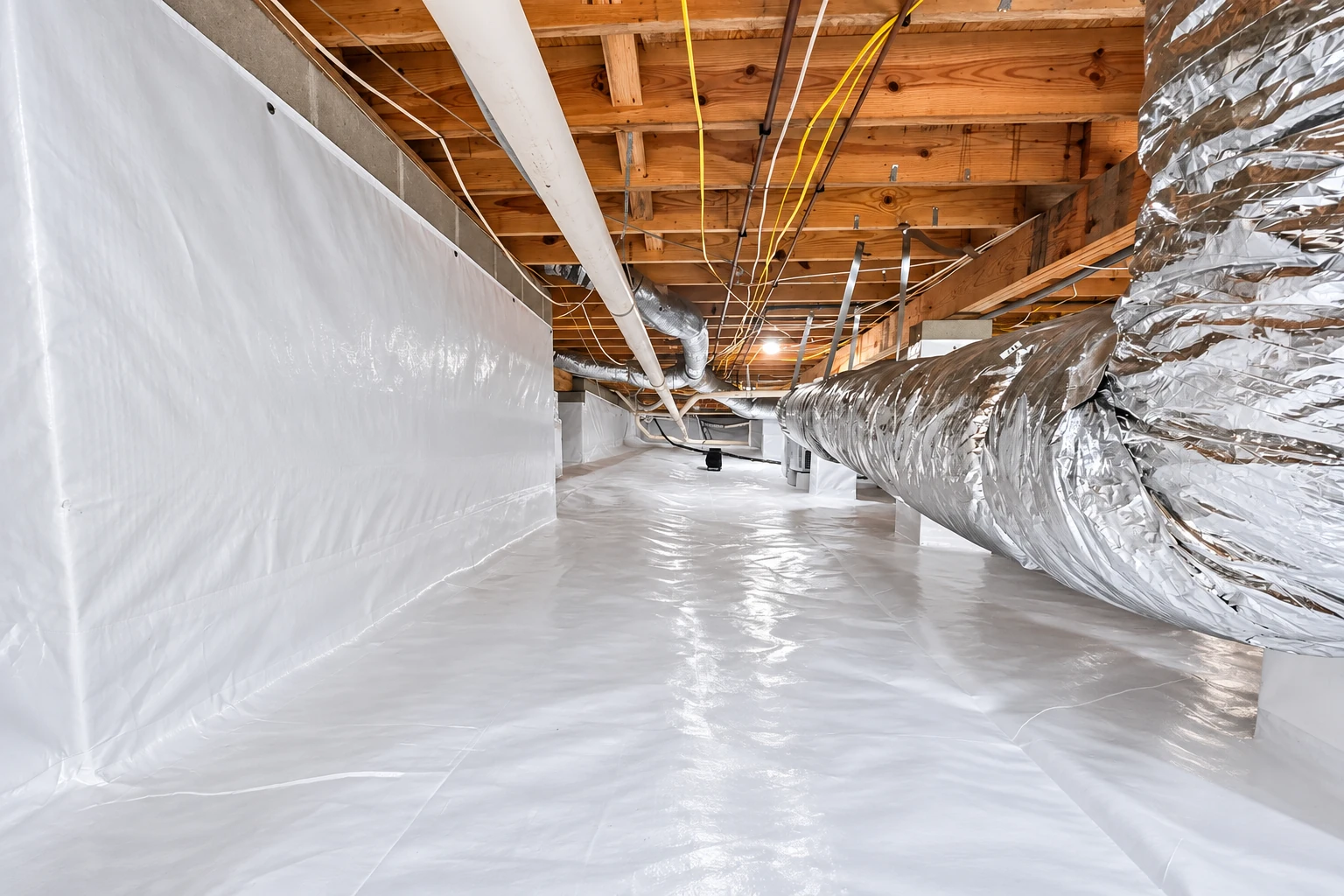
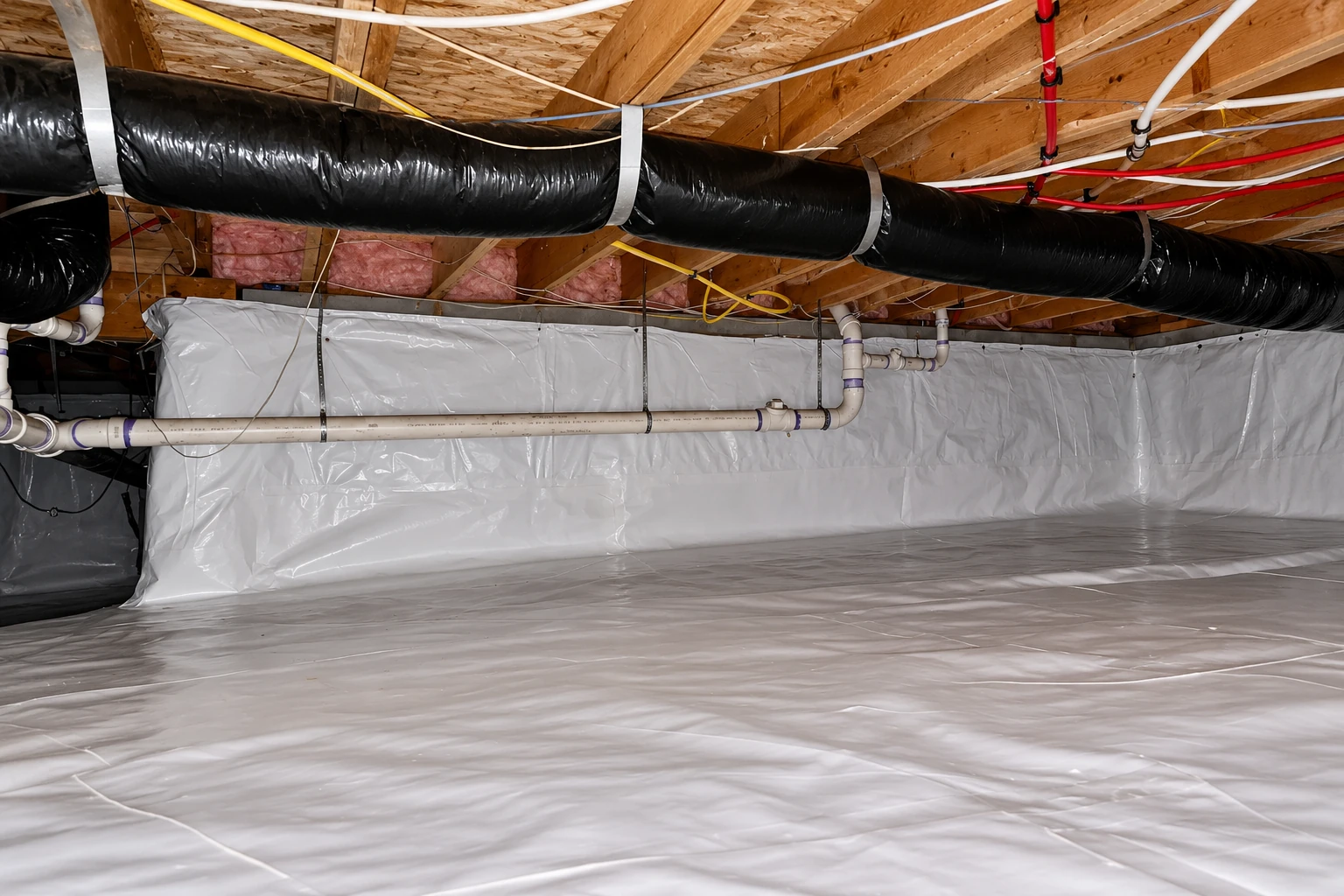
Moisture is the other half of most metal building jobs. Where a building sits over a crawl space, a crawl space vapor barrier keeps damp ground from feeding moisture up into it, and vapor barrier installation on walls and ceilings helps keep moist air away from cold steel. When a job turns up wiring, gas or heating and cooling work, we bring in a licensed contractor in that trade for that part.
A metal shop that's an oven in July and an icebox in January is hard on people and tools, and insulation lets the heating and cooling you already pay for hold.
Stored goods don't do well under drips, so in a warehouse we pay close attention to sweating roof panels and to any old insulation that has been wet before anything new goes up.
Where people sit at desks or customers walk in, comfort and quiet matter most, so we talk through the facing you'll see overhead and how the finished ceiling will look.
Property managers with buildings across the Memphis area, including over the line in Mississippi and Arkansas, call us for plain answers and tidy work, and we work out timing around your tenants with you.
Send the form and we'll reply within one business day to set a time. I'll come out, look your building over and write the estimate there, free and with no obligation.
Tell us what the building is used for and roughly how large the roof and wall areas are, so I arrive ready to talk about the right product and facing for it.
Mention any leaks or storm water that has reached the insulation, so I know to look closely at those spots on the walk-through before we talk about anything new.
If electrical or mechanical work is planned, tell us up front, because it changes the order of work and brings in licensed contractors for those parts of the job.
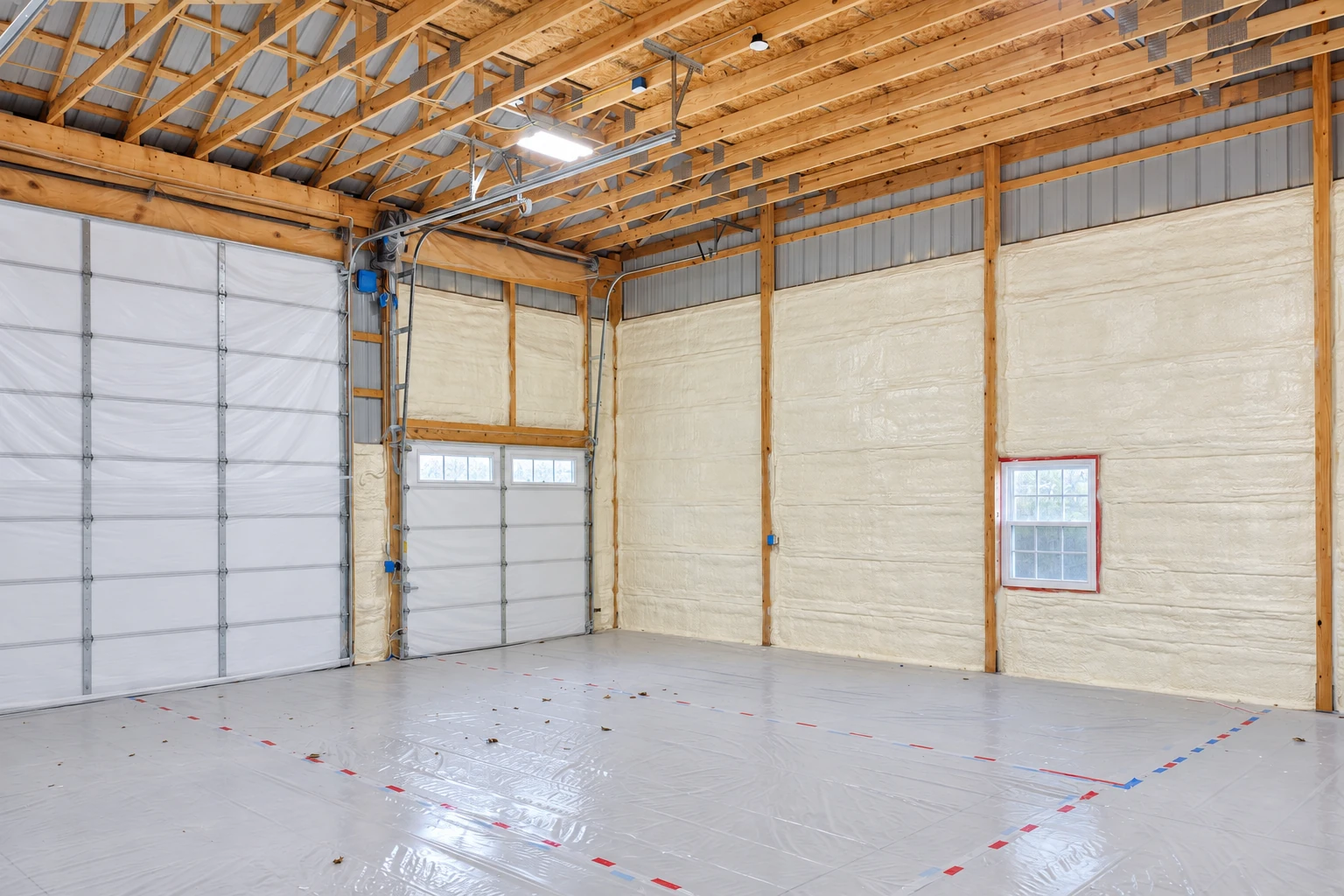
These photos show facings, roof and wall layouts and finished ceilings that are worth talking over when I come out to see your building.
These are the questions owners and property managers in Bartlett ask most when they're weighing insulation bids for a metal building.
It may need one, and the city's Code Enforcement office is the place to ask. The city requires a permit for any alteration or repair to a building, but its list of examples names siding, not insulation. We check with the city before work starts and take care of any permit that's ours to handle.
The printed R-value, which tells you how well insulation slows heat, covers the insulation alone. It leaves out the facing, the insulation squeezed thin at the framing and heat carried through metal fasteners, so how a crew installs it matters. If a bid uses faced insulation, ask for test results on that facing and adhesive, since the faced product has to be tested that way to meet the building code.
Yes, insulating a metal building greatly reduces noise from both outside and inside. It keeps outside sound from coming through the roof and walls, and it soaks up the echo bouncing around the space, which is why some owners insulate for quiet alone. If noise is your main complaint, tell me on the walk-through so we plan around it.
The city makes inspections the next day once they're called in, and only the person who pulled the permit can call one in, so when the permit is ours, we make those calls. If plumbing, electrical, mechanical or gas work is part of the job, each needs its own permit from a licensed contractor in that trade, so the schedule may involve more than one contractor.
Plan on dealing with it as part of the job, because industry guidance for metal buildings includes recommendations on replacing insulation that has had contact with storm water. I'd much rather find wet insulation on the walk-through than lay new material over it and hide the problem. The same guidance covers vapor retarders, and I'll show you how our plan handles them.
We answer the phone from early morning until 11 at night, seven days a week, so call (901) 295-2959 whenever your schedule allows.