
A musty smell inside the house
Air from the crawl space drifts up into the rooms above, so damp dirt underneath often shows up as a stale smell in the house, and covering the ground cuts down that source.
Musty smell or damp dirt under the house? We look for water problems first, then lay a liner that covers the whole floor.
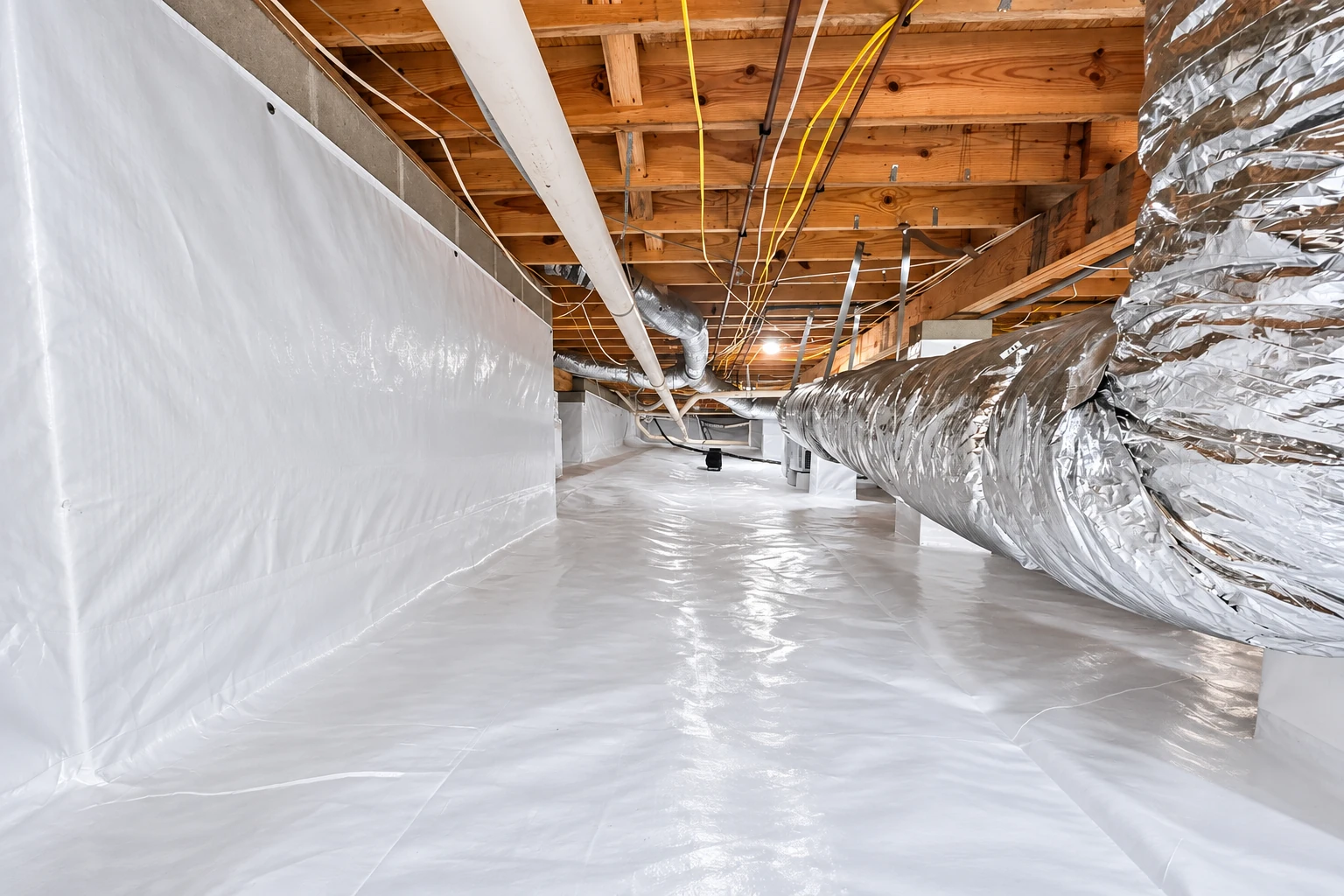
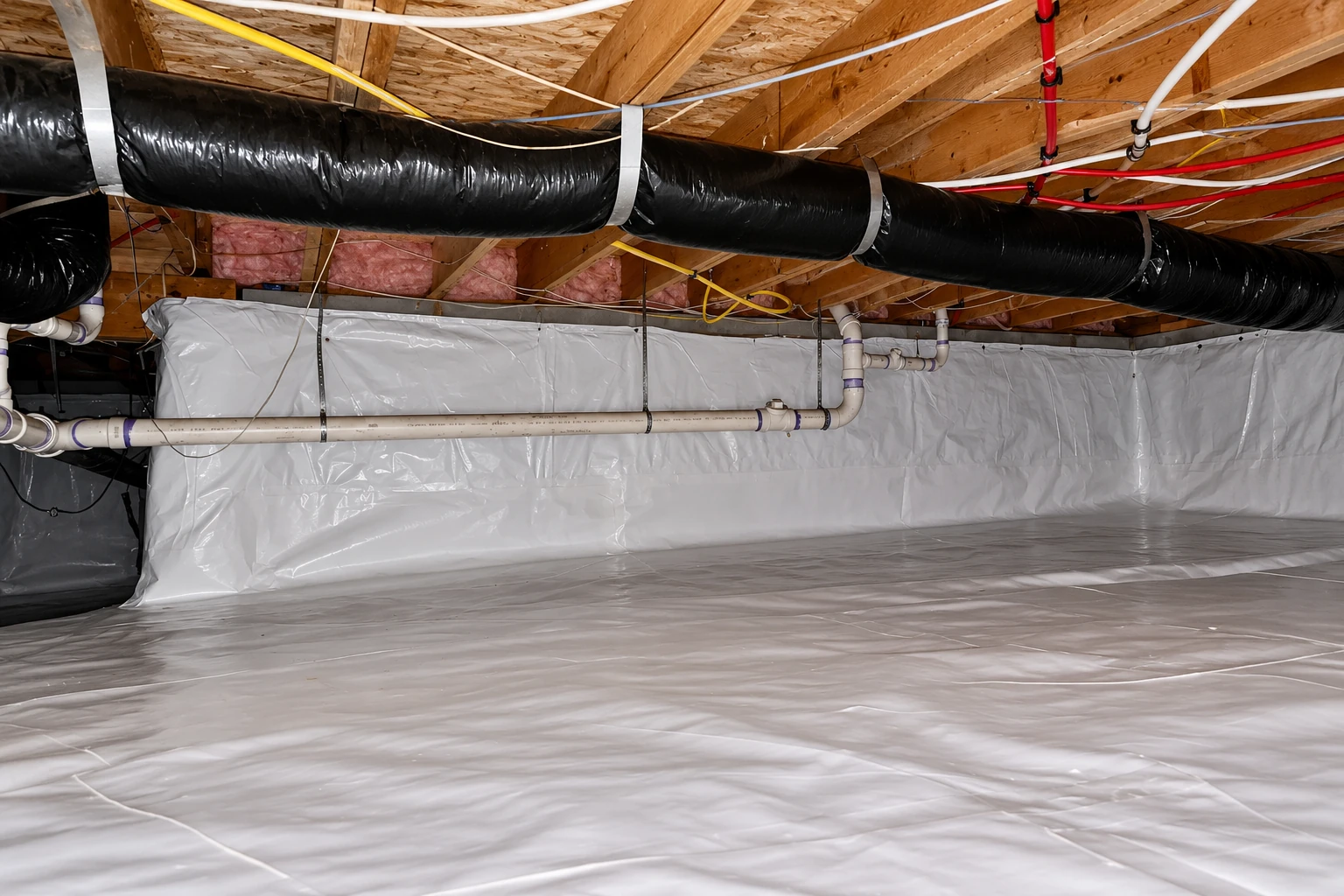
A crawl space vapor barrier is a heavy polyethylene plastic sheet laid over the dirt under your house and run up the walls and piers, and a well-installed one helps hold back ground moisture and soil gases like radon. Comfort Bartlett Insulation Company puts them down in Bartlett and the cities around it, once any water problem underneath has been dealt with.
Most calls start after a plumber or HVAC tech comes out of the crawl space and mentions wet dirt and sweating ducts down there. The price turns on the size of the crawl space, how heavy a liner the paths to your equipment need, and whether you want a floor liner with the vents left as they are or a fully sealed crawl space with a drying system. The schedule turns mostly on water, because any grading or drainage fix comes before the liner, and on any equipment work a sealed crawl space adds. I measure all of that on site, and the estimate gives you the figure for your house.
I look your crawl space over myself and write the estimate, and I lead the crew that lays the liner, so the person who saw the problem is there fixing it.
If your crawl space doesn't need a liner, or needs something else first, I'll tell you so plainly, because I'd rather lose a sale than sell you work your house doesn't need.
We're licensed and insured, and when a sealed crawl space needs a dehumidifier wired in or gas appliances checked, we bring in a licensed contractor in that trade for that part.
I start by crawling the space with a light, looking for standing water, wet framing, pest damage and anything else a liner would only cover up, because plastic laid over a problem just hides it. If water runs into your crawl space, I'll tell you so and point to the grading or drainage that needs fixing before a liner goes down, since a sheet on the ground does nothing about water coming in from the yard. Once it's dry enough to work, our crew clears out debris and sharp rocks, rolls the liner across the whole floor, laps every seam and runs the sheet up the walls and piers, fastening it where the walls allow. Where someone has to crawl to reach a furnace, ductwork or a water heater, I suggest a tougher, reinforced liner along those paths, because thin plastic gets torn under knees and tools.
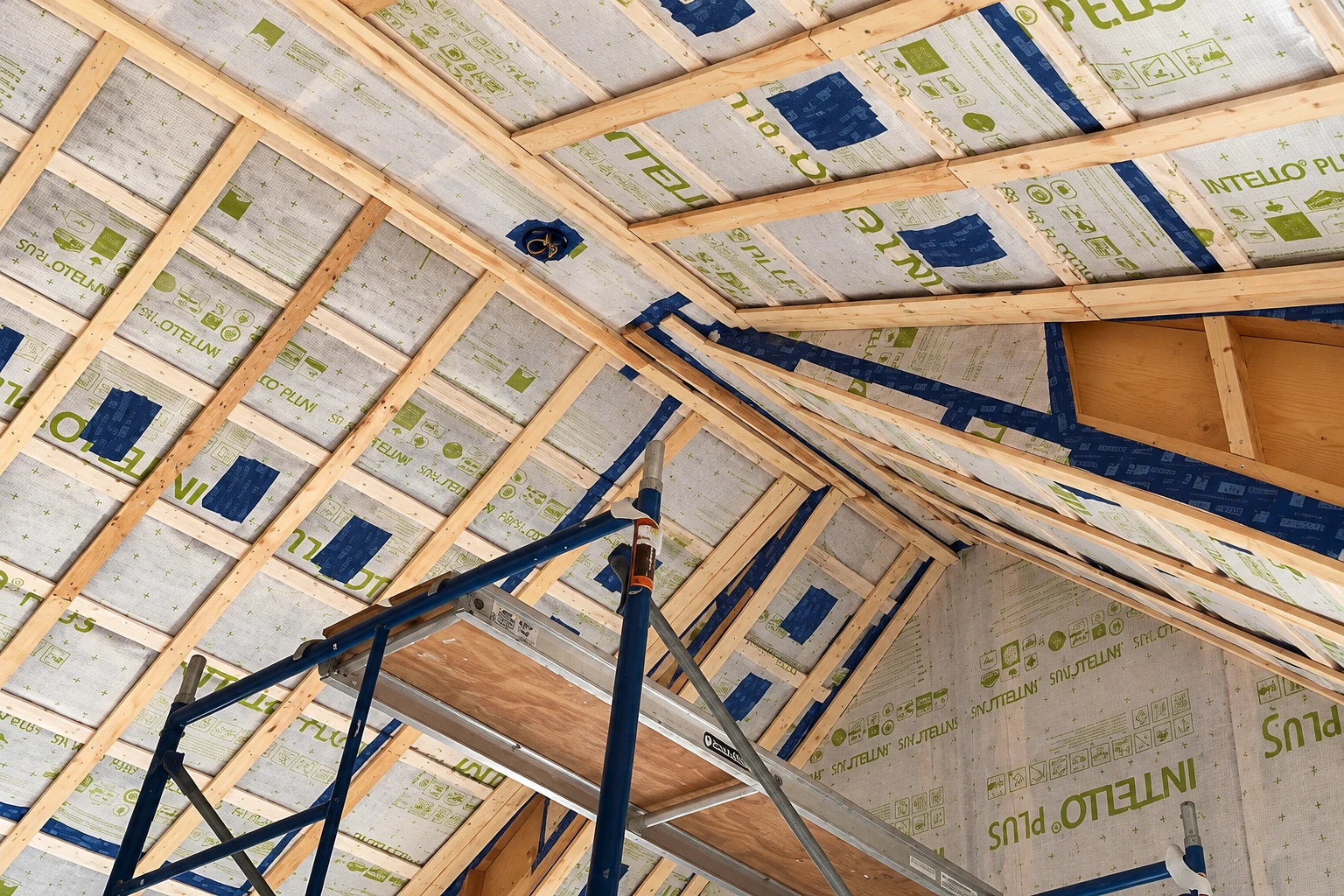
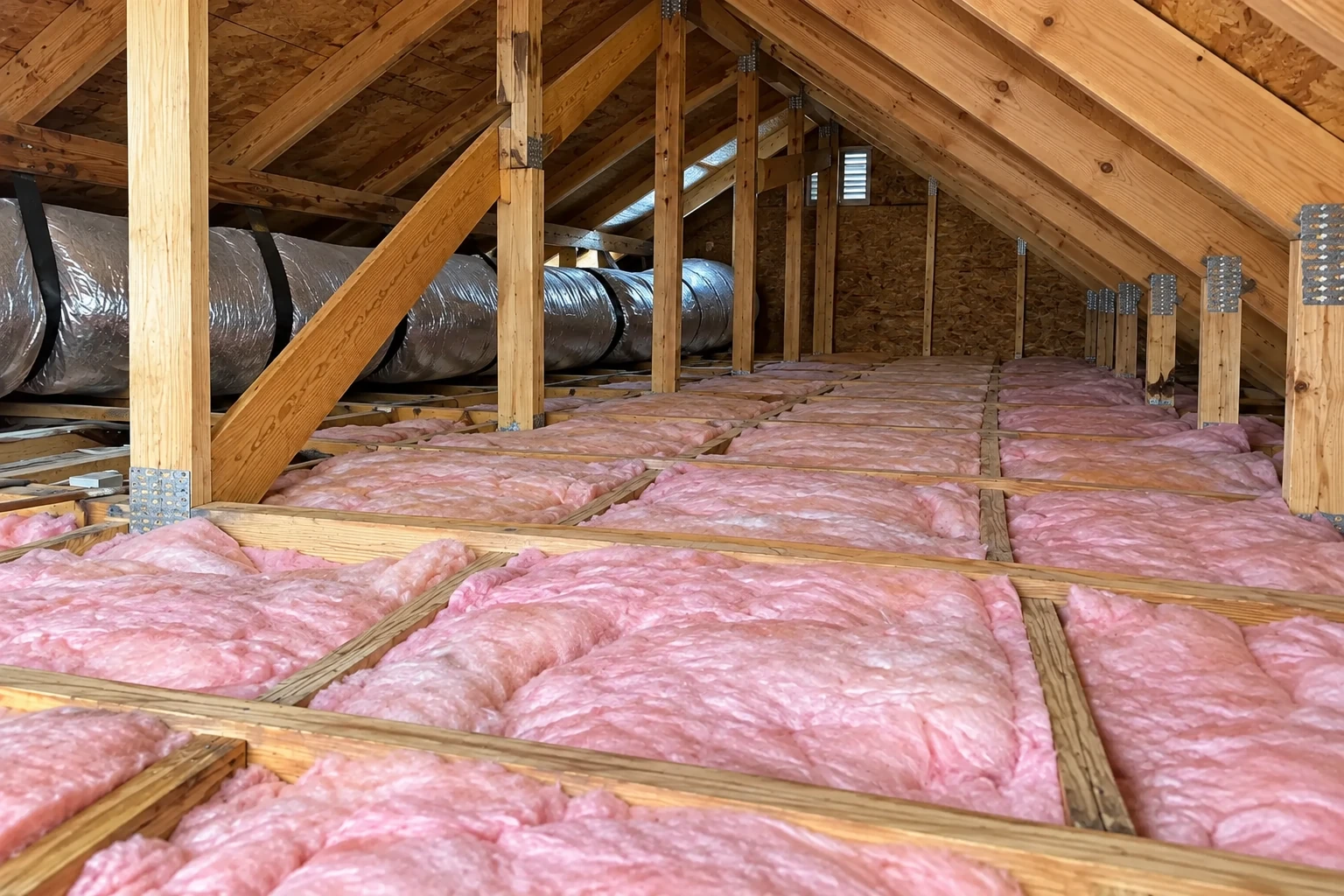
A crawl space liner is one part of our vapor barrier installation work, which brings the same kind of moisture control to other parts of the house. If the house also feels drafty or the upstairs runs hot, look at the top of the house too, because air leaking out through the attic pulls crawl space air up into your rooms, and attic air sealing, closing the gaps around lights, pipes and the hatch, slows that pull.
Air from the crawl space drifts up into the rooms above, so damp dirt underneath often shows up as a stale smell in the house, and covering the ground cuts down that source.
A liner that's been pulled loose, torn on a repair visit or left with bare dirt at the edges isn't doing much, so we patch it or replace it and close the gaps.
Landlords and property managers call us for plain answers and tidy work, and a covered floor gives plumbers and HVAC techs a cleaner place to work on later service calls.
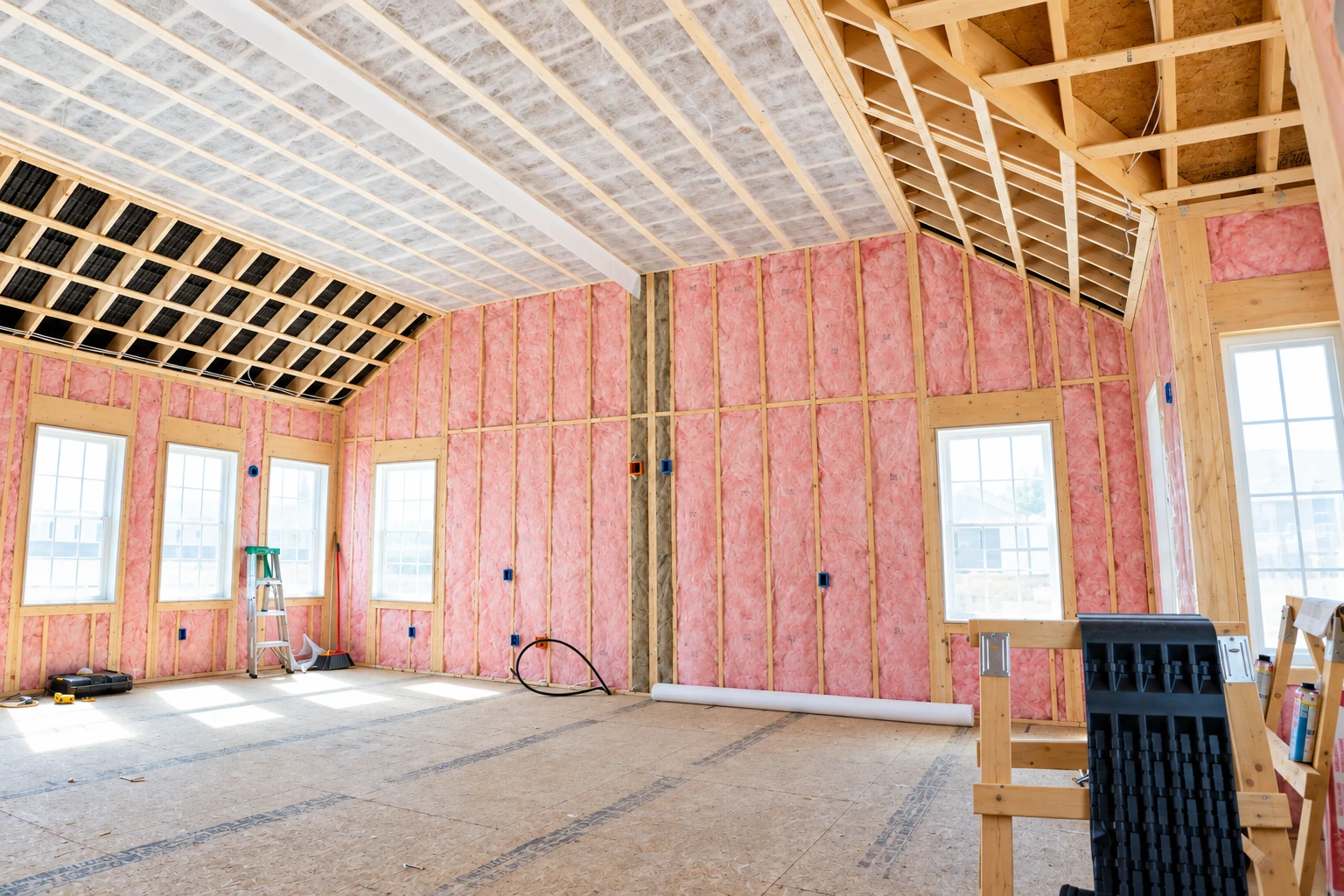
We work in order, moisture first and insulation after, because insulation laid over a damp crawl space only hides the problem, so a liner usually comes before any floor insulation.
Send the form or call, and we'll reply within one business day to set a time. I come out myself, look the crawl space over and write your free estimate, with no obligation to go ahead.
A rough square footage, even paced off around the outside of the house, helps me plan the visit, since the size of the floor is the biggest part of the price.
Tell us if you've seen puddles or wet dirt down there after rain, because water running in needs grading or drainage work first, and that changes both the plan and the schedule.
Let us know about ductwork, a furnace or a water heater under the house, and any pest warranty, so I can plan the service paths and you can check with your pest company.
These example photos show liner weights, seams lapped up walls and piers, and sealed crawl space layouts we can talk through at your estimate.
Here are the questions Bartlett homeowners and landlords often ask about crawl space liners, sealing, cost, permits and gas appliances.
It helps with moisture rising from the ground, but it won't stop water running in. In a vented crawl space, the main source of moisture is water from poor grading, missing drainage around the foundation or poor irrigation. That's why I look for water before any liner goes down, as I described above.
Across the US, a basic plastic vapor barrier over the dirt floor only usually costs about $0.50 to $1.50 per square foot, which is a national figure, not our price. A reinforced liner, sheeting up the walls or a sealed crawl space with a drying system costs more. Your estimate gives the figure for your house, and our work is satisfaction guaranteed.
We check with the city before work starts. Bartlett's Code Enforcement Department reviews and permits projects in the city, and its list names water heaters, HVAC systems, electrical work and siding, but not vapor barriers. A dehumidifier or conditioned air supply brings in HVAC or electrical work, and a licensed contractor must pull those permits. You can ask Code Enforcement at 901-385-6425.
Sealing can do more for moisture, but it's the bigger job. Guidance says that in temperate, humid climates a properly closed crawl space can control moisture much better than a vented one, and its recommended designs include a dehumidifier or conditioned air supply that has to run. I lean toward sealing when ductwork lives down there, and a floor liner alone when it doesn't.
It can be, but the appliance should be tested afterward. Guidance calls for a combustion safety test after sealing a crawl space that holds a natural draft water heater or furnace, the kind that vents without a fan, to check for exhaust back-drafting or spilling out. Because that's gas and heating work, we bring in a licensed contractor in that trade for that part.
It can, so check with your pest control company before we start. Closed crawl space guidance advises coordinating with your pest professional so the system doesn't interfere with their treatment or affect their warranty. Tell me who treats the house when we set up the estimate, and we'll work out the plan with that in mind.
Call (901) 295-2959 any day until 11 PM or send the form, and tell us what you saw with a flashlight under the house.