
Spray foam insulation
Spray foam fills and seals in one pass, which earns its higher cost where ductwork runs through the attic or a room over the garage won't stay comfortable.
Comfort Bartlett Insulation Company insulates attics, walls and crawl spaces in Southaven, MS. We look your house over first, deal with anything that would spoil new insulation, then seal the gaps and add what the house actually needs.
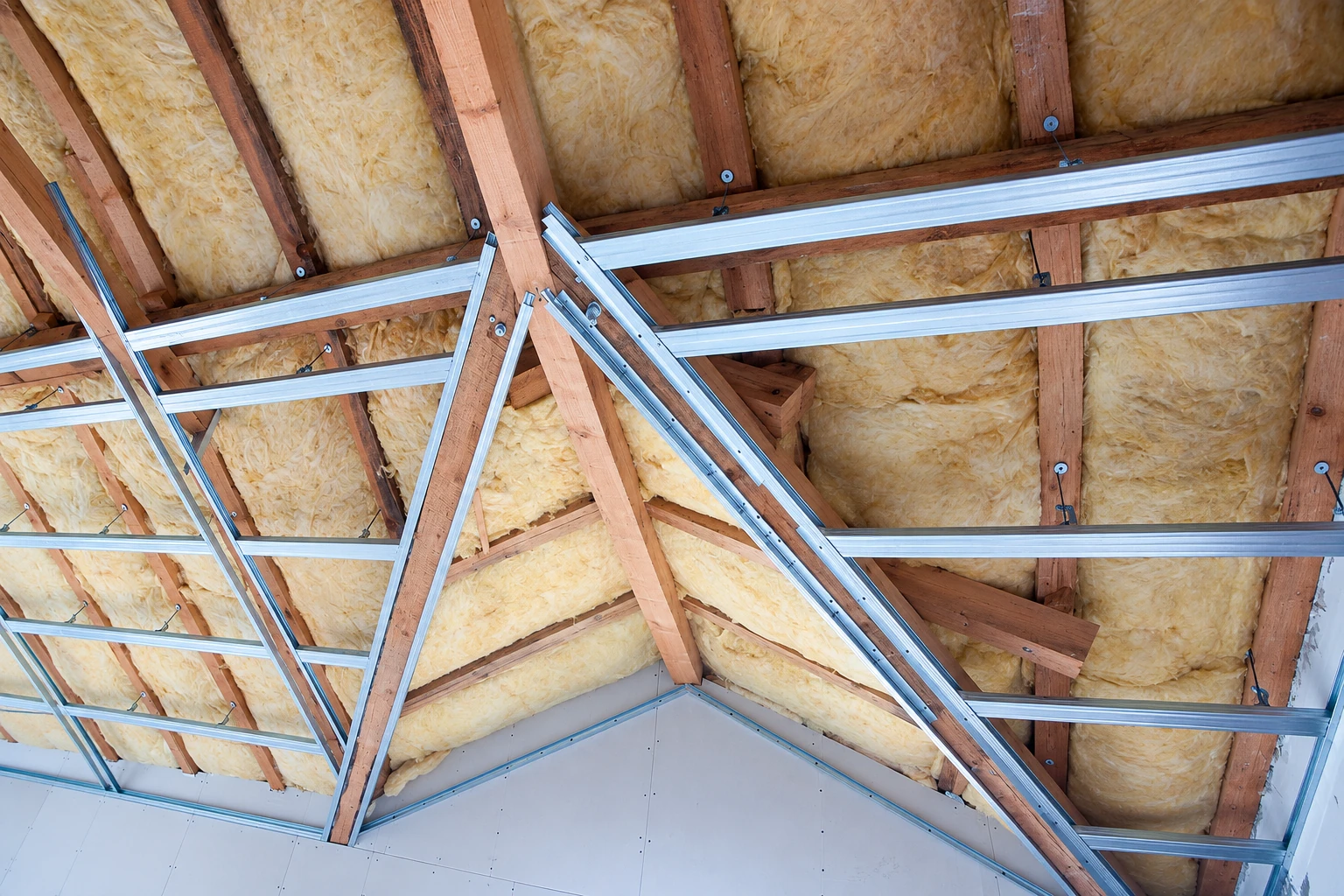
We're an insulation contractor based in Bartlett, TN, and Southaven is one of the cities across the state line where we do the same work we do in Lakeland and Olive Branch. The price of a job turns on how much insulation is already up there and what shape it's in, whether old material has to come out, how many gaps need sealing first and whether foam or loose fill is the right call. The schedule turns on the same things, plus how easy the attic or crawl space is to get into and whether part of the job needs a licensed electrician or HVAC contractor. I'll give you your own figure once I've been up there and looked.
Most Southaven houses we work in have an attic over the main floor, and plenty have a room over the garage that stays hot upstairs while the rest of the house is fine. Some sit on a crawl space, which is usually where cold floors start. In houses like these, where the air gets through around the hatch, the can lights and the garage room usually decides the job more than how deep the insulation is.
I come out to look at the job and write the estimate, and then I lead the crew that does the work, so the person who priced your job is there doing it.
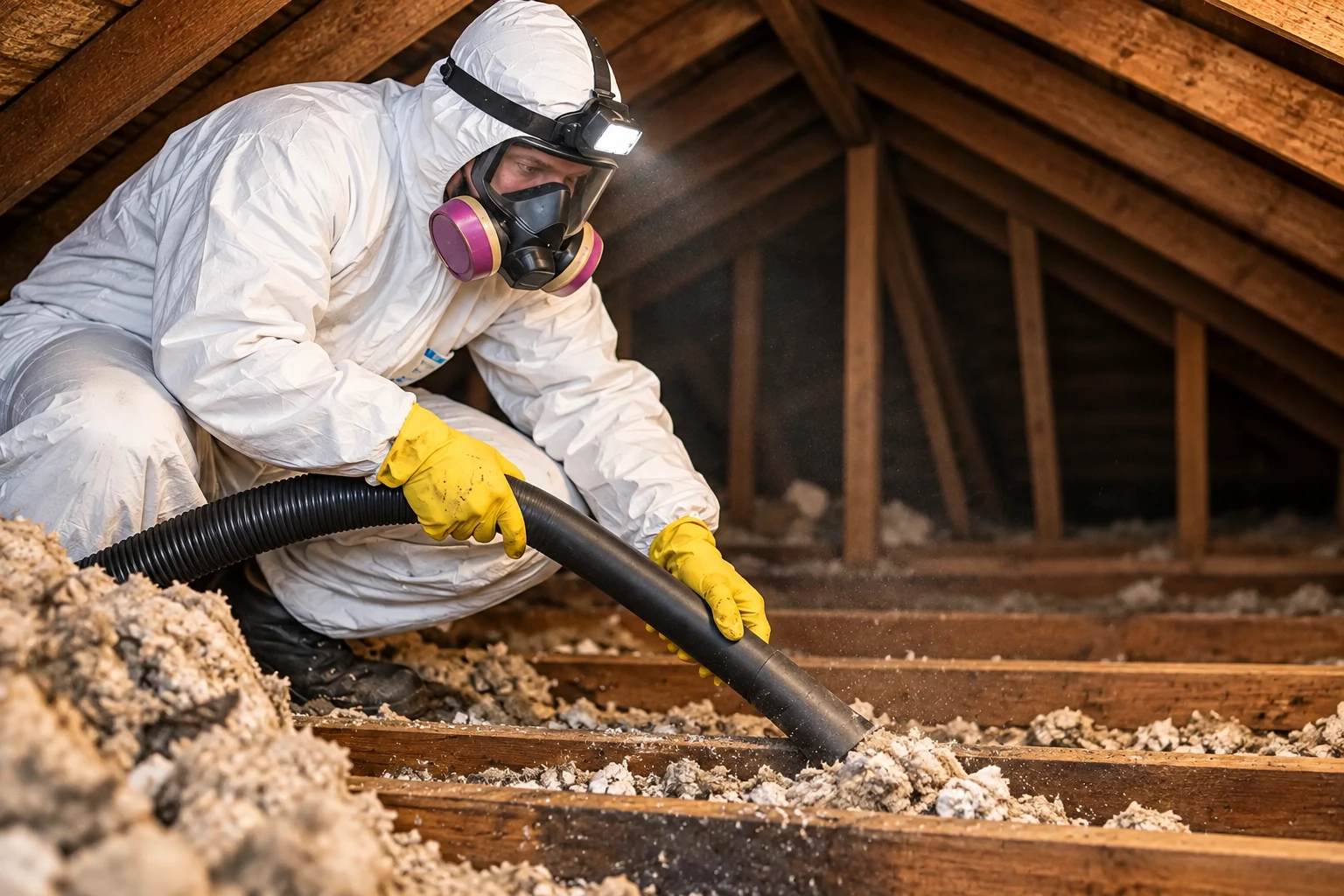
If the old insulation is soaked or full of droppings, we remove it first, because new material laid over it only hides the problem and leaves it in your attic.
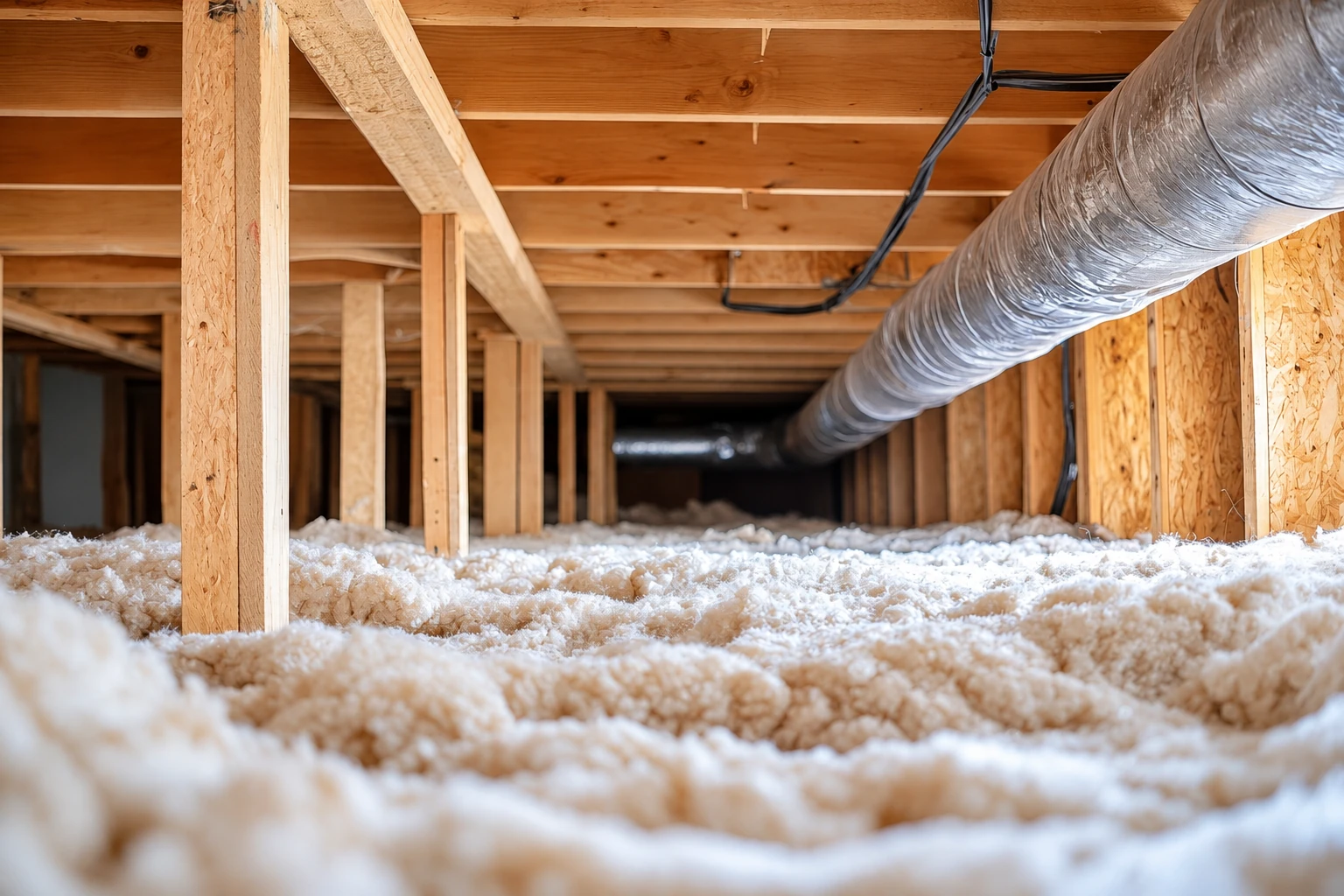
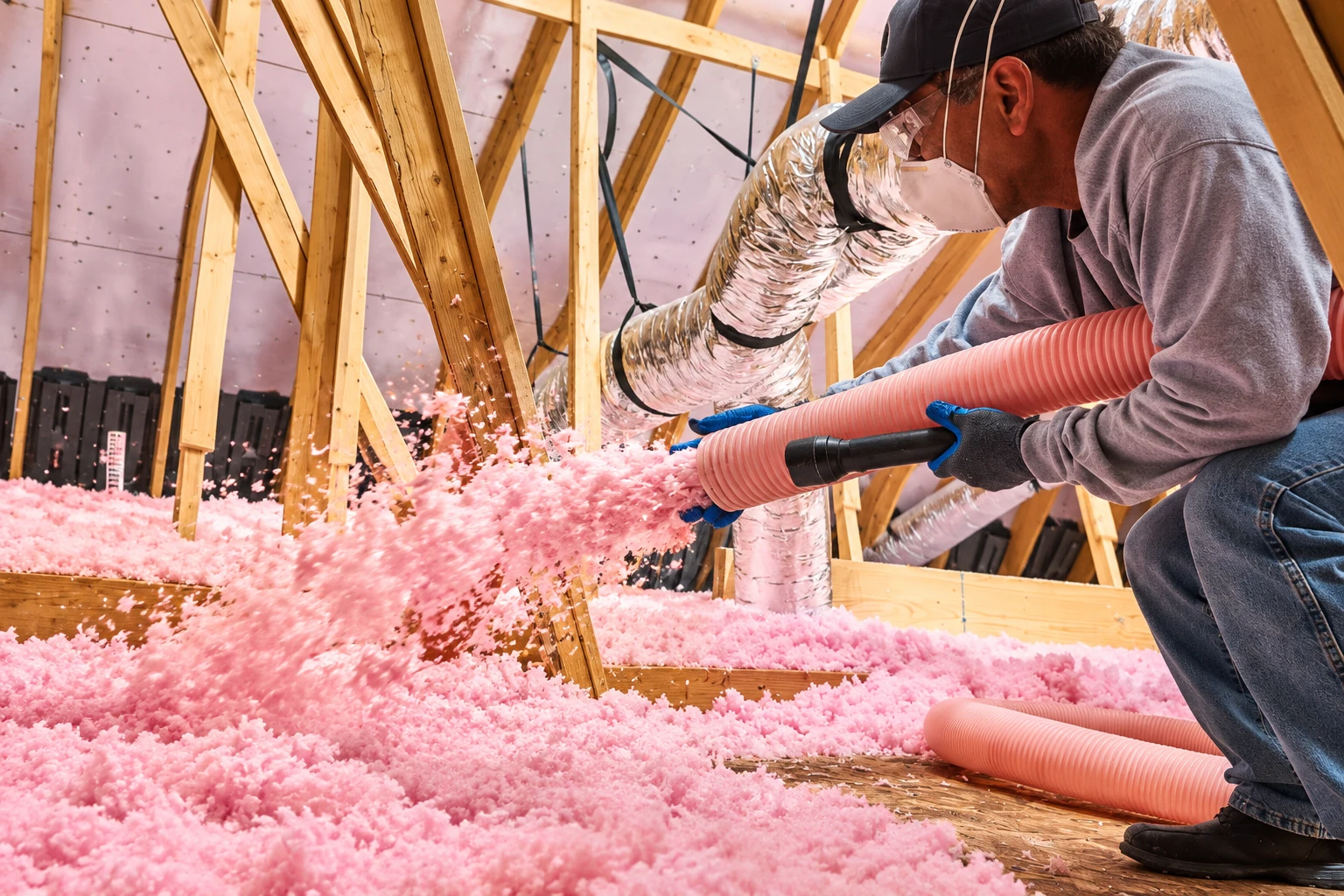
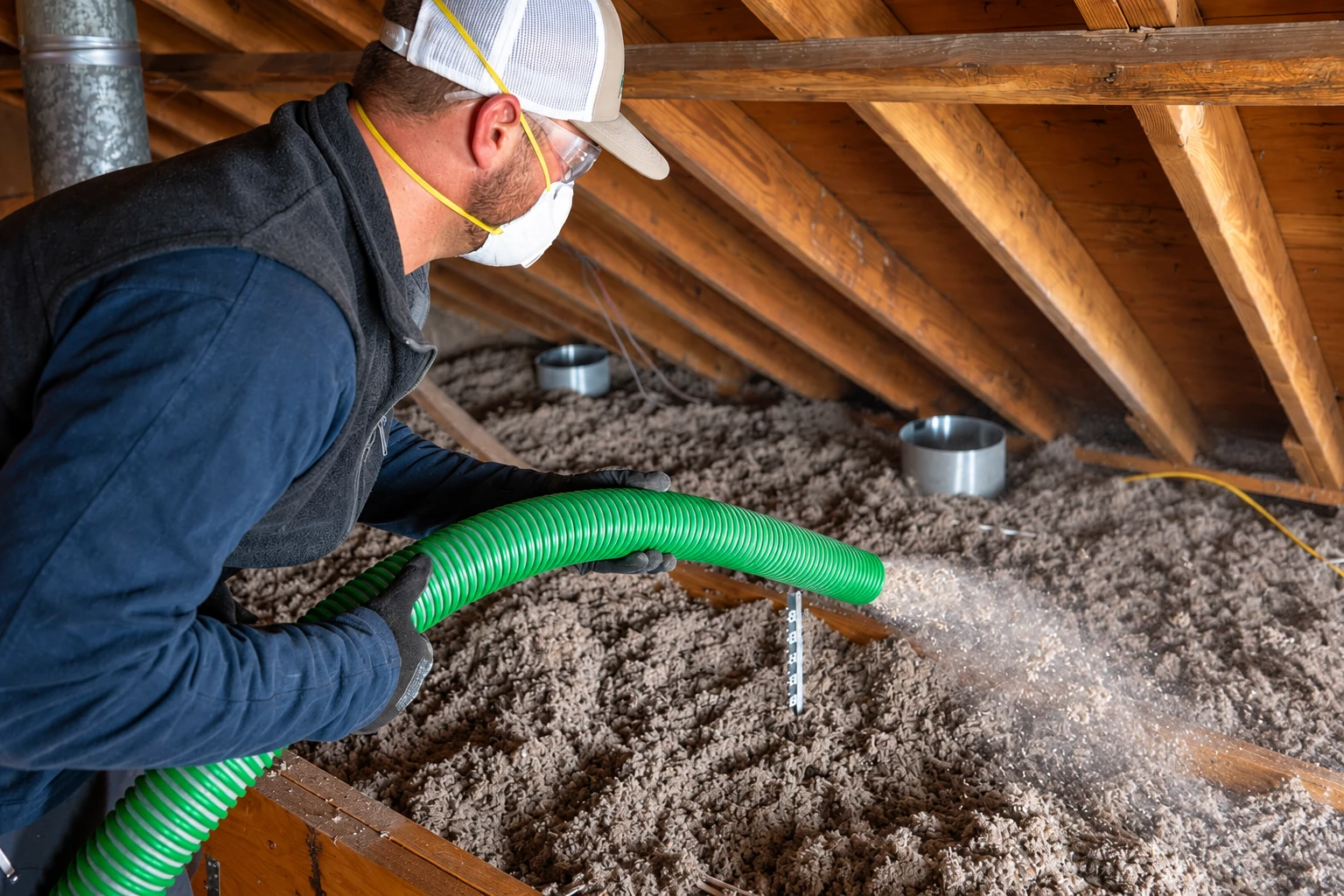
Foam costs more and seals air while it insulates. For most attics, sealing the gaps and topping up blown-in insulation, loose fill we blow through a hose, does the job unless your ductwork runs up there.
Spray foam fills and seals in one pass, which earns its higher cost where ductwork runs through the attic or a room over the garage won't stay comfortable.
We check how many inches are already up there and what shape they're in, then bring coverage to full depth all the way out to the edges, where attics usually run thin.
Loose fill settles into the corners batts tend to miss, and we keep baffles at the eaves so the vents stay open and the attic keeps breathing.
We look at the attic, walls and crawl space together, so your money goes where the house actually loses heat instead of where it's easiest to add more.
When old insulation is wet, matted or full of droppings, we vacuum it out and bag it before anything new goes in, because covering it only hides the problem.
Cold floors over a crawl space usually mean the insulation underneath has sagged or fallen. We check for damp first, then fit insulation that stays put against the floor.
For drafty exterior walls, we fill the empty cavities with little patching afterward, and we check first for old wiring that shouldn't be buried in insulation.
We close the gaps around pipes, wires, outlets and ductwork through the house before insulating, so the new insulation isn't fighting a steady draft.
Basement walls and the band of framing on top of them lose more heat than most people expect, and we insulate them so moisture doesn't get trapped behind the material.
Closed-cell foam is dense and blocks moisture as well as air, which makes it the right choice for crawl space walls and other spots that see moisture.
Open-cell foam is softer and lighter, and it costs less than closed-cell. It works well under a roof deck or inside walls that stay dry.
Landlords, property managers and business owners get the same order of work, a look at the building first and then sealing and insulation, scheduled around the people using it.
A heavy plastic sheet over the crawl space dirt keeps ground moisture from rising into the floor framing, and we lap and seal the seams so it stays in place.
We put a vapor barrier on the side of the wall or floor where it belongs, because one in the wrong spot traps moisture instead of stopping it.
We seal the attic floor from above, around the hatch, the can lights and where wires come up through the ceiling, so cooled air stops drifting into the attic.
For finished homes, we add insulation where it's missing without tearing out walls or ceilings, working from the attic, the crawl space or small access holes.
Send the form or call, and we'll reply within one business day to set a time. I'll come out, look the house over and write your estimate, with no obligation to go ahead.
A hot room upstairs, cold floors, a high power bill or droppings in the attic each point somewhere different, so a line about it helps me plan the visit.
I measure the inches already in the attic and look for leaks, damp spots and buried vents, because those decide what your house needs before anything is added.
If more insulation won't pay off in your house, I'll tell you so, because I'd rather say that than sell you work your house doesn't need.
These are the questions Southaven homeowners ask about permits, inspections and licensed trades before an insulation job gets started.
We find out before we start by checking your job with the Southaven Department of Building, because the city's permit rules name renovations, alterations and additions rather than insulation by itself. Each of those needs a permit before work begins, and when your job calls for one, we take care of the permit and inspection that's ours to handle.
The city can issue a summons for construction or trade work done without a permit, along with any added penalty fees. That's one reason we settle the permit question before anyone climbs into your attic, rather than finding out after the work is closed up.
A Southaven permit is void if the first inspection isn't done within 6 months or the final inspections within 1 year, and penalties apply after that. When one of our jobs carries a permit, the inspections that are ours are part of what we handle, so you aren't the one watching the dates.
Yes. To pull a residential construction permit, a contractor registers with the department, which takes a copy of an active Mississippi state contractor's license and a $10,000 surety bond made out to the city. Electrical, plumbing and HVAC subcontractors need a state license in their own trade, so when a job turns up wiring, gas or heating and cooling work, we bring in a licensed contractor for that part.
These are the cities with their own page on our site, and we work in others across the Memphis area too. If yours isn't listed, call or send the form and ask.
We take calls into the evening, seven days a week, so call (901) 295-2959 or send the form whenever it suits you.